On this page

A Boxer dog is often described as an exuberant family companion, but the appeal goes beyond the expressive face. Boxers are athletic, powerful and unusually enthusiastic about joining the household routine. Their energy and size make early manners essential, especially around small children or visitors.
Boxer Dog at a glance
| Factor | Practical owner expectation |
|---|---|
| Breed type | Athletic working dog |
| Activity | High; playful sessions and consistent training |
| Grooming | Short coat, fairly low maintenance |
| Best suited to | People who enjoy active, interactive routines |
| Plan carefully for | Heat management, jumping behavior, breed-relevant health screening |
Why Boxers need an active household
Short coats can create the impression of an easy-care breed. Coat work may be straightforward, but exercise and impulse control are not optional. Teach calm greetings, settle-on-a-mat behavior and polite lead walking from the beginning. Boxers often enjoy game-based training, but repeated jumping or rough play can become difficult to manage as they grow. Watch for overheating during warm-weather activity; build exercise around conditions and the individual dog.
Boxer-specific health discussions
Before adopting, discuss parent-dog health screening or rescue medical history with a veterinarian. Breed clubs highlight cardiac and orthopedic concerns worth understanding, but a written list of predispositions cannot diagnose an individual dog. Select a veterinarian who can tailor a preventive-care plan.
Boxer Dog compared with similar choices
| Breed | Why owners consider it | Important distinction |
|---|---|---|
| Boxer | Muscular, playful | Needs structured activity |
| Greyhound | Lean sighthound | Sprinting plus downtime |
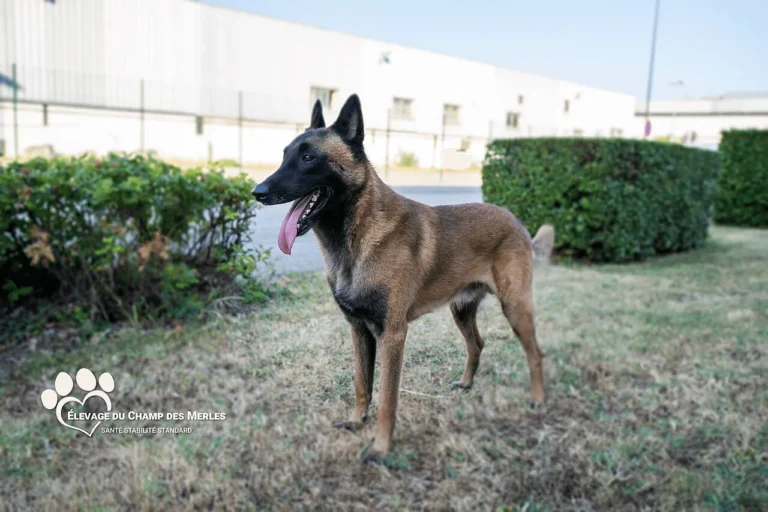
| Belgian Malinois | Highly work-driven | Substantial training and task commitment |
The comparison is intended to show meaningful care differences, not rank one breed as better. If you are deciding between Boxer Dog and another breed, meet adult dogs and ask about individual behavior, living environment and health history. Breed averages cannot predict every dog.
Everyday checklist before adoption
| Area | Questions to answer before bringing the dog home |
|---|---|
| Routine | Can I provide appropriate activity and companionship every day? |
| Training | Do I have a realistic positive-training and socialization plan? |
| Environment | Can I manage temperature, boundaries and rest space? |
| Grooming | Can I maintain the coat or book qualified grooming help? |
| Health | Do I understand health screening, insurance and veterinary costs? |
Choose gear by measurements rather than breed labels. Record chest circumference for a harness, resting length for a bed and usable entry clearance for any house or crate. Product listings can exaggerate usable space when they report outside dimensions.
Practical equipment for this breed
Begin with a reliable identification tag, a correctly fitted walking setup and a comfortable indoor sleeping place. Add weather-specific equipment only when the climate and individual dog warrant it. Review how to choose the right dog bed, the dog house measurement guide and the winter dog equipment checklist for gear decisions. These guides are not evidence that any particular product was tested by ANIMOX.
Before choosing a puppy or rescue dog
Ask a responsible organization about health records, behavior around people and pets, grooming tolerance and the daily routine the dog currently knows. If considering a puppy, ask for documented health screening relevant to the breed; if adopting an adult, prioritize a realistic description of observed behavior. Meet the dog in more than one context where possible and resist choosing solely from social media photographs.
Make greetings a training project from the beginning
A young Boxer’s enthusiasm can be charming when the dog is small and much less convenient when the same greeting involves a powerful adult body. Arrange the doorway before visitors arrive. Give the dog enough distance to practice calm behavior, and explain to guests what response you are teaching. A guest who encourages jumping while the owner asks for four paws on the floor creates an inconsistent lesson.
Practice the routine when nothing exciting is happening. Opening the door, putting down a bag and settling on a mat can become familiar activities rather than a single difficult exercise during a party. Use gates or other suitable management when needed so the dog is not expected to perform a skill it has not learned. For a household with children, adults remain responsible for the training and supervision plan.
Balance activity with the ability to switch off
An active home does not need to make every waking moment exciting. Build an ordinary pattern of outings, short training sessions, play and undisturbed rest. The dog should have somewhere comfortable to settle while people cook, work or watch television. Constantly offering another game whenever the dog approaches can make the routine difficult to sustain.
Keep activities appropriate to the individual dog’s age, condition and weather. A longer session is not automatically a better one. Notice whether the dog can recover comfortably and whether excitement remains manageable afterward. If the household struggles with repeated overarousal, ask a qualified trainer to review the routine instead of assuming that more intense exercise is always the answer.
Think through walks on hot or busy days
Before a warm-weather outing, look at shade, walking surfaces and how easily you can return home. Plan for the conditions rather than using yesterday’s route and distance automatically. A backyard game, a car journey and a crowded outdoor event can each change the dog’s exposure. Suitable indoor alternatives help prevent an owner from feeling that a long outdoor workout is mandatory regardless of conditions.
Traffic and pedestrian space also matter for a muscular dog. Choose walking equipment by actual measurements, practice leash skills away from distractions and give yourself room to manage unexpected encounters. A product labeled for large dogs does not establish that the person holding the lead can use it effectively. Training support is a practical household expense, not an admission that the dog is a poor companion.
Create a home setup that supports a lively body
Look at slippery turning points, narrow passages and the space around furniture. A dog can be athletic while still benefiting from a clear route to its resting area. Keep valued household objects away from places where energetic play is likely, and reserve more vigorous games for an appropriate space. This is easier than repeatedly correcting a dog for colliding with an unsuitable room layout.
Choose a resting surface that supports the dog’s normal posture and can be cleaned easily. A short coat does not make bedding maintenance unnecessary; muddy paws and ordinary shedding still affect covers. Use the dog’s sleeping position to judge size rather than choosing the item whose package features a Boxer photograph. Check whether bolsters leave enough usable room after the dog stretches out.
Ask adoption questions that reveal day-to-day behavior
Useful questions include how the dog reacts to visitors, whether it can rest while people are busy, how it behaves on a lead and what handling it already knows. Ask for examples rather than relying on a description such as fun-loving. A rescue’s observations in a foster home may be especially helpful when planning the transition into a similar environment.
For a puppy, ask what guidance is available as the dog grows and how health records are documented. For an adult, discuss any current care requirements directly with the organization and your veterinarian. A good match includes the practical support the household can arrange, not just affection during one successful meeting. Meet the dog again when possible and involve the people who will share everyday care.
A realistic first-month goal
Aim for a manageable pattern: predictable outings, comfortable rest, clear visitor rules and a walking setup everyone can use. Keep a few notes about what excites the dog and what helps it settle. This is more useful than expecting perfect manners immediately or buying many accessories before understanding the dog. A Boxer can become a rewarding part of family life when its enthusiasm is guided into habits the household can maintain.
Frequently asked questions
Are Boxer dogs good with children?
Many can be affectionate companions, but their strength and enthusiasm require supervision, training and child-dog boundaries.
Do Boxer dogs shed?
Yes, despite their short coats. Brushing and routine coat checks still matter.
Can a Boxer stay outside all day?
Do not assume an outdoor space meets social, temperature or enrichment needs. Plan safe indoor companionship.
Continue reading on ANIMOX
Reference material and editorial verification
This informational guide does not replace individual veterinary or behavioral advice. No hands-on product testing is claimed.
Daily life with this breed
Living well with this breed is mostly about matching expectations to reality. This dog is typically medium-to-large, muscular and is often described as playful, alert and people-oriented. That profile influences how the dog uses space, how much supervision is needed around visitors and what kind of home routine will feel sustainable.
Exercise and enrichment needs
For most adults of this breed, a good plan includes active daily walks, training games and structured play. Puppies, seniors and dogs with medical issues may need modified routines, so it is always better to tailor activity to the individual dog instead of following a generic internet checklist.
Grooming and home care
Owners should plan for short coat, simple weekly brushing. Grooming is not only cosmetic: it is also a chance to check paws, skin, ears and overall comfort. Comfortable bedding, easy access to water and a predictable routine usually matter more than buying large amounts of gear.
Is this breed a good fit for first-time owners?
That depends less on marketing claims and more on the household’s routine. This breed is generally best in homes that can offer companionship, training and heat-aware exercise. If you are unsure, spend time with adult dogs, speak to breed-specific rescues or clubs and compare the realities of training, grooming and veterinary costs.
Useful gear to think about
Instead of shopping by breed label alone, choose equipment by measurement. On ANIMOX, start with guides to the right dog bed, dog house sizing and seasonal dog gear. For active breeds, a correctly fitted walking setup and supportive resting area are often the best first purchases.
Final takeaway
A great match is about the individual dog, your lifestyle and the support plan you can maintain long term. Research the breed, meet real dogs and prepare your home before making a decision.
Photo: Mostafameraji / Wikimedia Commons, CC0. Resized and converted to WebP.