On this page
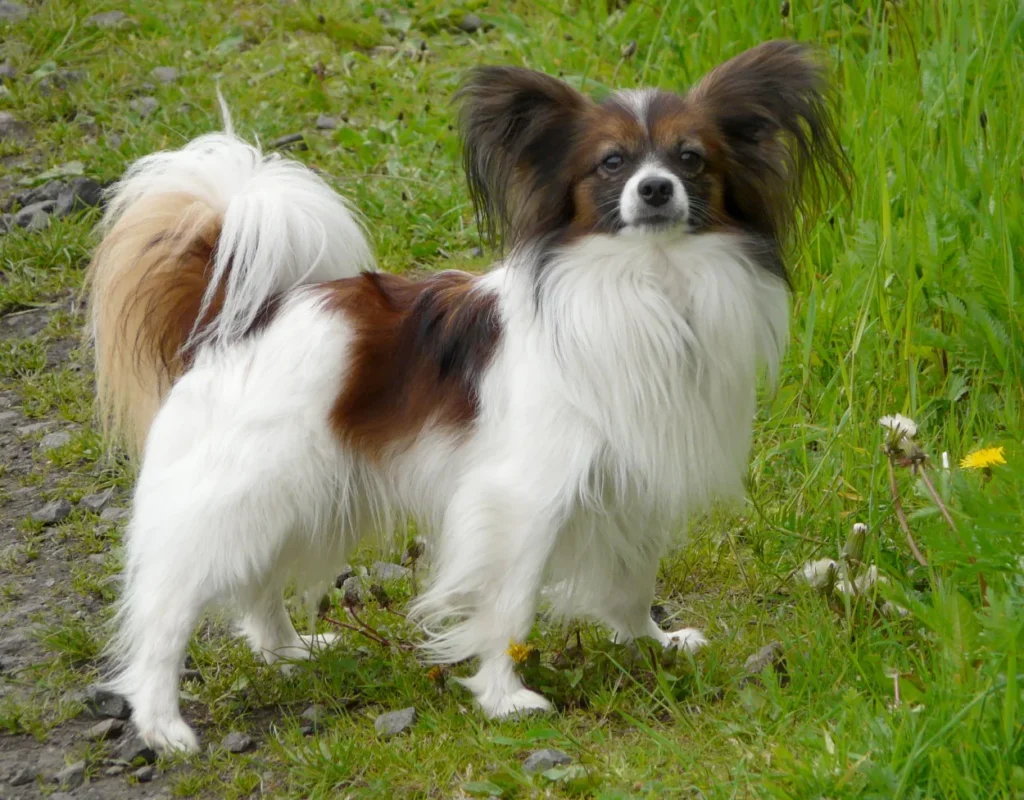
A Papillon dog may look delicate because of its elegant ears and compact size, but many enjoy substantial mental stimulation. This is a small companion with the potential to thrive in training games and agility-like activities when adjusted to the individual dog.
Papillon Dog at a glance
| Factor | Practical owner expectation |
|---|---|
| Breed type | Toy spaniel with high activity potential |
| Activity | Lively play and training games |
| Grooming | Silky coat and fringed ears; consistent brushing |
| Best suited to | Owners who enjoy interactive small-dog training |
| Plan carefully for | Fragile handling around rough play, exercise needs |
Small size, active brain
Papillons are often alert and responsive. They can become bored when treated solely as lap ornaments, so plan daily games and clear training habits. Reinforce calm greetings, handling tolerance and comfort around household noise. Because toy dogs can be accidentally injured, teach children gentle handling and give the dog a safe retreat.
Grooming and equipment fit
The characteristic fringed ears deserve regular checks, and the silky coat benefits from brushing. Tiny harnesses must be measured carefully: too loose can create escape risk; too tight can restrict movement. Avoid carrying the dog everywhere if doing so removes appropriate opportunities to explore and exercise safely.
Papillon Dog compared with similar choices
| Breed | Why owners consider it | Important distinction |
|---|---|---|
| Papillon | Energetic toy companion | Training games and safe handling |
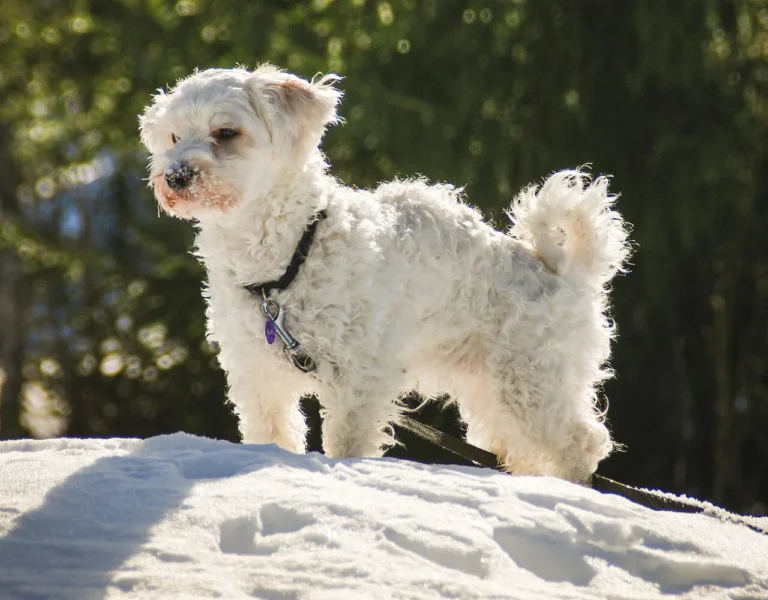
| Havanese | Social small companion | Coat maintenance and togetherness |
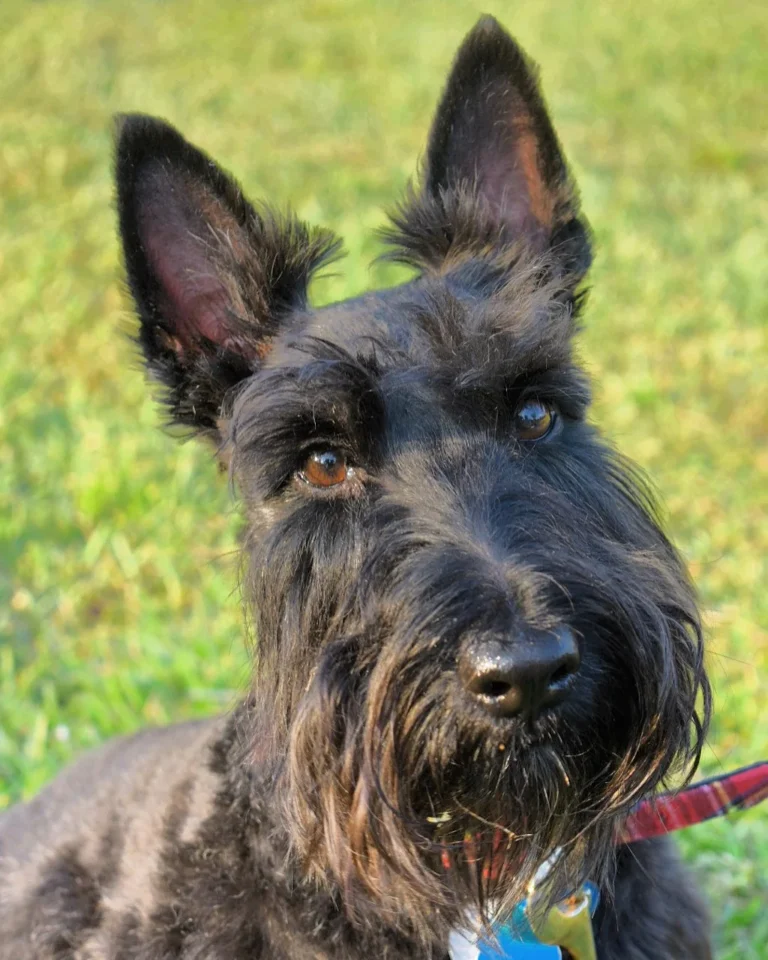
| Scottish Terrier | Independent terrier | Different training and grooming style |
The comparison is intended to show meaningful care differences, not rank one breed as better. If you are deciding between Papillon Dog and another breed, meet adult dogs and ask about individual behavior, living environment and health history. Breed averages cannot predict every dog.
Everyday checklist before adoption
| Area | Questions to answer before bringing the dog home |
|---|---|
| Routine | Can I provide appropriate activity and companionship every day? |
| Training | Do I have a realistic positive-training and socialization plan? |
| Environment | Can I manage temperature, boundaries and rest space? |
| Grooming | Can I maintain the coat or book qualified grooming help? |
| Health | Do I understand health screening, insurance and veterinary costs? |
Choose gear by measurements rather than breed labels. Record chest circumference for a harness, resting length for a bed and usable entry clearance for any house or crate. Product listings can exaggerate usable space when they report outside dimensions.
Practical equipment for this breed
Begin with a reliable identification tag, a correctly fitted walking setup and a comfortable indoor sleeping place. Add weather-specific equipment only when the climate and individual dog warrant it. Review how to choose the right dog bed, the dog house measurement guide and the winter dog equipment checklist for gear decisions. These guides are not evidence that any particular product was tested by ANIMOX.
Before choosing a puppy or rescue dog
Ask a responsible organization about health records, behavior around people and pets, grooming tolerance and the daily routine the dog currently knows. If considering a puppy, ask for documented health screening relevant to the breed; if adopting an adult, prioritize a realistic description of observed behavior. Meet the dog in more than one context where possible and resist choosing solely from social media photographs.
Give an active small dog room to participate
The Papillon’s distinctive ears can draw attention away from the lively dog underneath. Ask how the individual enjoys exploring, learning and interacting with its caregiver. A small companion does not need to spend every outing being carried or every day confined to a lap. Arrange activities that let the dog participate safely at its own scale.
Short training games can fit into ordinary life without turning the household into a competitive sporting home. Choose tasks the dog can understand and reward, then allow time for rest. The aim is useful engagement, not constant excitement. A dog who enjoys learning still needs a predictable routine when the owner is working or unavailable.
Evaluate the room from a toy dog's perspective
Inspect the openings in gates, gaps beneath furniture and routes near heavy doors. Small size can create access to places a larger dog could not reach. Move hazards or change the arrangement rather than relying on repeated verbal corrections after the dog discovers an interesting gap.
Think about interactions with larger resident animals too. Compatible temperament does not remove the need to supervise differences in size and play style. Provide appropriate separate spaces and ask for help planning introductions if needed. A Papillon should have room to leave an interaction, while another dog should not be expected to guess which physical games are suitable.
Protect choice during handling and social visits
Explain to children and visitors how to interact without sudden lifting, crowding or reaching into the dog’s resting area. An appealing appearance can lead people to approach quickly. The owner can set clear boundaries and reward calm participation instead of treating all attention as automatically welcome.
Practice necessary handling in short, manageable sessions. A dog may need to become comfortable with paw checks, grooming and travel preparation even if it is easy to lift. Ease of physical restraint is not the same as comfort. If the dog shows distress or pain during care, seek suitable help rather than relying on its small size to finish the task by force.
Compare grooming effort by the individual coat
Ask a qualified groomer or experienced source organization about maintaining the dog’s coat and feathering. Check the areas that collect debris after walks and make drying part of the routine when needed. Regular care can prevent a simple task becoming a lengthy uncomfortable one.
Equipment should work with the coat rather than constantly catching or rubbing it. Try the walking setup in a quiet setting and observe normal movement. Record the correct adjustments so every caregiver uses the same fit. A harness chosen by a generic small-dog label may sit differently from one chosen using the actual measurements.
Make activity ideas realistic for your setting
A quiet training corner, suitable scent activities and varied walks can all be part of a practical routine. If the owner wants to explore organized activities, find an instructor who assesses the individual dog’s age, ability and comfort. A photograph of another Papillon doing agility is not a reason to copy obstacles or jumps without guidance.
Keep the difference between engagement and overloading clear. If the dog cannot settle, becomes frustrated or seems uncomfortable, review the overall routine rather than simply adding more exercise. Health and behavior concerns deserve appropriate professional attention. An energetic reputation is not a license to ignore the individual dog’s signals.
Choose travel and rest equipment thoughtfully
Measure the dog for a carrier or resting surface instead of selecting the smallest product available. The interior should suit the intended use, and the carrier should be secured according to its instructions during transport. Convenience for the owner should not come at the expense of ventilation, usable room or comfortable access.
At home, provide a bed where the dog can stretch and rest without being repeatedly disturbed. Washable covers are useful when they fit the household’s laundry routine. Decorative features, elaborate matching sets and a miniature aesthetic are optional. Clear handling rules, suitable activity and a comfortable place to rest are the essentials that make a small active companion easier to live with over time.
Keep a small companion visible during household activity
Before moving furniture, opening a reclining chair or carrying heavy boxes, locate the dog and arrange a safe place for it to wait. A toy dog can disappear from view behind an ordinary household object. Clear routines are especially helpful when guests or repair workers do not know the animal’s habits. Teach a comfortable waiting place rather than expecting the dog to recognize every hazard. The same approach helps during car loading: prepare the carrier or restraint before opening several doors and carrying bags, so the dog is not managed as an afterthought while everyone is distracted.
Frequently asked questions
Are Papillons high energy?
Many are active and enjoy learning despite their small stature; individual needs vary.
Are Papillons suitable for families?
They can be, with supervision and respectful handling, particularly around young children.
Do Papillons need grooming?
Yes. Regular brushing and checks around their fringed ears help maintain coat comfort.
Continue reading on ANIMOX
Reference material and editorial verification
This informational guide does not replace individual veterinary or behavioral advice. No hands-on product testing is claimed.
Daily life with this breed
Living well with this breed is mostly about matching expectations to reality. This dog is typically toy-sized, light and agile and is often described as smart, responsive and lively. That profile influences how the dog uses space, how much supervision is needed around visitors and what kind of home routine will feel sustainable.
Exercise and enrichment needs
For most adults of this breed, a good plan includes short daily exercise and regular mental enrichment. Puppies, seniors and dogs with medical issues may need modified routines, so it is always better to tailor activity to the individual dog instead of following a generic internet checklist.
Grooming and home care
Owners should plan for light coat care compared with many long-coated toy breeds. Grooming is not only cosmetic: it is also a chance to check paws, skin, ears and overall comfort. Comfortable bedding, easy access to water and a predictable routine usually matter more than buying large amounts of gear.
Is this breed a good fit for first-time owners?
That depends less on marketing claims and more on the household’s routine. This breed is generally best in attentive homes that enjoy training a small active dog. If you are unsure, spend time with adult dogs, speak to breed-specific rescues or clubs and compare the realities of training, grooming and veterinary costs.
Useful gear to think about
Instead of shopping by breed label alone, choose equipment by measurement. On ANIMOX, start with guides to the right dog bed, dog house sizing and seasonal dog gear. For active breeds, a correctly fitted walking setup and supportive resting area are often the best first purchases.
Final takeaway
A great match is about the individual dog, your lifestyle and the support plan you can maintain long term. Research the breed, meet real dogs and prepare your home before making a decision.
Photo: Gvdmoort / Wikimedia Commons, CC BY-SA 3.0. Resized and converted to WebP.