On this page
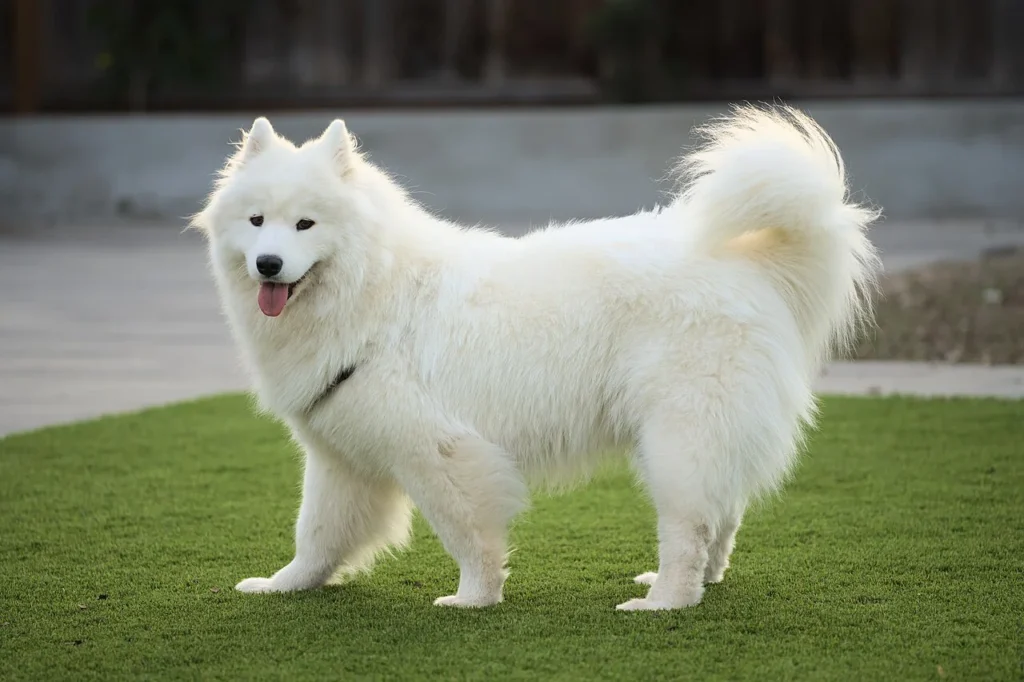
A Samoyed dog is hard to overlook: a dense pale coat, a distinctive expression and a social personality. Yet the breed was developed for work in cold environments, and caring for one involves more than keeping white fur clean. Daily engagement, coat maintenance and climate planning are all major commitments.
Samoyed Dog at a glance
| Factor | Practical owner expectation |
|---|---|
| Breed type | Medium-large northern working spitz |
| Activity | High; social activity and training |
| Grooming | Dense double coat; frequent brushing and seasonal shedding |
| Best suited to | Social households prepared for coat care |
| Plan carefully for | Heat management, isolation, coat upkeep |
A friendly working breed still needs an outlet
Samoyeds often enjoy being included in family activity. Exercise and structured play should be adjusted to age and fitness, and reward-based training can help redirect boredom-related noise or unwanted behavior. Dogs left alone for long periods may struggle; companionship is part of the care plan.
Heavy coat does not equal hot-weather safety
Expect regular shedding and substantial grooming work. A thick double coat should not be shaved casually as a shortcut to cooling; discuss coat management with an experienced groomer and veterinarian. In hot weather, prioritize appropriate indoor temperature, shade, water and safe activity timing instead of relying on appearance to judge comfort.
Samoyed Dog compared with similar choices
| Breed | Why owners consider it | Important distinction |
|---|---|---|
| Samoyed | Social, fluffy northern worker | Coat care and heat management |
| Great Pyrenees | Independent white guardian | Boundaries and alert barking |
| Newfoundland | Giant heavy-coated worker | Size, support and grooming |
The comparison is intended to show meaningful care differences, not rank one breed as better. If you are deciding between Samoyed Dog and another breed, meet adult dogs and ask about individual behavior, living environment and health history. Breed averages cannot predict every dog.
Everyday checklist before adoption
| Area | Questions to answer before bringing the dog home |
|---|---|
| Routine | Can I provide appropriate activity and companionship every day? |
| Training | Do I have a realistic positive-training and socialization plan? |
| Environment | Can I manage temperature, boundaries and rest space? |
| Grooming | Can I maintain the coat or book qualified grooming help? |
| Health | Do I understand health screening, insurance and veterinary costs? |
Choose gear by measurements rather than breed labels. Record chest circumference for a harness, resting length for a bed and usable entry clearance for any house or crate. Product listings can exaggerate usable space when they report outside dimensions.
Practical equipment for this breed
Begin with a reliable identification tag, a correctly fitted walking setup and a comfortable indoor sleeping place. Add weather-specific equipment only when the climate and individual dog warrant it. Review how to choose the right dog bed, the dog house measurement guide and the winter dog equipment checklist for gear decisions. These guides are not evidence that any particular product was tested by ANIMOX.
Before choosing a puppy or rescue dog
Ask a responsible organization about health records, behavior around people and pets, grooming tolerance and the daily routine the dog currently knows. If considering a puppy, ask for documented health screening relevant to the breed; if adopting an adult, prioritize a realistic description of observed behavior. Meet the dog in more than one context where possible and resist choosing solely from social media photographs.
Plan for a coat that affects the whole household
A Samoyed’s white coat is a major part of its visual appeal, but maintenance involves more than keeping photographs bright. Ask an experienced groomer or knowledgeable source organization how the individual coat should be maintained and how the dog is introduced to handling. Budget both professional help and the work that takes place between appointments.
Create a sensible place for brushing, towels and drying after wet walks. Choose washable covers for the resting areas the dog actually uses. A household that is uncomfortable with loose hair or significant laundry should discuss those concerns before choosing the breed. An expensive brush or a decorative bed does not remove the ongoing care commitment.
Adapt activity to conditions rather than the calendar
A dog associated with cold climates still needs an individual plan for the actual weather, health and living environment. Look at shade, walking surfaces and the option to return indoors. Do not assume a familiar route is equally suitable on a mild morning and a hot afternoon. Obtain veterinary guidance when health concerns affect activity.
Think about the rest of the day after an outing: access to water, a comfortable indoor resting location and the time needed for coat care. A cold-looking photograph or snowy background says nothing about what is appropriate in your local climate. Avoid treating a coat’s appearance as proof that any outdoor exposure is safe.
Give a social companion a predictable rhythm
Map out the periods when people are present, busy or away. Discuss how the individual dog currently manages transitions and alone time. A household that wants an involved companion should still introduce appropriate rest and routine rather than promising constant entertainment.
If difficulty appears when people leave, seek suitable help instead of assuming another pet or more exercise automatically resolves it. Record what happens and share that information with the professional supporting the household. Clear observations are more useful than interpreting every sound or behavior through a breed stereotype.
Build walking and doorway skills in manageable settings
Practice ordinary routines before relying on them during busy public outings. Waiting while equipment is fitted, moving calmly through a door and returning attention to the handler are practical skills. Use appropriate rewards and settings in which the dog can succeed. An appealing smile should not distract an owner from the need for safe everyday handling.
Check boundaries and gate routines at home. Tell visitors and caregivers how entry is managed so the dog is not expected to compensate for an open gate or rushed handover. A familiar property still needs maintenance and supervision. Prevention is easier than trying to retrieve a dog after an avoidable escape.
Fit walking equipment through the coat carefully
Follow the manufacturer’s measuring instructions and look at how straps sit as the dog moves. A dense coat can make an arrangement look snug while concealing poor adjustment, or make a suitable body measurement difficult to judge by eye. Ask for help if unsure rather than repeatedly tightening the harness.
Remove equipment as appropriate during rest and grooming, and inspect contact areas during ordinary care. A product marketed for fluffy or northern breeds is not a substitute for fitting the individual animal. Keep the adjustment details somewhere caregivers can find them, particularly if seasonal grooming or a change in body condition affects the fit.
Consider the practicalities of travel and support
Find out which local boarding, grooming and walking services are appropriate for the individual dog. Ask about handling experience and routine care rather than selecting solely by availability or a breed photograph on a website. Provide written instructions when someone else is responsible for the dog.
Plan the vehicle setup and the route from home to outdoor areas before an urgent journey is needed. For the resting space, compare usable bed dimensions, cover removal and drying time. The best arrangement is one that stays practical during busy weeks, shedding periods and wet weather, not only when the dog has just been groomed.
A useful adoption conversation
Ask about the dog’s ordinary behavior, care requirements and the situations in which it needs support. Meet adult Samoyeds and talk to owners about the work that is least visible in attractive photographs. If the household is prepared for companionship, training, coat maintenance and sensible climate management, the discussion becomes a realistic match assessment rather than an impulse choice based on appearance.
Frequently asked questions
Do Samoyed dogs shed a lot?
Yes. Their dense double coats require ongoing grooming and generally shed significantly.
Are Samoyeds good with families?
Many are sociable, but good outcomes depend on training, supervision and the household’s ability to meet their needs.
Can Samoyeds live in warm climates?
They need careful heat management and suitable indoor conditions; consult a veterinarian about individual risk.
Continue reading on ANIMOX
Reference material and editorial verification
This informational guide does not replace individual veterinary or behavioral advice. No hands-on product testing is claimed.
Daily life with this breed
Living well with this breed is mostly about matching expectations to reality. This dog is typically medium-to-large, fluffy working breed and is often described as friendly, social and energetic. That profile influences how the dog uses space, how much supervision is needed around visitors and what kind of home routine will feel sustainable.
Exercise and enrichment needs
For most adults of this breed, a good plan includes regular exercise plus mental engagement. Puppies, seniors and dogs with medical issues may need modified routines, so it is always better to tailor activity to the individual dog instead of following a generic internet checklist.
Grooming and home care
Owners should plan for heavy double-coat maintenance. Grooming is not only cosmetic: it is also a chance to check paws, skin, ears and overall comfort. Comfortable bedding, easy access to water and a predictable routine usually matter more than buying large amounts of gear.
Is this breed a good fit for first-time owners?
That depends less on marketing claims and more on the household’s routine. This breed is generally best in homes prepared for shedding and climate management. If you are unsure, spend time with adult dogs, speak to breed-specific rescues or clubs and compare the realities of training, grooming and veterinary costs.
Useful gear to think about
Instead of shopping by breed label alone, choose equipment by measurement. On ANIMOX, start with guides to the right dog bed, dog house sizing and seasonal dog gear. For active breeds, a correctly fitted walking setup and supportive resting area are often the best first purchases.
Final takeaway
A great match is about the individual dog, your lifestyle and the support plan you can maintain long term. Research the breed, meet real dogs and prepare your home before making a decision.
Photo: Dllu / Wikimedia Commons, CC BY-SA 4.0. Resized and converted to WebP.