On this page
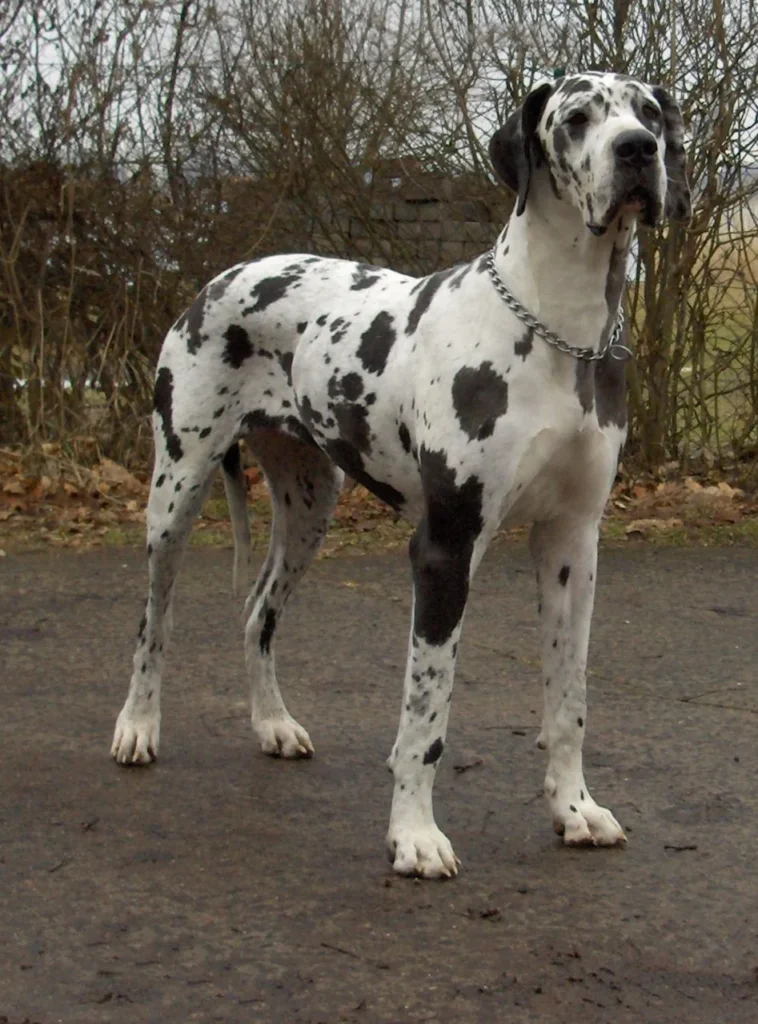
Big dog breeds can be wonderful companions, but choosing one by appearance alone often creates problems for both dog and owner. A Newfoundland and a Belgian Malinois may both be described as big dogs, yet they differ radically in working style, grooming and what they expect from a typical day. A large dog needs a realistic plan for training, transport, living space, exercise, veterinary care and senior comfort—not simply a bigger food bowl.
Quick comparison: big dog breeds
| Breed | Typical adult build | Daily-life consideration | Care priority |
|---|---|---|---|
| Newfoundland | Giant, heavy-coated | Space and extensive grooming | Supportive bedding; heat management |
| Great Pyrenees | Very large livestock guardian | Independent vigilance; outdoor boundaries | Secure fencing; coat care |
| Samoyed | Medium-large working spitz | Social, energetic and heavy shedding | Activity; grooming |
| Boxer | Muscular medium-large | Playful and athletic | Exercise; heat-aware routines |
| Greyhound | Tall, lean sighthound | Fast sprinting; often restful indoors | Secure exercise; soft bed |
| Belgian Malinois | Athletic medium-large herder | Very high training commitment | Structured mental and physical work |
Important: “Big” is not a standardized temperament or even a consistent weight category across websites. Look at the adult individual dog and the breed’s working history rather than making a decision from weight alone.
What makes a big dog right for your home?
First, consider the dog’s likely adult body dimensions and movement patterns. A long-legged Greyhound may need room to stretch but has different exercise rhythms from a Malinois. A Newfoundland needs enough turning space indoors and a vehicle that can safely accommodate a giant dog. A Great Pyrenees may be more comfortable in a home prepared for alert barking and careful boundary management. Daily companionship matters for all of them.
Second, look at the type of exercise. Distance does not tell the full story. Some breeds benefit from scent games, obedience practice, secure off-leash sprinting or structured working tasks. Puppies and dogs with health conditions should have their exercise plans adjusted with veterinary guidance rather than being pushed through strenuous adult routines.
Third, plan for life as an older dog. Doorway access, slippery flooring, car ramps, sturdy beds and appropriate body condition become especially important when a dog is large. A house or kennel labeled “XL” is not automatically large enough: usable interior length, entrance clearance and actual sleeping posture are better measurements.
Compare the hidden commitments
| Factor | What to check | Common mistake |
|---|---|---|
| Space | Can the dog stretch, turn and rest indoors? | Using a yard to replace companionship |
| Transport | Vehicle access, secure restraint and carrier size | Assuming a giant dog fits any SUV |
| Grooming | Coat density and seasonal shedding | Treating all long-haired breeds alike |
| Training | History, impulse control and socialization | Mistaking size for calm behavior |
| Budget | Food, veterinary costs and larger accessories | Comparing purchase prices alone |
| Climate | Coat, humidity, heat and shade | Assuming a winter breed tolerates summer heat well |
Large dog care equipment that matters
For sleeping, measure the dog while resting and choose a bed with a usable platform wide enough for their normal posture. Very large dogs can struggle with excessively high bolsters or shallow entrances as they age. Start with orthopedic dog beds for large dogs and how to choose the right dog bed. For an outdoor shelter, always separate weather protection from safe exposure: our large-dog house comparison and the dog house size guide cover the measurement decisions. A dog house never replaces access to suitable shelter or supervision.
How to shortlist two or three breeds
Write down five non-negotiables: available daily time, experience with training, tolerance for noise, grooming budget and local climate. Then meet adult dogs whenever possible through responsible breed clubs or rescue organizations. Ask about the specific dog’s temperament rather than relying on breed stereotypes. Compare the needs of both the most energetic and the least independent dog you could reasonably handle, and plan for the harder case.
Run a room-by-room size trial before choosing
A floor plan is more revealing than a photograph of a big dog on a sofa. Mark out a proposed sleeping area with a blanket, then walk around it while carrying groceries or opening nearby doors. A bed that fits between two pieces of furniture may still block the route to the kitchen. Imagine the dog getting up at the same time as someone walks past. The useful question is whether the household can move comfortably, not whether the bed can be squeezed into a gap.
Repeat the exercise at the front door, on the stairs and beside the car. Think about who would help if an older dog could no longer jump into the vehicle. A removable ramp is useful only if there is enough room to deploy it at your usual parking spot. In a rental home, find out about animal policies and access restrictions before committing to a dog whose size may limit your options when moving.
Plan for ordinary weekdays, not your best weekend
Compare two sample days: a relaxed Saturday and a Tuesday when everyone has work, school or appointments. Write down who handles the morning outing, the middle of the day and the evening routine. If the plan depends on one person always being available, arrange a backup. A giant companion with moderate activity needs can still require substantial hands-on time for drying paws, grooming, transport and cleaning. A lighter, more athletic breed may need less lifting but more structured activity.
Ask a potential dog walker or boarding provider about their experience with the specific size and behavior of dog you are considering. Availability matters as much as the quoted fee. A provider who accepts a calm adult Newfoundland may not accept a young, untrained Malinois. Finding appropriate help before a holiday or illness is less stressful than discovering the limitation during an emergency.
Compare the recurring costs without guessing prices
Create separate budget lines for food, routine veterinary care, grooming, training, transport and replacement equipment. Use actual local quotes for the likely adult size. Include the cost of washing and drying large covers, replacing damaged leads and arranging suitable boarding. This is more useful than a single online estimate of what a large dog costs per year, which may exclude services your household will need.
Consider the storage problem too. A large bag of food, a spare dry bed cover and a vehicle ramp occupy real space. If the only washing machine available cannot handle the bed cover, the practical alternative may involve a laundry service or a different bed design. These are reasons to compare care systems before buying, rather than choosing the biggest accessory available.
Read behavior descriptions as questions to investigate
Words such as gentle, protective and energetic are starting points for a conversation. Ask what the individual dog does when a delivery arrives, another dog approaches or the household leaves. An adult dog’s observed habits can tell you more about a match than an attractive breed description. For a puppy, discuss the parents, early environment and the support the breeder or rescue offers as the dog develops.
A workable shortlist might contain one sociable companion breed and one more independent working breed. Instead of treating them as interchangeable because both are large, compare how you would manage the situations that are hardest for your household. Noise, visitors, loose cats, long absences and very hot afternoons each create different demands. The better match is the dog for whom you can provide a realistic daily routine, including a comfortable place indoors when outdoor conditions are unsuitable.
Frequently asked questions
What is the best big dog breed for a family?
There is no universal best breed. Prioritize a known individual temperament, supervision around children, safe handling and the household’s ability to meet training and activity needs.
Are big dogs good for apartments?
Some can be, provided the building rules, indoor layout, noise expectations and outdoor access match the individual dog. An apartment is not a substitute for exercise or enrichment.
Which big dog breeds shed the most?
Thick-coated breeds such as Newfoundlands, Great Pyrenees and Samoyeds are known for significant coat maintenance. Individual shedding varies.
Do big dogs need orthopedic beds?
A supportive bed is useful for many dogs, but it is not a medical treatment. Choose based on the dog’s posture, access needs and comfort.
Continue reading on ANIMOX
Reference material and editorial verification
This informational guide does not replace individual veterinary or behavioral advice. No hands-on product testing is claimed.
How to compare big dog breeds without guessing
Start with adult body shape, not just weight. A lean Greyhound and a heavy Newfoundland may both count as large dogs, yet their home setup, exercise rhythm and grooming needs are completely different. Measure doorways, sleeping space and vehicle access before choosing a breed, and remember that giant breeds often need more support as they age.
Common mistakes first-time owners make with big dog breeds
One common mistake is assuming that a large yard solves every exercise need. Big dogs still need training, companionship and breed-appropriate enrichment. Another mistake is choosing accessories by labels like “XL” instead of by measurement. Beds, crates, harnesses and dog houses should match the dog’s actual body length, chest size and resting posture.
Home setup checklist for large and giant dogs
Prepare a non-slip resting area, enough floor space for turning and stretching, and a realistic feeding and grooming station. If the breed will spend supervised time outdoors, review weather protection and sizing with the dog house size guide. For indoor comfort, compare supportive beds in our guides to orthopedic dog beds for large dogs and how to choose the right dog bed.
Final takeaway
The best big dog breed for your home is the one whose daily needs match your time, climate and living space. Use breed history as a starting point, then evaluate the actual individual dog in front of you.
Photo: Wikimedia Commons contributor / Wikimedia Commons, CC BY-SA 3.0. Resized and converted to WebP.