On this page
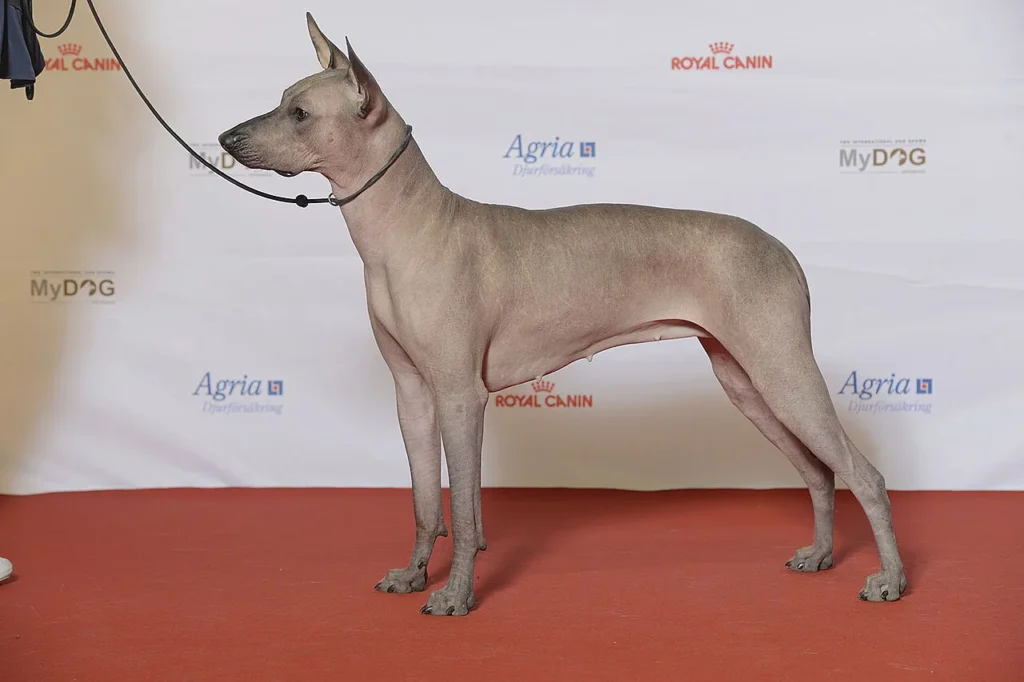
Searching for a “hairless dog” usually means comparing several distinct breeds, not finding one single type of pet. Coatless dogs attract attention because of their appearance, but their daily needs can include careful sun exposure, protection from rough surfaces, climate-aware clothing and sensible skin care. A hairless dog is not automatically hypoallergenic.
Hairless dog breeds compared
| Breed | Typical coat varieties | What owners should plan for |
|---|---|---|
| American Hairless Terrier | Hairless and coated | Active terrier temperament; skin checks |
| Chinese Crested | Hairless and Powderpuff | Hairless skin protection or Powderpuff grooming |
| Xoloitzcuintli | Hairless and coated | Size variation; socialization and skin care |
| Peruvian Inca Orchid | Hairless and coated | Several sizes; careful climate management |
Skin is a care responsibility, not an aesthetic shortcut
Without the same protective coat as many other dogs, skin may be more exposed to sunburn, abrasions, cold surfaces or irritating products. Never apply human sunscreen or lotion without veterinary guidance; ingredients and ingestion risks differ. Ask a veterinarian about a safe plan for your dog’s skin and local climate. Watch for persistent redness, sores, itching or unusual bumps.
Clothing, harnesses and bedding
A soft, non-rubbing harness and smooth resting surface may help avoid friction. Measure the actual dog: some hairless breeds have deep chests and narrow waists, so a generic small/medium size chart can mislead. In cold conditions use well-fitting clothing where appropriate, but avoid overheating or covering irritated skin with fabrics that trap moisture. For shopping decisions, measure first and review our dog bed selection guide.
Compare daily routines
| Routine | Hairless dog consideration | Owner action |
|---|---|---|
| Outdoor activity | Weather and sun exposure | Plan shade, safe timing and veterinarian-approved protection |
| After walks | Skin may pick up dirt or abrasions | Gentle inspection; avoid harsh cleansers |
| Winter | Reduced coat insulation | Adapt clothing and exposure to the individual |
| Equipment | Potential rubbing points | Check straps, bedding seams and fit |
| Allergies | Still produces allergens | Discuss household allergies with a clinician |
Is a hairless dog right for you?
Choose temperament and individual health first. An American Hairless Terrier can be energetic and curious; a Xoloitzcuintli may have a different temperament and size. Meet adults, ask a rescue or reputable breeder about known skin concerns, and budget for routine preventive care. These dogs are not fashion accessories and should never be selected only because they look unusual in photographs.
Choose a routine for exposed skin, not a shelf of products
Start by asking the veterinarian what normal skin looks like for the individual dog and which changes warrant a visit. Owners can then keep a simple record of recurring redness, rubbing or discomfort without trying a new cream every time something changes. Introducing several skin products at once can make it harder to understand what preceded a reaction. A breed enthusiast’s preferred routine is not automatically suitable for a different dog.
Keep grooming equipment easy to clean and use gentle handling. A soft towel and an appropriate washing plan are more useful than a complicated beauty routine copied from social media. Avoid treating a hairless dog’s skin as if it were a human cosmetic experiment. If a dog seems persistently itchy or sore, seek veterinary advice rather than trying to conceal the problem with clothing for photographs.
Plan outdoor time around the actual location
A short walk beside shaded buildings is different from an afternoon in an open field. Look at where shade is available, whether the dog can return indoors and what surfaces it will stand or lie on. A trip to a beach, a paved patio or a windy campsite may need a different plan from an ordinary neighborhood outing. There is no single jacket or accessory that makes all those settings suitable.
Put weather planning on the owner’s checklist before packing equipment. Clothing can become wet, straps can rub and a resting surface may be uncomfortable even when the air feels mild to a person. Bring an appropriate dry alternative and be prepared to shorten the outing. A pleasant photograph does not show how long a dog was exposed or whether the conditions were appropriate for that individual.
Try walking equipment in a quiet indoor setting
Before relying on a new harness outside, practice putting it on and taking it off calmly. Look at the areas near the legs, chest and neck as the dog moves. A strap that appears harmless while the dog stands still may shift when it bends to sniff or turns sharply. Deep-chested or narrow-waisted dogs may need a different adjustment range from the size label you would expect.
Use a brief, low-pressure fitting session rather than tightening every strap until movement is restricted. If the equipment continually rotates or presses against sensitive areas, a different design may be needed. An owner should be able to reproduce the fit consistently; a harness that only one person can put on correctly is a poor everyday system. Follow the manufacturer’s instructions and ask for professional help with escape or handling concerns.
Build a resting area without relying on heating claims
Look for a comfortable indoor location away from drafts, harsh direct sun and rough edges. Washable fabric should feel suitable against the dog’s skin and remain dry between cleanings. A spare cover makes it easier to maintain the resting place without leaving the dog on an unsuitable surface while laundry dries. Smooth does not necessarily mean slippery, and soft does not necessarily mean difficult to wash.
Electrical warming products require particular care and are not a default answer to owning a hairless breed. Follow product-specific veterinary and manufacturer advice, especially if the dog has skin or mobility problems. Do not infer suitability from a marketing photograph showing another hairless dog. A practical indoor environment and a sensible daily routine should come before buying specialized equipment.
Look beyond coat appearance when choosing between breeds
The appeal of an American Hairless Terrier, a Chinese Crested and a Xoloitzcuintli is not interchangeable. Ask about the adult dog’s activity, reactions to visitors, handling history and experience in a household like yours. A quieter dog in a photograph may be alert or uncertain in person. A sociable puppy may still need patient training and gradual introductions as it matures.
Coated individuals also exist within several breeds discussed here. Clarify which variety is being offered and what its care requirements are, rather than assuming the breed name describes every dog identically. For a rescue, prioritize the individual animal’s observed needs over visual resemblance to a breed. Appearance can help identify questions to ask, but it cannot establish the right care plan on its own.
Make garments functional and easy to inspect
If clothing is appropriate, look at the neck opening, leg openings and the area underneath the chest. The garment should allow normal toileting, walking and rest. Rough seams, labels or fasteners may matter more than the thickness of the material. Take the garment off for regular skin observations and cleaning rather than using it to hide areas that look irritated.
Keep a dry replacement available when weather or an outing may leave clothing damp. Reassess fit as the dog grows or changes condition, and avoid leaving accessories on merely because they look attractive. A wardrobe is optional; a careful understanding of the dog’s comfort is not. Choose a small number of practical items that can be maintained rather than treating frequent purchases as a substitute for a workable routine.
Tell a prospective caregiver what is normal for this dog
Write a short care note for a sitter or boarding provider describing the usual resting place, clothing routine and the veterinarian’s existing instructions. Include who to contact if something changes. The note should concern this dog’s actual care rather than a long list of internet remedies. A caregiver who is comfortable with skin checks and handling may be a better match than someone who simply likes the breed’s unusual appearance.
Frequently asked questions
Are hairless dogs hypoallergenic?
No dog is guaranteed hypoallergenic. Hairless dogs still produce allergens, and allergy symptoms depend on the person.
Do hairless dogs need sunscreen?
Some may need sun protection, but use products and strategies recommended by a veterinarian rather than applying human products by default.
Do hairless dogs get cold?
Many need climate-aware care and may benefit from well-fitted garments in cold conditions.
Do all hairless breeds look alike?
No. Breeds and individual dogs differ considerably in size, temperament and whether coated varieties exist.
Continue reading on ANIMOX
Reference material and editorial verification
This informational guide does not replace individual veterinary or behavioral advice. No hands-on product testing is claimed.
Why hairless dogs need skin-focused care
Hairless breeds may reduce the amount of coat maintenance, but they replace it with skin care, weather protection and careful temperature management. Their skin can be more exposed to sun, cold, rough surfaces and dryness, so routines should be built around protection rather than simply celebrating the no-shed look.
Daily-life considerations with a hairless dog
Warm resting areas, soft bedding and climate-aware outings matter. In cooler weather, some dogs may benefit from a well-fitted coat. In hot weather, time outdoors should be managed responsibly and with veterinary guidance when skin sensitivity is an issue.
Final takeaway
A hairless dog can be a rewarding companion, but only for owners ready to trade brushing for thoughtful skin care and climate management.
Photo: Svenska Mässan from Sweden / Wikimedia Commons, CC BY 2.0. Resized and converted to WebP.