On this page
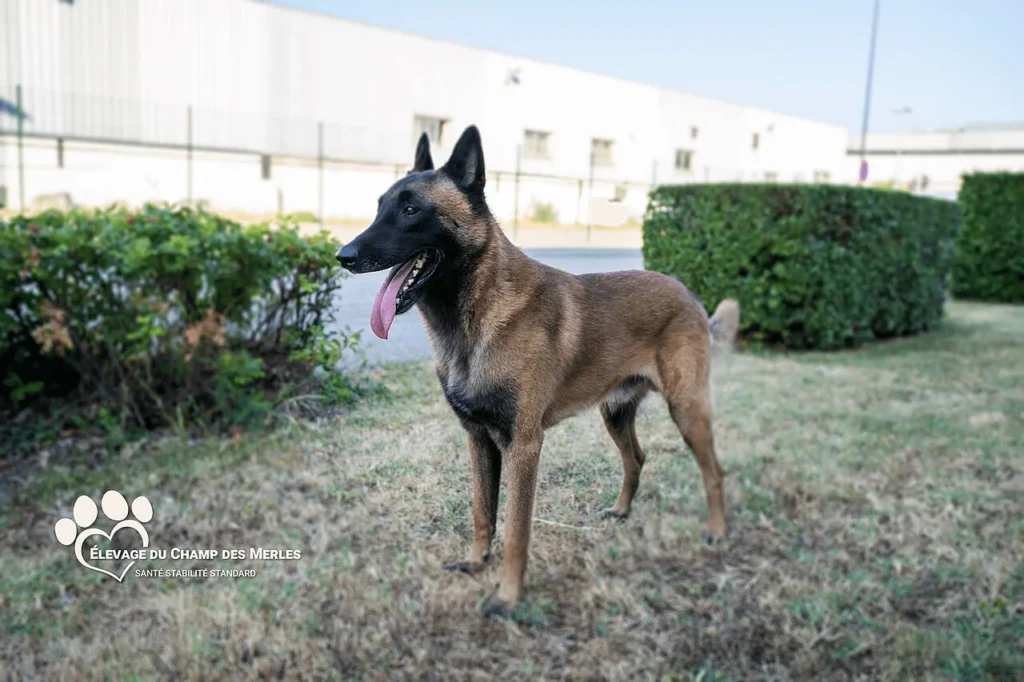
The Belgian Malinois dog is often admired for its athleticism and working performance. Those same qualities can make the breed a poor match for an unprepared household. A Malinois typically needs substantial structured activity, thoughtful training and meaningful mental engagement—not just a big yard.
Belgian Malinois Dog at a glance
| Factor | Practical owner expectation |
|---|---|
| Breed type | Athletic herding/working dog |
| Activity | Very high; structured work and engagement |
| Grooming | Short double coat; routine brushing |
| Best suited to | Experienced, consistently active handlers |
| Plan carefully for | Chase instincts, intensity, training time and safety |
Why a backyard is not a job
The breed’s working background can produce strong drive, quick responses to movement and a desire to work closely with a handler. Daily walks alone may not meet the needs of many individuals. Owners should plan reward-based training, supervised enrichment, safe management around visitors and small animals, and realistic breaks from activity.
Choosing a Malinois responsibly
Talk with a reputable breeder or rescue that evaluates individual temperament, health history and suitability. Training should be humane and consistent; seek qualified professional support when the dog shows fear, intense reactivity or unsafe behavior. This breed’s reputation is not a substitute for assessing a particular dog.
Belgian Malinois Dog compared with similar choices
| Breed | Why owners consider it | Important distinction |
|---|---|---|
| Belgian Malinois | Very high-drive herder | Skilled training and daily tasks |
| Boxer | Athletic family companion | Active games and manners |
| German Shepherd | Versatile working breed | Training, handling and coat care |
The comparison is intended to show meaningful care differences, not rank one breed as better. If you are deciding between Belgian Malinois Dog and another breed, meet adult dogs and ask about individual behavior, living environment and health history. Breed averages cannot predict every dog.
Everyday checklist before adoption
| Area | Questions to answer before bringing the dog home |
|---|---|
| Routine | Can I provide appropriate activity and companionship every day? |
| Training | Do I have a realistic positive-training and socialization plan? |
| Environment | Can I manage temperature, boundaries and rest space? |
| Grooming | Can I maintain the coat or book qualified grooming help? |
| Health | Do I understand health screening, insurance and veterinary costs? |
Choose gear by measurements rather than breed labels. Record chest circumference for a harness, resting length for a bed and usable entry clearance for any house or crate. Product listings can exaggerate usable space when they report outside dimensions.
Practical equipment for this breed
Begin with a reliable identification tag, a correctly fitted walking setup and a comfortable indoor sleeping place. Add weather-specific equipment only when the climate and individual dog warrant it. Review how to choose the right dog bed, the dog house measurement guide and the winter dog equipment checklist for gear decisions. These guides are not evidence that any particular product was tested by ANIMOX.
Before choosing a puppy or rescue dog
Ask a responsible organization about health records, behavior around people and pets, grooming tolerance and the daily routine the dog currently knows. If considering a puppy, ask for documented health screening relevant to the breed; if adopting an adult, prioritize a realistic description of observed behavior. Meet the dog in more than one context where possible and resist choosing solely from social media photographs.
Compare a working interest with an actual working routine
An owner may admire videos of Malinois training while having little experience of the routine behind them. Before choosing the breed, describe what you will do on an ordinary weekday, who will teach the skills and what support is available when progress is difficult. Watching impressive work online does not provide handling experience or establish that a household can meet the dog’s needs.
Speak with qualified trainers and responsible breed organizations before committing to a puppy or adult. Ask to observe ordinary training and care, not just a demonstration selected to look exciting. The conversation should include rest, management and recovery as well as activity. A useful plan is more specific than promising to run with the dog every day.
Arrange management before introducing difficult situations
Look at doors, gates, the vehicle setup and where the dog will be during deliveries or busy household events. Clear management can prevent situations the owner is not yet equipped to handle. It also gives the dog an understandable routine while training develops.
Discuss visitors, children, resident animals and regular public outings openly with the organization placing the dog. A dog with one set of working experiences may not suit every home. Do not use uncontrolled encounters to test compatibility or assume a reputation for intelligence means the dog will automatically make the choices a pet household expects.
Make professional support part of the budget
Find appropriate instruction locally before adoption, including what happens if the first trainer or class is not suitable. A household may need individual help rather than a general group class. Ask about methods, experience and how progress will be assessed. Avoid programs that offer spectacular promises without explaining how the dog and owner will learn practical skills.
Budget time for the owner to practice consistently, not just money for lessons. Training support cannot compensate for a household that has no workable daily routine. Arrange backup care with someone capable of following the plan. Last-minute general pet sitting may not be an adequate solution for an individual dog with substantial handling requirements.
Teach rest as part of the same system
Activity and quiet time should not be competing ideas. A place to settle, predictable transitions and manageable household expectations belong in the plan from the beginning. Repeatedly adding intense activity whenever the dog becomes restless can create a routine the owner cannot sustain.
Observe whether the dog can disengage and rest after the chosen activities. If this remains difficult, ask the professional supporting you to assess the whole day. More equipment or more dramatic exercise is not necessarily the answer. A comfortable resting place matters, but a bed by itself cannot teach the behavior or resolve a medical or welfare issue.
Choose equipment for handling, not an image
Buy a walking arrangement that fits the individual dog and that the handler can use correctly. A tactical appearance, many attachment points or a breed photograph does not prove suitability. Read the instructions and understand the intended purpose of any handle, clip or restraint. Do not turn a walking harness into improvised lifting or vehicle equipment.
Likewise, select transport and containment systems for the actual situation and follow appropriate guidance. Strong construction is useful only as part of a humane management plan. If the dog is distressed, repeatedly attempting escape or injuring itself, seek help rather than escalating the hardware and continuing unchanged.
Recognize when a different match is the responsible choice
The right home for one Malinois may look very different from the right home for another. An adult dog’s documented behavior, health and experience can make the conversation more concrete, but it does not remove the need for a careful placement process. Be honest about experience, available time and the situations the dog will encounter.
Choosing a different breed or individual after researching the commitment is a sound decision, not a lack of ambition. A pet should not become a project selected to prove the owner’s dedication. The most useful outcome is a household prepared to provide suitable companionship, instruction, management and care for the actual dog rather than the edited version seen in a short video.
Frequently asked questions
Are Belgian Malinois good first dogs?
They are often challenging for first-time owners because of their intensity and training needs; individual assessment matters.
Is a Malinois happy in a backyard?
A yard alone does not provide the interaction, structure or mental activity many Malinois need.
How much exercise does a Malinois need?
There is no universal safe number. Build a daily plan around age, health, conditioning and structured mental work.
Continue reading on ANIMOX
Reference material and editorial verification
This informational guide does not replace individual veterinary or behavioral advice. No hands-on product testing is claimed.
Daily life with this breed
Living well with this breed is mostly about matching expectations to reality. This dog is typically medium-to-large, athletic and is often described as intense, work-driven and highly trainable. That profile influences how the dog uses space, how much supervision is needed around visitors and what kind of home routine will feel sustainable.
Exercise and enrichment needs
For most adults of this breed, a good plan includes substantial daily mental and physical work. Puppies, seniors and dogs with medical issues may need modified routines, so it is always better to tailor activity to the individual dog instead of following a generic internet checklist.
Grooming and home care
Owners should plan for moderate routine coat maintenance. Grooming is not only cosmetic: it is also a chance to check paws, skin, ears and overall comfort. Comfortable bedding, easy access to water and a predictable routine usually matter more than buying large amounts of gear.
Is this breed a good fit for first-time owners?
That depends less on marketing claims and more on the household’s routine. This breed is generally best in experienced, very active homes or working contexts. If you are unsure, spend time with adult dogs, speak to breed-specific rescues or clubs and compare the realities of training, grooming and veterinary costs.
Useful gear to think about
Instead of shopping by breed label alone, choose equipment by measurement. On ANIMOX, start with guides to the right dog bed, dog house sizing and seasonal dog gear. For active breeds, a correctly fitted walking setup and supportive resting area are often the best first purchases.
Final takeaway
A great match is about the individual dog, your lifestyle and the support plan you can maintain long term. Research the breed, meet real dogs and prepare your home before making a decision.
Photo: Elevage du Champ des Merles / Wikimedia Commons, CC BY-SA 4.0. Resized and converted to WebP.