On this page
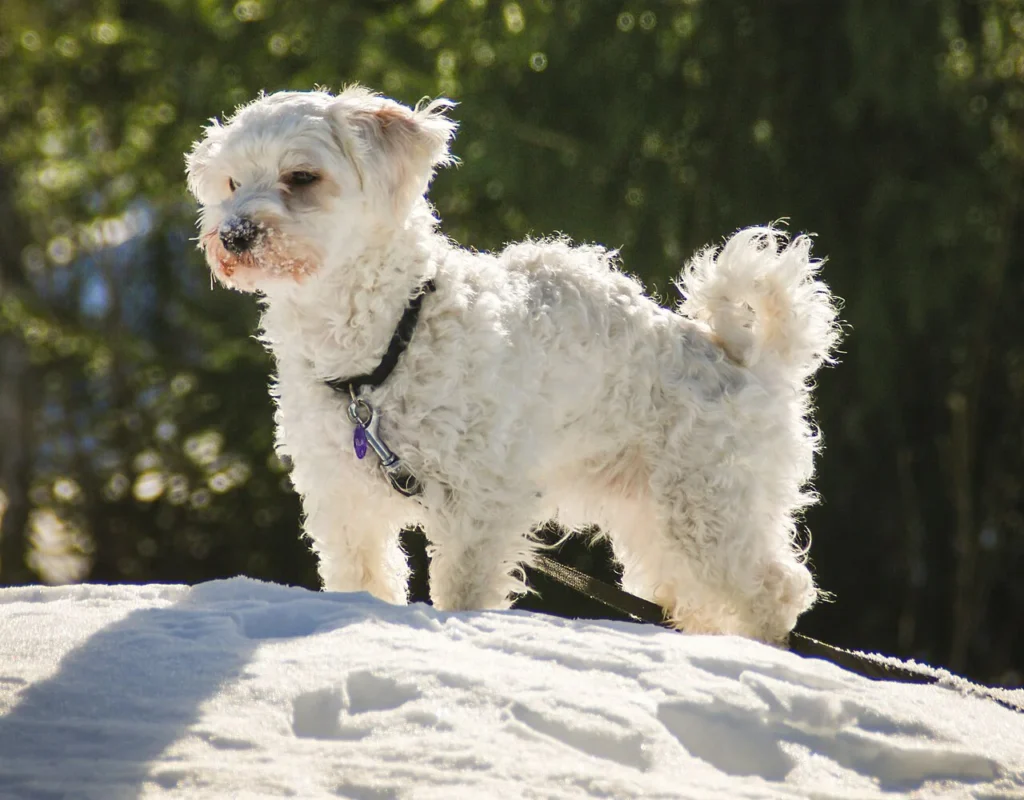
The Havanese dog is a small companion breed valued for its social nature and expressive coat. The most important question is not whether the dog fits in your apartment—it is whether your routine gives the dog enough interaction, positive training and consistent grooming.
Havanese Dog at a glance
| Factor | Practical owner expectation |
|---|---|
| Breed type | Small companion breed |
| Activity | Moderate play and walks plus mental activity |
| Grooming | Long soft coat; regular brushing or trimmed pet coat |
| Best suited to | People able to include a dog in daily life |
| Plan carefully for | Time alone, grooming and careful handling |
A companion dog still needs training
A Havanese can enjoy interactive games, learning tricks and walks without requiring the same intensity as a working shepherd. Their desire for company can make long isolation difficult for some individuals. Teach comfortable, gradual alone-time routines early instead of assuming a small dog will be content without daily enrichment.
Coat care choices
A longer coat can tangle, particularly behind the ears, around friction points and where a harness rests. Some owners prefer a manageable pet trim, but regular grooming is still necessary. Confirm whether a groomer is available and budget for appointments. Grooming preferences should never override the dog’s comfort or skin health.
Havanese Dog compared with similar choices
| Breed | Why owners consider it | Important distinction |
|---|---|---|
| Havanese | People-oriented small companion | Coat care and companionship |
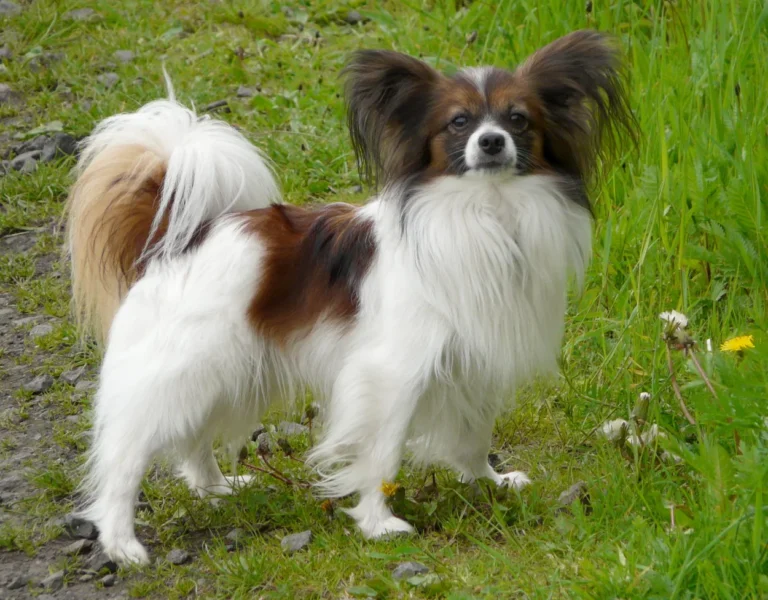
| Papillon | Energetic toy breed | Training games and feathered coat |
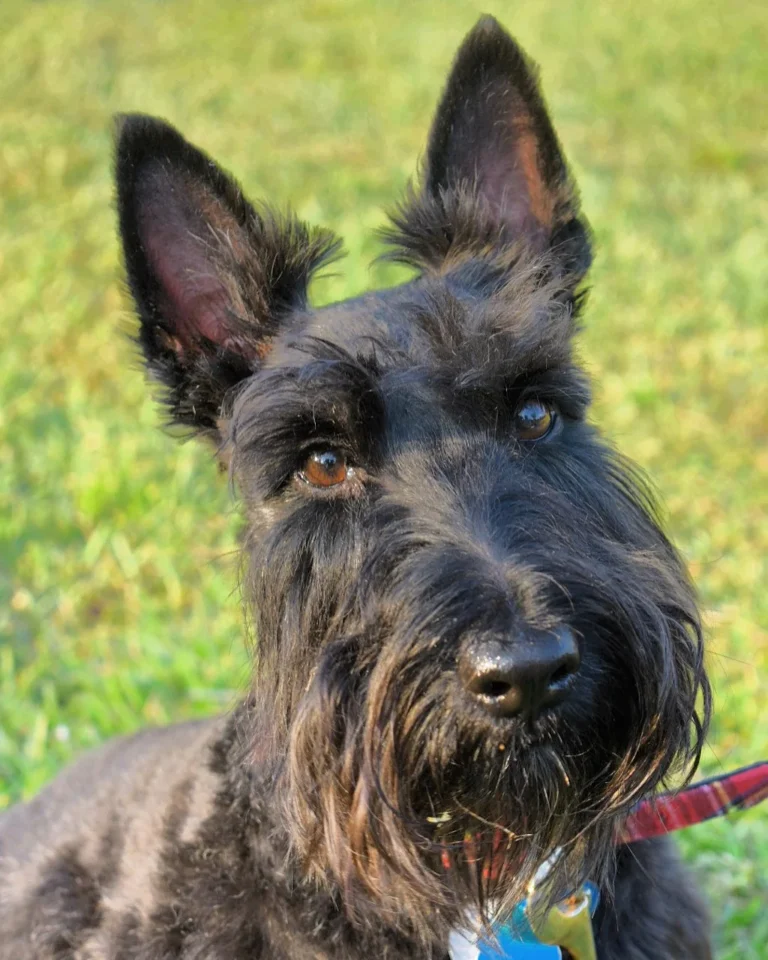
| Scottish Terrier | Independent small terrier | Terrier management and specialized grooming |
The comparison is intended to show meaningful care differences, not rank one breed as better. If you are deciding between Havanese Dog and another breed, meet adult dogs and ask about individual behavior, living environment and health history. Breed averages cannot predict every dog.
Everyday checklist before adoption
| Area | Questions to answer before bringing the dog home |
|---|---|
| Routine | Can I provide appropriate activity and companionship every day? |
| Training | Do I have a realistic positive-training and socialization plan? |
| Environment | Can I manage temperature, boundaries and rest space? |
| Grooming | Can I maintain the coat or book qualified grooming help? |
| Health | Do I understand health screening, insurance and veterinary costs? |
Choose gear by measurements rather than breed labels. Record chest circumference for a harness, resting length for a bed and usable entry clearance for any house or crate. Product listings can exaggerate usable space when they report outside dimensions.
Practical equipment for this breed
Begin with a reliable identification tag, a correctly fitted walking setup and a comfortable indoor sleeping place. Add weather-specific equipment only when the climate and individual dog warrant it. Review how to choose the right dog bed, the dog house measurement guide and the winter dog equipment checklist for gear decisions. These guides are not evidence that any particular product was tested by ANIMOX.
Before choosing a puppy or rescue dog
Ask a responsible organization about health records, behavior around people and pets, grooming tolerance and the daily routine the dog currently knows. If considering a puppy, ask for documented health screening relevant to the breed; if adopting an adult, prioritize a realistic description of observed behavior. Meet the dog in more than one context where possible and resist choosing solely from social media photographs.
Design companionship that fits a normal working day
People often choose a Havanese because they want an involved household companion. Before adoption, map out the actual periods when people will be available and when the dog will need care from someone else. Working from home does not always mean being free to interact; meetings, errands and changes of employment can alter the routine quickly.
Introduce predictable periods of rest and appropriate independence with guidance suited to the dog. Ask the breeder or rescue how the individual currently copes when people leave. If distress occurs, seek help rather than assuming that a second dog or more toys automatically resolves it. Planning for the ordinary weekday gives the relationship a better foundation than expecting constant company indefinitely.
Choose a coat routine before choosing a haircut
A long-coated photograph can hide substantial maintenance. Ask a qualified groomer what is needed for the style you want, which areas need attention between visits and how the dog should be introduced to handling. A shorter pet style may be more practical for some homes, but it is not permission to ignore grooming until the next appointment.
Make care sessions calm and manageable. Keep suitable equipment within reach, and avoid waiting until a problem requires a long uncomfortable session. Ask for help if the dog reacts strongly to brushing or seems sore. The objective is a comfortable, maintainable coat, not reproducing a show photograph regardless of the dog’s routine or the owner’s available time.
Consider the small dog's experience of a busy home
Look at floor-level hazards, gaps in gates and the places where people routinely set down bags or move furniture. A small companion can be easy to overlook during an energetic gathering. Provide a resting area that is not directly in the main walking route and explain to visitors that a dog should not be picked up without permission.
Children need adult guidance about handling and leaving the dog alone while it rests or eats. Physical size does not remove the need for boundaries. A dog who can retreat and interact by choice may have a more manageable experience than one who is constantly passed between people because everyone finds it appealing.
Use training as part of the relationship
Small dogs need clear communication just as large dogs do. Practice useful routines such as waiting at a door, coming when called in a secure setting and settling while the owner is busy. Keep sessions enjoyable and suited to the individual dog’s attention and motivation. Carrying the dog away from every difficult situation should not replace teaching skills it can use.
Look for a trainer or class that takes small-dog handling seriously and provides enough space from overwhelming activity. The purpose is not to make the dog tolerate every interaction, but to build confidence and practical habits. If a situation consistently causes difficulty, change the setup and ask for guidance instead of repeatedly testing the dog in the same stressful conditions.
Plan walks and weather care for the individual dog
A long coat does not make every weather condition comfortable. Observe the dog, account for the route and follow individual veterinary advice where health concerns are involved. Wet hair may need drying and attention after a walk. Clothing, if appropriate, should fit without tangling the coat or restricting normal movement.
For a walking harness, measure the actual chest and neck according to the manufacturer’s chart. Check how the equipment moves and whether it can be fitted consistently over the maintained coat. A product marketed for toy breeds is not necessarily the right shape. Keep a record of the fit and reassess it when grooming style or body condition changes.
Set up care for days when you cannot do everything
Identify who can provide appropriate grooming, walks and companionship during illness or travel. Give a sitter a short description of the dog’s normal routines rather than expecting them to infer everything from the breed. A simple care sheet can include the usual walking equipment, resting place, veterinary contact and any existing instructions.
The Havanese may appeal to people in apartments and larger homes alike, but the better match depends on the attention and care the household can sustain. Choose the dog with realistic expectations about grooming, company and training. A compact size can make some logistics easier without making the commitment small.
Frequently asked questions
Are Havanese good apartment dogs?
They may adapt well when social, training, exercise and noise needs are met.
Do Havanese shed?
They may shed less visibly than many breeds, but coat maintenance remains substantial.
Can Havanese dogs be left alone all day?
Long periods alone can be challenging for some. Build a gradual plan and assess the individual dog.
Continue reading on ANIMOX
Reference material and editorial verification
This informational guide does not replace individual veterinary or behavioral advice. No hands-on product testing is claimed.
Daily life with this breed
Living well with this breed is mostly about matching expectations to reality. This dog is typically small companion dog and is often described as social, cheerful and adaptable. That profile influences how the dog uses space, how much supervision is needed around visitors and what kind of home routine will feel sustainable.
Exercise and enrichment needs
For most adults of this breed, a good plan includes daily walks, play and people time. Puppies, seniors and dogs with medical issues may need modified routines, so it is always better to tailor activity to the individual dog instead of following a generic internet checklist.
Grooming and home care
Owners should plan for high coat maintenance unless clipped short. Grooming is not only cosmetic: it is also a chance to check paws, skin, ears and overall comfort. Comfortable bedding, easy access to water and a predictable routine usually matter more than buying large amounts of gear.
Is this breed a good fit for first-time owners?
That depends less on marketing claims and more on the household’s routine. This breed is generally best in homes seeking a close companion and willing to maintain coat care. If you are unsure, spend time with adult dogs, speak to breed-specific rescues or clubs and compare the realities of training, grooming and veterinary costs.
Useful gear to think about
Instead of shopping by breed label alone, choose equipment by measurement. On ANIMOX, start with guides to the right dog bed, dog house sizing and seasonal dog gear. For active breeds, a correctly fitted walking setup and supportive resting area are often the best first purchases.
Final takeaway
A great match is about the individual dog, your lifestyle and the support plan you can maintain long term. Research the breed, meet real dogs and prepare your home before making a decision.
Photo: QHuge / Wikimedia Commons, CC BY 4.0. Resized and converted to WebP.