On this page
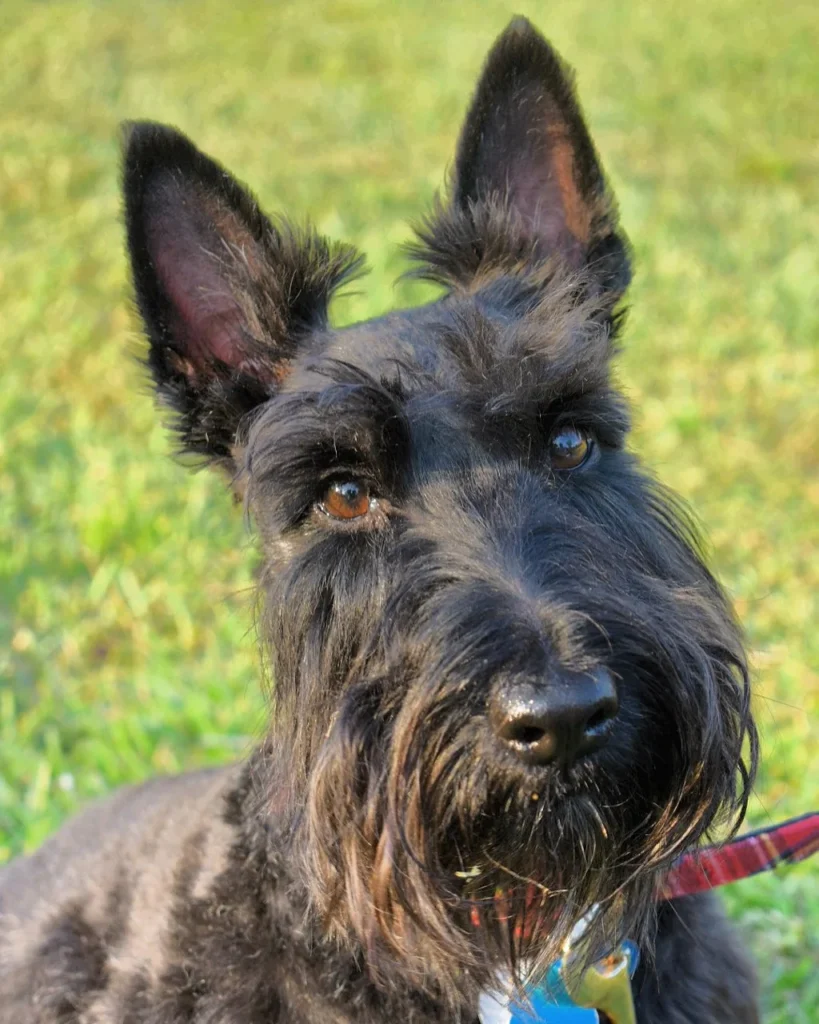
A “Scottie dog” is a Scottish Terrier: a small, compact terrier with a recognizable outline and often an independent character. Its size makes it portable, but its hunting heritage makes it a different proposition from a quiet toy companion.
Scottie Dog at a glance
| Factor | Practical owner expectation |
|---|---|
| Breed type | Small, determined terrier |
| Activity | Regular walks, games and scent enrichment |
| Grooming | Distinctive hard coat needs routine care |
| Best suited to | Owners comfortable with a self-directed little dog |
| Plan carefully for | Prey instincts, grooming skills, dog introductions |
The personality behind the silhouette
Scotties can be confident, curious and opinionated about their territory. Plan positive introductions to visitors and other animals, especially where squirrels or smaller pets can trigger pursuit. Early leash skills, recall practice and suitable outlets for digging or sniffing are more useful than trying to suppress every terrier behavior.
Grooming is a real cost
The breed’s distinctive coat requires more than an occasional bath. Owners should understand brushing, trimming and the difference between show-oriented hand-stripping and practical pet grooming. Discuss coat care with an experienced groomer before bringing a Scottie home. Never assume a “low-shedding” description means maintenance-free.
Scottie Dog compared with similar choices
| Breed | Why owners consider it | Important distinction |
|---|---|---|
| Scottish Terrier | Independent small terrier | Grooming; prey drive |
| Havanese | People-oriented small companion | Long-coat maintenance |
| Papillon | Active toy companion | Interactive training and feathered coat |
The comparison is intended to show meaningful care differences, not rank one breed as better. If you are deciding between Scottie Dog and another breed, meet adult dogs and ask about individual behavior, living environment and health history. Breed averages cannot predict every dog.
Everyday checklist before adoption
| Area | Questions to answer before bringing the dog home |
|---|---|
| Routine | Can I provide appropriate activity and companionship every day? |
| Training | Do I have a realistic positive-training and socialization plan? |
| Environment | Can I manage temperature, boundaries and rest space? |
| Grooming | Can I maintain the coat or book qualified grooming help? |
| Health | Do I understand health screening, insurance and veterinary costs? |
Choose gear by measurements rather than breed labels. Record chest circumference for a harness, resting length for a bed and usable entry clearance for any house or crate. Product listings can exaggerate usable space when they report outside dimensions.
Practical equipment for this breed
Begin with a reliable identification tag, a correctly fitted walking setup and a comfortable indoor sleeping place. Add weather-specific equipment only when the climate and individual dog warrant it. Review how to choose the right dog bed, the dog house measurement guide and the winter dog equipment checklist for gear decisions. These guides are not evidence that any particular product was tested by ANIMOX.
Before choosing a puppy or rescue dog
Ask a responsible organization about health records, behavior around people and pets, grooming tolerance and the daily routine the dog currently knows. If considering a puppy, ask for documented health screening relevant to the breed; if adopting an adult, prioritize a realistic description of observed behavior. Meet the dog in more than one context where possible and resist choosing solely from social media photographs.
Look past the distinctive outline
The Scottie’s beard, furnishings and compact silhouette are recognizable, but they do not tell the whole story of living with the dog. Ask how the individual reacts to visitors, unfamiliar dogs and routine handling. A confident-looking dog in a photograph may be cautious in a new environment. Equally, a small body does not make determined behavior easy to manage without training.
Decide which household situations are most important to get right. If the dog will regularly meet visiting children or share space with another pet, explain those details during the adoption conversation. Ask for observed behavior and support rather than expecting a description such as loyal or independent to answer every compatibility question.
Build grooming around the style you can maintain
Talk with a qualified groomer about coat care before choosing a look. A show-style finish and a practical pet trim can involve different routines. Ask what needs doing at home between appointments and which areas tend to collect tangles or debris. Budget for the care you intend to maintain rather than assuming a professional appointment removes all work until the next visit.
The beard and lower furnishings deserve attention after meals and wet outings. Establish a calm cleaning routine and keep suitable towels available. If the dog dislikes handling, introduce care patiently and ask for help where necessary. Pulling through tangles during one long session is a poor substitute for regular manageable maintenance.
Give terrier interests an appropriate outlet
Think about opportunities for sniffing, exploring and learning in a setting you can supervise. A household may find it easier to maintain clear boundaries when the dog has suitable activities rather than being expected to ignore every interesting scent or movement. Avoid introducing high-excitement games without considering how the dog will settle afterward.
If digging or chasing is a concern, protect the relevant areas and discuss an appropriate plan with a trainer. A small garden still contains boundaries, plants and wildlife that may need management. Physical size should not lead the owner to underestimate the effort required to maintain a safe environment and cooperative habits.
Practice cooperation before it becomes urgent
Teach ordinary skills in quiet settings: coming away from a doorway, waiting while equipment is fitted and accepting brief body checks. Reward the behavior you want to repeat and make the task understandable. A reputation for persistence is not a reason to turn training into a confrontation.
Use short sessions with a clear endpoint so both dog and owner can succeed. If a handling task is difficult or appears painful, seek appropriate veterinary or training advice. Keep a record of what the dog tolerates comfortably and share it with caregivers. A practical handling plan can make grooming, travel and veterinary visits less stressful.
Choose equipment for a compact, solid body
Measure chest, neck and resting length rather than ordering by the label small terrier. A harness should allow ordinary movement without rotating or pressing into the coat. A bed should have enough usable room for the dog’s chosen posture, even if its outer dimensions appear generous. Consider how easily the cover can be washed after muddy weather.
For transport, compare the carrier’s interior space and doorway with the actual dog. Introduce the setup calmly and follow the manufacturer’s instructions for securing it. A sturdy appearance is not a safety certification. The best everyday system is one the owner can fit and maintain consistently without relying on guesswork.
Make seasonal cleaning easy to maintain
Set up a small station near the entrance for towels and the grooming equipment recommended for the dog’s coat. After a muddy outing, a short calm clean-up can be easier than allowing dirt to dry into the furnishings. Check the fabric surfaces the dog regularly uses and keep a spare washable cover available. This makes it possible to clean one cover without leaving the resting place unusable all day. Consistent, simple care is preferable to an ambitious arrangement that becomes too inconvenient during a busy week. Share the routine with other caregivers so coat maintenance does not depend on only one person.
Plan introductions without assuming every Scottie is alike
Discuss the resident animals and usual visitors before adopting. A foster caregiver may be able to describe how the dog handles introductions, shared resting spaces and play. Use that information to plan a measured transition rather than arranging an uncontrolled meeting as a test. Keep separate quiet areas available where appropriate.
Ask what support is available if the first weeks are more complicated than expected. A successful placement depends on patient observation and a realistic care commitment, not just finding a dog with the right appearance. Scotties can be appealing companions for owners who appreciate a distinct personality and are prepared to maintain the grooming, training and daily management that come with it.
Frequently asked questions
What is a Scottie dog?
Scottie is the common nickname for a Scottish Terrier.
Are Scotties low maintenance?
Their size is manageable, but coat care and training still require commitment.
Do Scotties get along with other pets?
It depends on the individual dog, socialization and careful management, particularly around small animals.
Continue reading on ANIMOX
Reference material and editorial verification
This informational guide does not replace individual veterinary or behavioral advice. No hands-on product testing is claimed.
Daily life with this breed
Living well with this breed is mostly about matching expectations to reality. This dog is typically small, sturdy terrier and is often described as confident, observant and self-possessed. That profile influences how the dog uses space, how much supervision is needed around visitors and what kind of home routine will feel sustainable.
Exercise and enrichment needs
For most adults of this breed, a good plan includes daily walks and terrier-style enrichment. Puppies, seniors and dogs with medical issues may need modified routines, so it is always better to tailor activity to the individual dog instead of following a generic internet checklist.
Grooming and home care
Owners should plan for regular coat care and trimming. Grooming is not only cosmetic: it is also a chance to check paws, skin, ears and overall comfort. Comfortable bedding, easy access to water and a predictable routine usually matter more than buying large amounts of gear.
Is this breed a good fit for first-time owners?
That depends less on marketing claims and more on the household’s routine. This breed is generally best in homes that appreciate a terrier personality and routine grooming. If you are unsure, spend time with adult dogs, speak to breed-specific rescues or clubs and compare the realities of training, grooming and veterinary costs.
Useful gear to think about
Instead of shopping by breed label alone, choose equipment by measurement. On ANIMOX, start with guides to the right dog bed, dog house sizing and seasonal dog gear. For active breeds, a correctly fitted walking setup and supportive resting area are often the best first purchases.
Final takeaway
A great match is about the individual dog, your lifestyle and the support plan you can maintain long term. Research the breed, meet real dogs and prepare your home before making a decision.
Photo: Elise Carroll / Wikimedia Commons, CC BY-SA 4.0. Resized and converted to WebP.