On this page
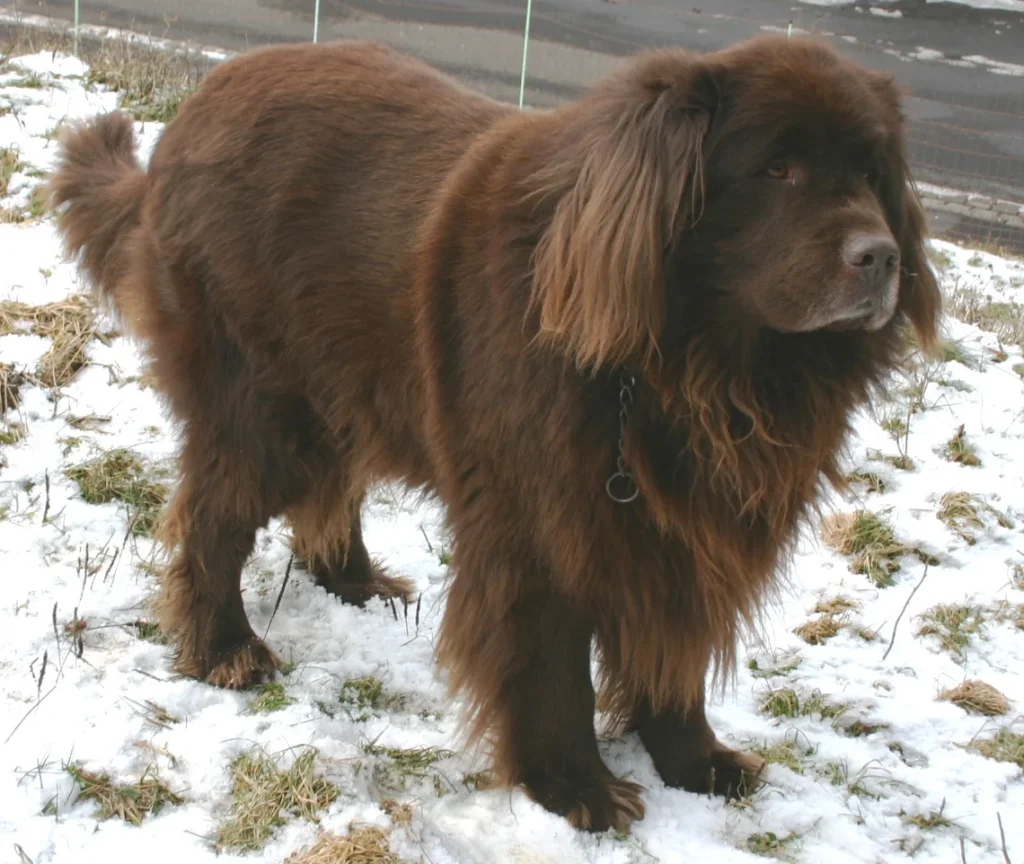
A Newfoundland dog combines an imposing body with a reputation for patience and companionship. The breed’s history in water work explains the powerful build and substantial coat. Before choosing one, it helps to look beyond the gentle-giant image to the logistics of housing, transport, grooming and veterinary care.
Newfoundland Dog at a glance
| Factor | Practical owner expectation |
|---|---|
| Breed type | Giant, heavy-coated working dog |
| Activity | Regular exercise without overexertion |
| Grooming | Dense coat; frequent brushing and significant shedding |
| Best suited to | Owners able to handle giant-dog logistics |
| Plan carefully for | Heat, space, mobility and veterinary costs |
A giant dog changes everyday home design
A Newfoundland may find tight hallways, slippery floors and small vehicles inconvenient. Consider whether your home accommodates turning space, a sizable resting area, grooming tools and safe assistance if the dog has trouble moving later in life. Giant-breed equipment often costs more, and safe lifting may require help.
Coat care and climate
Newfoundlands have thick double coats and can be uncomfortable in high heat. Plan shade, appropriate indoor cooling, frequent grooming and plenty of fresh water. Their working history does not make unsupervised swimming or outdoor exposure safe. Exercise needs and joint health deserve a veterinarian-guided plan appropriate to age and condition.
Newfoundland Dog compared with similar choices
| Breed | Why owners consider it | Important distinction |
|---|---|---|
| Newfoundland | Giant water worker | Size, coat and heat |
| Great Pyrenees | Giant guardian | Boundaries and alert barking |
| Bernese Mountain Dog | Large working companion | Double-coat care and family routine |
The comparison is intended to show meaningful care differences, not rank one breed as better. If you are deciding between Newfoundland Dog and another breed, meet adult dogs and ask about individual behavior, living environment and health history. Breed averages cannot predict every dog.
Everyday checklist before adoption
| Area | Questions to answer before bringing the dog home |
|---|---|
| Routine | Can I provide appropriate activity and companionship every day? |
| Training | Do I have a realistic positive-training and socialization plan? |
| Environment | Can I manage temperature, boundaries and rest space? |
| Grooming | Can I maintain the coat or book qualified grooming help? |
| Health | Do I understand health screening, insurance and veterinary costs? |
Choose gear by measurements rather than breed labels. Record chest circumference for a harness, resting length for a bed and usable entry clearance for any house or crate. Product listings can exaggerate usable space when they report outside dimensions.
Practical equipment for this breed
Begin with a reliable identification tag, a correctly fitted walking setup and a comfortable indoor sleeping place. Add weather-specific equipment only when the climate and individual dog warrant it. Review how to choose the right dog bed, the dog house measurement guide and the winter dog equipment checklist for gear decisions. These guides are not evidence that any particular product was tested by ANIMOX.
Before choosing a puppy or rescue dog
Ask a responsible organization about health records, behavior around people and pets, grooming tolerance and the daily routine the dog currently knows. If considering a puppy, ask for documented health screening relevant to the breed; if adopting an adult, prioritize a realistic description of observed behavior. Meet the dog in more than one context where possible and resist choosing solely from social media photographs.
Measure the household's capacity for a giant companion
Start with the places where size creates practical work: the car, the bathroom, the entrance and the resting area. A home can have plenty of floor space while still being awkward to navigate with a very large dog. Consider whether two people can pass the dog’s bed without stepping over it, whether doors open fully and where wet towels will be kept after an outing.
Plan for situations when the dog cannot do what it usually does. An older or injured dog may need help getting into a vehicle, and an owner should not assume they will be able to lift it alone. Discuss sensible assistance and equipment with a veterinarian when needed. Finding suitable local help before an urgent situation is more useful than buying an oversized accessory without trying it in the actual space.
Make grooming and drying a realistic part of the week
A substantial coat affects how the household manages wet weather, loose hair and laundry. Ask an experienced groomer to explain the intended maintenance routine and how to make handling comfortable for the dog. Brushing should not become an occasional marathon after the coat has already become difficult. Short, regular sessions can make it easier to notice areas needing attention.
Think about drying as well as washing. A large damp cover or towel needs somewhere to dry fully, and a wet dog should have an appropriate resting area afterward. A grooming appointment does not eliminate everyday cleaning work. If the household dislikes hair, moisture or substantial laundry, discuss that honestly before choosing a Newfoundland rather than expecting a single product to solve the mismatch.
Keep affectionate behavior manageable at adult size
A friendly dog can still block a doorway, lean into a visitor or move a child off balance. Teach clear household routines while the dog is young and practice them in ordinary situations. Reward settling in a useful place and arrange introductions so people are not crowded. Supervision remains necessary around children even when a breed is commonly described as gentle.
Do not rely on the dog’s temperament to excuse the absence of boundaries. Visitors may be uncomfortable around large dogs, and not every caregiver will be physically able to manage enthusiastic greetings. A predictable routine lets the dog participate in family life without being repeatedly pushed away after doing something that was encouraged as a puppy.
Treat water-related activities as a separate safety plan
The breed’s association with water does not make every individual a trained water-rescue dog or remove the need for supervision. Assess the specific location, access and conditions, and seek suitable guidance for introducing activities. A photograph of a Newfoundland near a lake is not evidence that an unplanned swim will be safe.
Consider how the dog will enter and leave the area, how it will be managed around other people and what happens afterward. Wet equipment and coat care affect the rest of the day. If a trip requires arrangements the household cannot provide, choose a different activity rather than relying on the breed’s reputation to fill the gap.
Build comfort into ordinary indoor life
Choose a bed by usable dimensions and the dog’s normal resting posture. A tall bolster may reduce the flat area, and an attractive outer size can conceal a smaller sleeping platform. Check how the cover is removed and whether the washing instructions fit your equipment. A practical second cover can be more valuable than decorative extras.
Observe the routes between water, resting areas and outside access. Keep them clear and consider floor grip. For a dog with mobility concerns, ask the veterinarian what adjustments are appropriate. Comfort should be considered throughout the home rather than assigned to one expensive bed while the rest of the environment remains difficult to navigate.
Ask the questions that popularity rarely answers
Speak with people who care for adult Newfoundlands, including those who have managed senior dogs. Ask about transport, grooming, boarding and the tasks that surprised them. Get current local quotes for services sized for a giant dog rather than relying on a generic annual budget.
When meeting a possible companion, discuss handling, previous care and observed behavior in detail. Affection during one visit is encouraging but does not answer all the practical questions. A good match is a household that can maintain the dog’s comfort and daily routine at full adult size, including the inconvenient and ordinary parts of ownership.
Frequently asked questions
Are Newfoundland dogs good family pets?
They can be devoted companions, but giant size, handling and supervision are critical in any home with children.
Do Newfoundlands shed?
Yes. Expect regular coat maintenance and often substantial shedding.
Do Newfoundland dogs need lots of room?
They need enough usable space to move and rest safely; a yard is not a replacement for companionship.
Continue reading on ANIMOX
Reference material and editorial verification
This informational guide does not replace individual veterinary or behavioral advice. No hands-on product testing is claimed.
Daily life with this breed
Living well with this breed is mostly about matching expectations to reality. This dog is typically giant and heavy-coated and is often described as sweet, patient and steady. That profile influences how the dog uses space, how much supervision is needed around visitors and what kind of home routine will feel sustainable.
Exercise and enrichment needs
For most adults of this breed, a good plan includes moderate activity with close attention to heat and joint comfort. Puppies, seniors and dogs with medical issues may need modified routines, so it is always better to tailor activity to the individual dog instead of following a generic internet checklist.
Grooming and home care
Owners should plan for significant coat care and drying time. Grooming is not only cosmetic: it is also a chance to check paws, skin, ears and overall comfort. Comfortable bedding, easy access to water and a predictable routine usually matter more than buying large amounts of gear.
Is this breed a good fit for first-time owners?
That depends less on marketing claims and more on the household’s routine. This breed is generally best in spacious homes prepared for grooming, drool and giant-breed costs. If you are unsure, spend time with adult dogs, speak to breed-specific rescues or clubs and compare the realities of training, grooming and veterinary costs.
Useful gear to think about
Instead of shopping by breed label alone, choose equipment by measurement. On ANIMOX, start with guides to the right dog bed, dog house sizing and seasonal dog gear. For active breeds, a correctly fitted walking setup and supportive resting area are often the best first purchases.
Final takeaway
A great match is about the individual dog, your lifestyle and the support plan you can maintain long term. Research the breed, meet real dogs and prepare your home before making a decision.
Photo: SKern / Wikimedia Commons, CC BY-SA 3.0. Resized and converted to WebP.