On this page
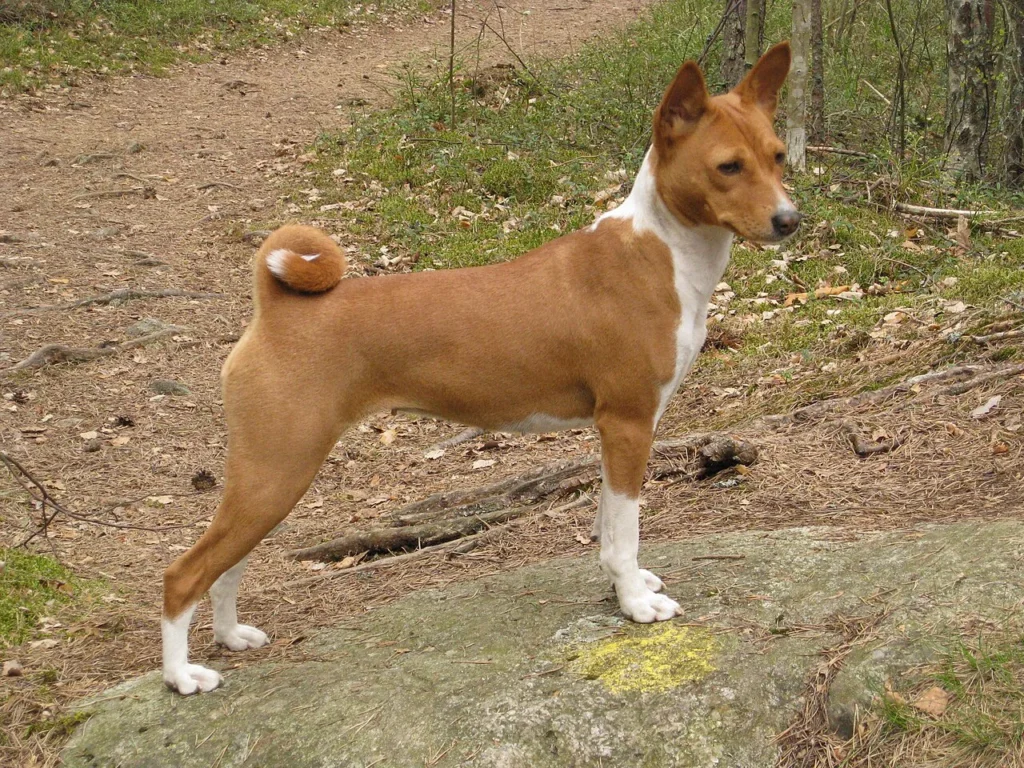
The most famous Basenji dog characteristic is that the breed does not bark in the conventional way. That is interesting—but it is not the most important ownership fact. Basenjis are alert, athletic and independent dogs whose curiosity can be a bigger challenge than their volume.
Basenji Dog at a glance
| Factor | Practical owner expectation |
|---|---|
| Breed type | Compact, independent hunting breed |
| Activity | Lively; secure activity and brain work |
| Grooming | Short coat, self-grooming tendencies |
| Best suited to | Patient households comfortable with independence |
| Plan carefully for | Prey drive, escape security, recall management |
“Barkless” does not mean silent
Basenjis can make distinctive yodel-like vocalizations and other sounds. Living with one still requires tolerance for noise, clear routines and enrichment. Their hunting background can translate into a strong interest in moving animals, scents and escape opportunities. Secure boundaries, appropriately fitted gear and a long-term recall-management plan are critical.
Independence changes the training approach
Expect a dog who may not respond like a people-pleasing retriever. Reward-based training, clear environmental management and interesting activities are better foundations than repeated corrections. A Basenji can be affectionate at home while still making independent decisions outdoors; a secure field is preferable to gambling on off-leash recall near roads.
Basenji Dog compared with similar choices
| Breed | Why owners consider it | Important distinction |
|---|---|---|
| Basenji | Independent, compact hunter | Secure exercise |
| Papillon | Toy companion with athletic ability | Interactive training |
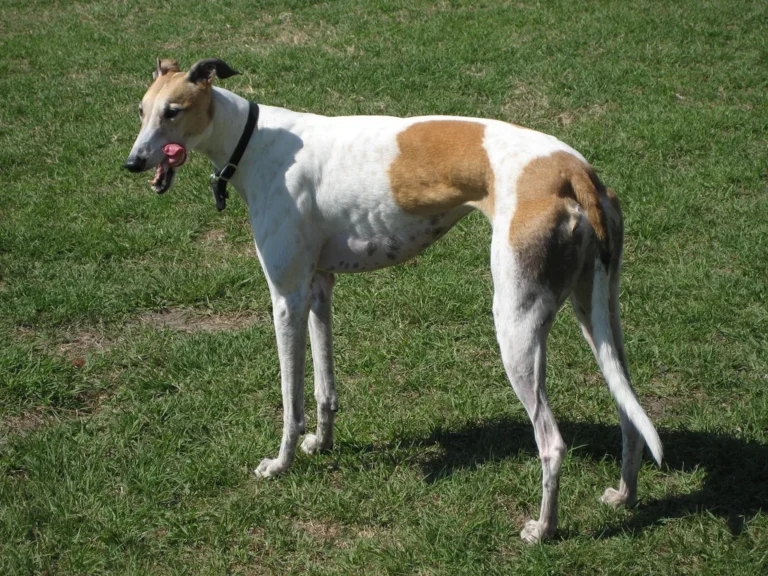
| Greyhound | Larger sighthound | Safe chase outlets |
The comparison is intended to show meaningful care differences, not rank one breed as better. If you are deciding between Basenji Dog and another breed, meet adult dogs and ask about individual behavior, living environment and health history. Breed averages cannot predict every dog.
Everyday checklist before adoption
| Area | Questions to answer before bringing the dog home |
|---|---|
| Routine | Can I provide appropriate activity and companionship every day? |
| Training | Do I have a realistic positive-training and socialization plan? |
| Environment | Can I manage temperature, boundaries and rest space? |
| Grooming | Can I maintain the coat or book qualified grooming help? |
| Health | Do I understand health screening, insurance and veterinary costs? |
Choose gear by measurements rather than breed labels. Record chest circumference for a harness, resting length for a bed and usable entry clearance for any house or crate. Product listings can exaggerate usable space when they report outside dimensions.
Practical equipment for this breed
Begin with a reliable identification tag, a correctly fitted walking setup and a comfortable indoor sleeping place. Add weather-specific equipment only when the climate and individual dog warrant it. Review how to choose the right dog bed, the dog house measurement guide and the winter dog equipment checklist for gear decisions. These guides are not evidence that any particular product was tested by ANIMOX.
Before choosing a puppy or rescue dog
Ask a responsible organization about health records, behavior around people and pets, grooming tolerance and the daily routine the dog currently knows. If considering a puppy, ask for documented health screening relevant to the breed; if adopting an adult, prioritize a realistic description of observed behavior. Meet the dog in more than one context where possible and resist choosing solely from social media photographs.
Understand what barkless does and does not promise
The Basenji’s unusual voice is part of its appeal, but the word barkless should not be interpreted as silent. Ask the adoption organization or breeder what sounds the individual dog makes and when they occur. An apartment resident should investigate ordinary separation, visitor and excitement behavior rather than choosing the breed solely to satisfy a wish for a quiet pet.
Record the situations that matter in your own home: shared walls, hallway traffic, a doorbell and periods when no one is present. A general description cannot establish how one dog will respond to that combination. Discuss realistic expectations with the people who already know the animal and avoid treating one calm meeting as proof of how the dog behaves all day.
Make security part of the room arrangement
Look at doors, gates, windows and the way visitors enter. A household can reduce preventable opportunities for escape by arranging a clear entry routine before the dog arrives. Tell caregivers which doors must be closed and where the lead is stored. This is more dependable than assuming an alert, agile dog will always wait politely while someone carries shopping inside.
Outdoor boundaries require inspection too. A fence is only as useful as its construction, condition and the way it is managed. Identify gaps, climbable objects and gates that can be left open. Ask experienced Basenji owners or the rescue about suitable arrangements, but assess the actual property rather than applying a generic fence-height rule from an online discussion.
Use rewards and cooperation instead of a contest of wills
An independent dog still needs clear teaching, opportunities to succeed and rewards it values. Short sessions can help an owner notice whether the dog understands the task or is simply disengaging. Avoid repeatedly asking for the same behavior in a difficult setting and then interpreting the lack of response as a personal challenge.
Practice useful household skills in easy situations, including coming away from a doorway, settling while people are busy and accepting routine handling. Seek reward-based professional help if training becomes frustrating. The description catlike may capture some owners’ impressions, but it is not a substitute for learning how the individual dog responds to encouragement and management.
Consider prey drive when planning everyday outings
Speak openly about resident cats, small animals and the wildlife encountered on the usual route. Compatibility and safe handling need individual assessment. A quiet dog indoors may become intensely interested in movement outside. Plan secure exercise and appropriate walking equipment rather than relying on an informal recall trial near animals the dog might chase.
Choose routes where the handler has enough space to respond to distractions. A walk that repeatedly pushes the dog beyond its current skills may be less useful than a quieter route combined with training. Explain the handling plan to every caregiver, especially anyone who assumes a compact dog will be easy to hold or catch if it gets loose.
Plan rest and alone time as deliberately as activity
A comfortable bed, predictable daily transitions and opportunities for quiet rest belong alongside exercise. If the dog will regularly spend time away from its owners, discuss how that will be introduced and who can help during the adjustment. A crate should not be selected simply as an answer to anticipated mischief without considering whether the dog is comfortable with confinement.
Ask the rescue what the dog currently does when people leave and what support has been useful. If distress is observed, seek suitable help rather than assuming the dog needs tougher equipment or more punishment. A realistic care arrangement includes a response to difficulties, not just an optimistic description of what the owner hopes will happen.
Ask for records and support, not just a breed label
For a puppy, request documented health screening relevant to the breeding dogs and discuss it with your veterinarian. For an adult, ask about the available medical history and any ongoing care. A breed’s general reputation for cleanliness or independence does not remove ordinary preventive-care responsibilities.
Meet adult Basenjis where possible and talk to people who manage them in homes similar to yours. Ask what surprised them after the first year and which arrangements made daily life easier. Practical answers about gates, walking, handling and support are more informative than a list of amusing personality adjectives. Choose the individual dog only when the household is prepared for those daily details.
Frequently asked questions
Do Basenji dogs bark?
They are known for not producing a typical bark, but they do vocalize in other ways.
Are Basenjis easy to train?
They can learn well but may be independent; patient reward-based teaching and management are essential.
Are Basenjis suitable for apartments?
Potentially, if secure exercise, enrichment and individual behavior fit the household.
Continue reading on ANIMOX
Reference material and editorial verification
This informational guide does not replace individual veterinary or behavioral advice. No hands-on product testing is claimed.
Daily life with this breed
Living well with this breed is mostly about matching expectations to reality. This dog is typically small-to-medium, fine-boned and athletic and is often described as independent, clever and cat-like. That profile influences how the dog uses space, how much supervision is needed around visitors and what kind of home routine will feel sustainable.
Exercise and enrichment needs
For most adults of this breed, a good plan includes daily enrichment, walks and secure exploration. Puppies, seniors and dogs with medical issues may need modified routines, so it is always better to tailor activity to the individual dog instead of following a generic internet checklist.
Grooming and home care
Owners should plan for very low coat maintenance. Grooming is not only cosmetic: it is also a chance to check paws, skin, ears and overall comfort. Comfortable bedding, easy access to water and a predictable routine usually matter more than buying large amounts of gear.
Is this breed a good fit for first-time owners?
That depends less on marketing claims and more on the household’s routine. This breed is generally best in patient homes prepared for independence and escape prevention. If you are unsure, spend time with adult dogs, speak to breed-specific rescues or clubs and compare the realities of training, grooming and veterinary costs.
Useful gear to think about
Instead of shopping by breed label alone, choose equipment by measurement. On ANIMOX, start with guides to the right dog bed, dog house sizing and seasonal dog gear. For active breeds, a correctly fitted walking setup and supportive resting area are often the best first purchases.
Final takeaway
A great match is about the individual dog, your lifestyle and the support plan you can maintain long term. Research the breed, meet real dogs and prepare your home before making a decision.
Photo: Niko Herlin / Wikimedia Commons, CC BY 2.0. Resized and converted to WebP.