On this page
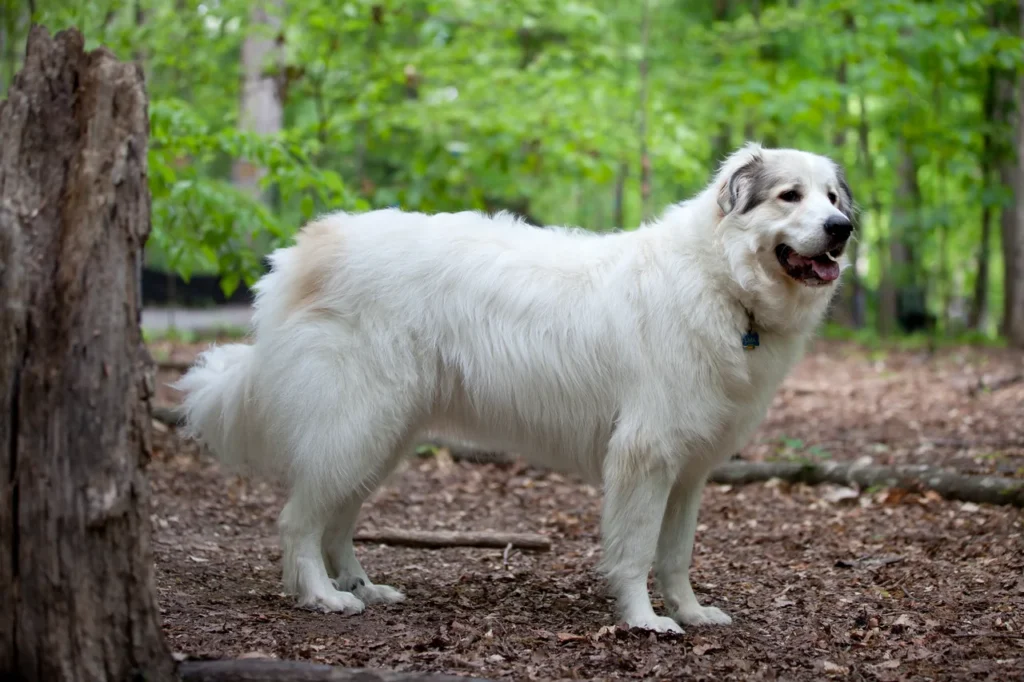
The phrase “Pyrenees dog” usually refers to the Great Pyrenees, also called the Pyrenean Mountain Dog. This large, white livestock guardian was developed for independent decision-making in open country. That heritage matters at home: the dog may be devoted to its family while remaining alert, territorial or inclined to patrol.
Great Pyrenees Dog at a glance
| Factor | Practical owner expectation |
|---|---|
| Breed type | Large livestock guardian |
| Activity | Moderate physical pace; strong guarding instincts |
| Grooming | Thick double coat with substantial shedding |
| Best suited to | Households ready for independence and boundaries |
| Plan carefully for | Alert barking, roaming, secure fencing and climate |
A guardian is not the same as a protection-trained pet
Great Pyrenees dogs are often independent, which can surprise people expecting instant obedience or quiet suburb life. Early socialization and respectful reward-based training help, but do not erase guarding instincts. Nighttime barking and attempts to roam can be significant management issues. Before adoption, consider neighbors, fencing, gates and the ability to keep the dog safely indoors as part of the family.
Warm weather and very thick coats
A dense double coat requires grooming and thoughtful heat management. Do not assume a winter-oriented working history makes the breed comfortable in hot, humid conditions. Provide cool indoor rest, shade and fresh water; ask a veterinarian about individual heat risk rather than choosing a dog house as a substitute for safe shelter.
Great Pyrenees Dog compared with similar choices
| Breed | Why owners consider it | Important distinction |
|---|---|---|
| Great Pyrenees | Guardian with independent judgment | Secure boundaries and noise plan |
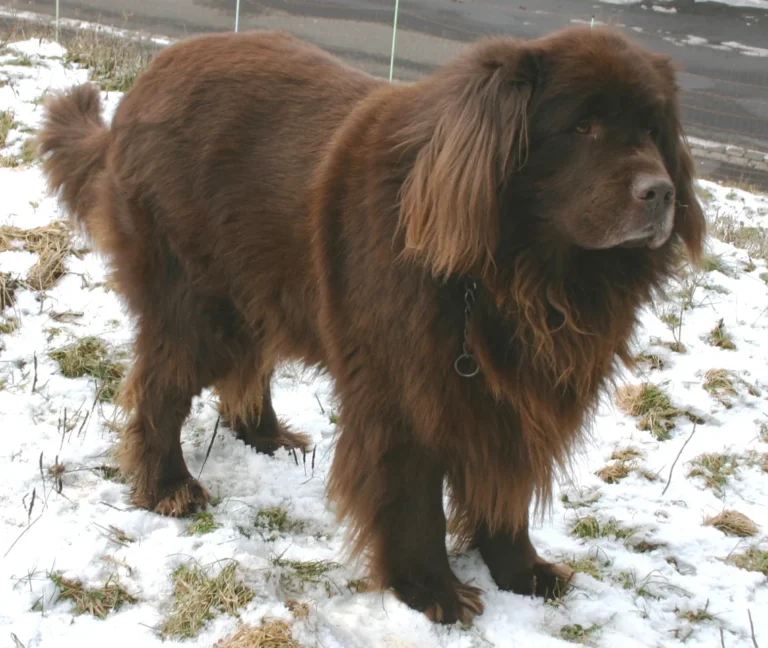
| Newfoundland | Giant water-working dog | Grooming and space |
| Samoyed | Social northern working breed | Exercise and coat care |
The comparison is intended to show meaningful care differences, not rank one breed as better. If you are deciding between Great Pyrenees Dog and another breed, meet adult dogs and ask about individual behavior, living environment and health history. Breed averages cannot predict every dog.
Everyday checklist before adoption
| Area | Questions to answer before bringing the dog home |
|---|---|
| Routine | Can I provide appropriate activity and companionship every day? |
| Training | Do I have a realistic positive-training and socialization plan? |
| Environment | Can I manage temperature, boundaries and rest space? |
| Grooming | Can I maintain the coat or book qualified grooming help? |
| Health | Do I understand health screening, insurance and veterinary costs? |
Choose gear by measurements rather than breed labels. Record chest circumference for a harness, resting length for a bed and usable entry clearance for any house or crate. Product listings can exaggerate usable space when they report outside dimensions.
Practical equipment for this breed
Begin with a reliable identification tag, a correctly fitted walking setup and a comfortable indoor sleeping place. Add weather-specific equipment only when the climate and individual dog warrant it. Review how to choose the right dog bed, the dog house measurement guide and the winter dog equipment checklist for gear decisions. These guides are not evidence that any particular product was tested by ANIMOX.
Before choosing a puppy or rescue dog
Ask a responsible organization about health records, behavior around people and pets, grooming tolerance and the daily routine the dog currently knows. If considering a puppy, ask for documented health screening relevant to the breed; if adopting an adult, prioritize a realistic description of observed behavior. Meet the dog in more than one context where possible and resist choosing solely from social media photographs.
Treat guardian behavior as a management responsibility
A Great Pyrenees may be attractive because of its calm appearance and impressive coat, yet a guardian background deserves serious thought. Ask how the individual dog reacts to people arriving, activity beyond a fence and unfamiliar animals. A rural property and a close suburban neighborhood can create very different situations. The owner remains responsible for boundaries and visitor arrangements even when the dog’s behavior is understandable in light of its history.
Do not select a guardian breed as a substitute for property security planning or expect it to decide independently which visitors are welcome. Set up clear routines for deliveries, tradespeople and guests. Suitable gates and separation can help the household manage arrivals calmly while training develops. A dog who is uncertain about an encounter should not be pushed into a greeting for the sake of proving friendliness.
Talk about barking before it becomes a neighbor dispute
Find out when the dog is most alert and what noises or movement draw its attention. Ask the rescue for concrete examples from its current environment. A description such as quiet indoors may not tell you what happens at a fence line or overnight. Consider how the home’s location, neighbors and daily schedule fit the individual dog rather than assuming that a large garden resolves the question.
If noise tolerance is limited, discuss that before adoption. A responsible placement may be a different individual or a different type of dog. Punishing alert behavior without a plan for the underlying environment is unlikely to create the calm household the owner imagined. Seek appropriate training support and build routines that make expected behavior clearer.
Inspect boundaries and entry points at full adult scale
Measure gates, doorway clearances and the route between the house and vehicle. A dog of this size can make weak or awkward equipment inconvenient very quickly. Choose hardware and management arrangements for the actual animal and property. A fence’s appearance from the street says little about gaps, loose panels or gates used by visitors.
Arrange an entry routine so the dog is secure before a large gate or garage door opens. Explain it to household members and occasional caregivers. This matters when deliveries, repairs or school routines create frequent movement. Practical prevention is more useful than relying on everyone to remember to react quickly after the dog approaches an opening.
Make coat care a workable household task
Identify a space where brushing and drying can happen comfortably. Ask for a demonstration of coat care and handling, especially if an adult dog has not been comfortable with grooming. A thick coat can require substantial time and drying arrangements after wet weather. Schedule maintenance before it becomes an uncomfortable, lengthy session that the dog and owner both dread.
Discuss coat changes, skin problems or proposed clipping with an appropriate professional rather than assuming a dramatic haircut is the best response to summer weather. Provide a suitable environment and adapt activity to the individual dog. A thick coat is not a guarantee that the animal is comfortable in every climate or can be left outdoors without adequate care.
Plan for the logistics of a very large companion
Think about assistance if the dog becomes unable to climb into the car or navigate the usual route outside. Check the vehicle arrangement before an urgent veterinary visit is needed. Suitable boarding, grooming and dog-walking help may require advance booking, particularly if the dog has specific handling needs.
At home, keep a comfortable sleeping area where the dog can get up without being crowded by furniture. Use actual resting dimensions rather than an oversized-looking product photograph. A low, accessible entry and manageable washing routine may matter more than decorative bolsters. A giant dog deserves ordinary comfort indoors, not simply a large outdoor structure assigned as its permanent home.
Recognize the difference between a companion placement and livestock work
A breed’s historical role does not establish that any particular dog is ready to guard livestock. Training, experience, environment and the animals involved all matter. If working use is intended, seek experienced guidance and make the purpose clear to the source organization. A general pet-care article cannot provide a livestock-introduction protocol.
For a companion home, judge the match by the life the dog will actually lead. Ask about its relationships with people and animals, comfort with handling and ability to rest in the proposed household. The right placement combines respect for the dog’s background with a realistic plan for supervision, boundaries and daily care.
Frequently asked questions
Is a Pyrenees dog the same as a Great Pyrenees?
In most U.S. searches, yes. Great Pyrenees is the common American name for the Pyrenean Mountain Dog.
Do Great Pyrenees bark at night?
Alert barking can be part of their guardian behavior; management and housing decisions matter.
Can a Great Pyrenees live in a hot place?
Individual heat risk and safe cooling arrangements must be considered carefully with veterinary guidance.
Continue reading on ANIMOX
Reference material and editorial verification
This informational guide does not replace individual veterinary or behavioral advice. No hands-on product testing is claimed.
Daily life with this breed
Living well with this breed is mostly about matching expectations to reality. This dog is typically very large, heavy-coated guardian and is often described as calm, watchful and independent. That profile influences how the dog uses space, how much supervision is needed around visitors and what kind of home routine will feel sustainable.
Exercise and enrichment needs
For most adults of this breed, a good plan includes moderate walks plus secure outdoor access. Puppies, seniors and dogs with medical issues may need modified routines, so it is always better to tailor activity to the individual dog instead of following a generic internet checklist.
Grooming and home care
Owners should plan for heavy coat care and seasonal shedding. Grooming is not only cosmetic: it is also a chance to check paws, skin, ears and overall comfort. Comfortable bedding, easy access to water and a predictable routine usually matter more than buying large amounts of gear.
Is this breed a good fit for first-time owners?
That depends less on marketing claims and more on the household’s routine. This breed is generally best in homes with space, fencing and tolerance for alert barking. If you are unsure, spend time with adult dogs, speak to breed-specific rescues or clubs and compare the realities of training, grooming and veterinary costs.
Useful gear to think about
Instead of shopping by breed label alone, choose equipment by measurement. On ANIMOX, start with guides to the right dog bed, dog house sizing and seasonal dog gear. For active breeds, a correctly fitted walking setup and supportive resting area are often the best first purchases.
Final takeaway
A great match is about the individual dog, your lifestyle and the support plan you can maintain long term. Research the breed, meet real dogs and prepare your home before making a decision.
Photo: HeartSpoon / Wikimedia Commons, CC BY-SA 4.0. Resized and converted to WebP.