On this page
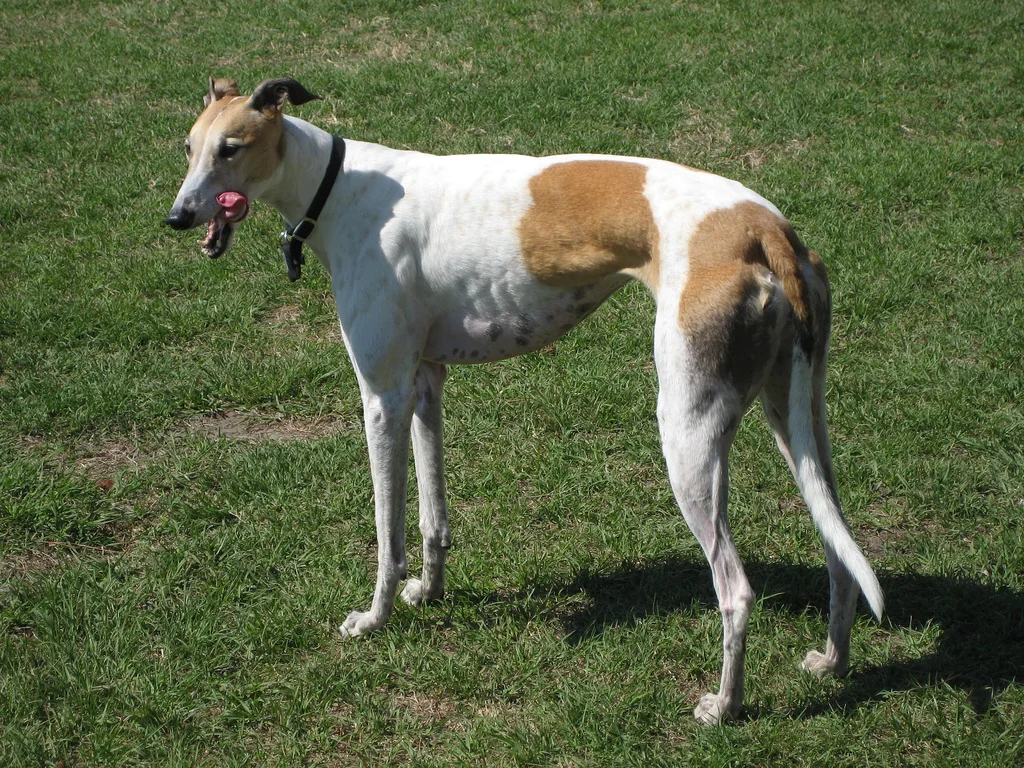
A Greyhound dog is visually defined by long legs and speed, but daily life with a Greyhound can be surprisingly quiet. Many enjoy resting at home between regular walks and occasional bursts of activity. That combination makes the breed easy to romanticize; in reality, safe exercise and reliable management of chase instincts are key.
Greyhound Dog at a glance
| Factor | Practical owner expectation |
|---|---|
| Breed type | Tall, lean sighthound |
| Activity | Short energetic bursts; restful periods at home |
| Grooming | Short smooth coat; temperature-aware care |
| Best suited to | Calm homes prepared for secure exercise |
| Plan carefully for | Prey drive, thin body padding, safe fenced outings |
The sprinting dog that appreciates a soft place to rest
Greyhounds are sighthounds. Moving animals and open spaces may trigger quick pursuit, so dependable fencing and lead management matter. A Greyhound should not be expected to resist a tempting chase through obedience alone. At home, their bony build often benefits from a generously sized soft but supportive resting surface. Measure the dog while stretched out; an ordinary bed listed for a similar weight may be too short.
Adoption and adjustment
Some Greyhounds enter homes through retired-racing or rescue programs, while others have different backgrounds. Ask about the individual dog’s experience with stairs, household noises, other pets and alone time. Do not assume all retired racers have the same temperament. Build an adjustment routine patiently and review safe collar and harness fitting with the adoption organization.
Greyhound Dog compared with similar choices
| Breed | Why owners consider it | Important distinction |
|---|---|---|
| Greyhound | Tall, lean and fast | Secure running and supportive bed |
| Whippet | Smaller sighthound | Still needs safe chase outlets |
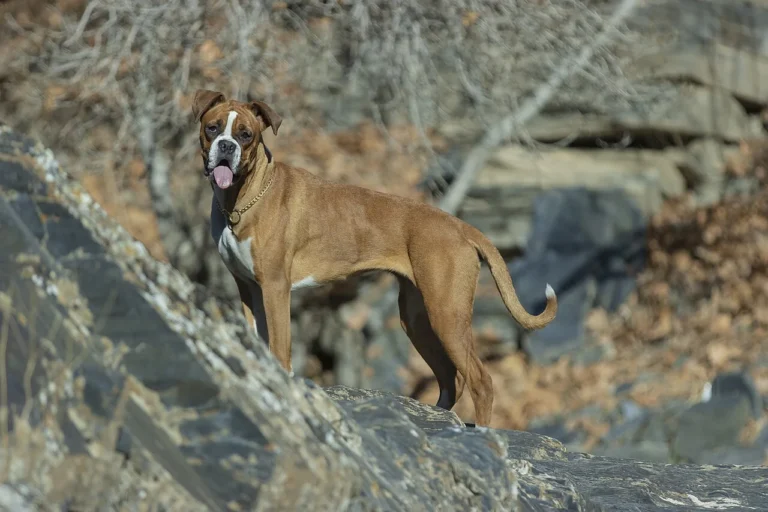
| Boxer | Heavier, muscular build | More interactive daily activity |
The comparison is intended to show meaningful care differences, not rank one breed as better. If you are deciding between Greyhound Dog and another breed, meet adult dogs and ask about individual behavior, living environment and health history. Breed averages cannot predict every dog.
Everyday checklist before adoption
| Area | Questions to answer before bringing the dog home |
|---|---|
| Routine | Can I provide appropriate activity and companionship every day? |
| Training | Do I have a realistic positive-training and socialization plan? |
| Environment | Can I manage temperature, boundaries and rest space? |
| Grooming | Can I maintain the coat or book qualified grooming help? |
| Health | Do I understand health screening, insurance and veterinary costs? |
Choose gear by measurements rather than breed labels. Record chest circumference for a harness, resting length for a bed and usable entry clearance for any house or crate. Product listings can exaggerate usable space when they report outside dimensions.
Practical equipment for this breed
Begin with a reliable identification tag, a correctly fitted walking setup and a comfortable indoor sleeping place. Add weather-specific equipment only when the climate and individual dog warrant it. Review how to choose the right dog bed, the dog house measurement guide and the winter dog equipment checklist for gear decisions. These guides are not evidence that any particular product was tested by ANIMOX.
Before choosing a puppy or rescue dog
Ask a responsible organization about health records, behavior around people and pets, grooming tolerance and the daily routine the dog currently knows. If considering a puppy, ask for documented health screening relevant to the breed; if adopting an adult, prioritize a realistic description of observed behavior. Meet the dog in more than one context where possible and resist choosing solely from social media photographs.
Arrange secure movement before relying on recall
The attraction of watching a Greyhound run should not lead to an improvised off-leash trial. Identify suitable, genuinely secure exercise options and follow guidance from the adoption organization or trainer. A large open space is not necessarily an enclosed one. Check gates, boundaries and access rules in person rather than judging safety from an aerial map or a reassuring name such as dog field.
For everyday walks, fit the recommended equipment to the individual dog and learn how to use it correctly. A slim head and neck can make fit particularly important. Ask the rescue to demonstrate the arrangement it uses, including any suitable backup connection. Do not treat a collar or harness size label as proof that the dog cannot reverse out of it when startled.
Understand the individual dog's previous environment
Some adopted Greyhounds arrive with experience that differs from an ordinary family home. Ask what the dog already knows about stairs, glass doors, household noise, car travel and being left alone. An unfamiliar object can be confusing without indicating a permanent behavioral problem. Introduce one manageable situation at a time rather than showing the dog every room and inviting several visitors on the first evening.
Give the dog clear walking routes and an obvious resting place. If a surface or staircase is difficult, seek appropriate guidance rather than dragging or repeatedly lifting the dog through the situation. A predictable environment allows the owner to notice progress and identify where help is needed. Instructions from a knowledgeable adoption organization are more useful than assumptions based on a racing stereotype.
Treat sleep and personal space seriously
A resting Greyhound may take up more length than its narrow standing outline suggests. Measure the dog stretched out and leave room for normal repositioning. Keep the bed away from an unavoidable walking route so people do not have to step over the dog. A quiet location should still fit the household’s normal pattern rather than isolating the dog unnecessarily.
Teach visitors and children to leave a sleeping dog undisturbed. Invite the dog to move or interact when appropriate instead of reaching suddenly into its resting space. Ask the rescue about any observed sleep or handling sensitivities in the individual animal. That information helps establish sensible routines without portraying every Greyhound as identical.
Make introductions to other animals carefully
Compatibility with a resident dog, cat or other animal cannot be determined from appearance or a general breed description. Discuss the specific placement with the organization and follow an appropriate introduction plan. A dog who has behaved calmly in one controlled meeting may still need management in a different setting. Separate resting and feeding arrangements can help the household avoid unnecessary pressure during the transition.
Do not use a chase incident as an informal test of whether the dog can live with smaller animals. Prevent situations that could put another animal at risk. If the household includes species the dog has not encountered, explain that clearly before adoption. The most useful decision may be to select a different individual whose documented experience better matches the home.
Plan clothing and transport around proportions
A deep chest and comparatively slim waist can make generic clothing charts misleading. Check the intended garment’s measuring points and whether it allows normal movement and toileting. A coat should be selected for the dog and conditions, not because every photograph of a Greyhound shows one. Remove and inspect garments as part of normal care rather than leaving them on solely for convenience.
In a vehicle, account for standing and turning room as well as length. Introduce the travel setup calmly and secure it according to the relevant instructions. Think about boarding or veterinary visits before an urgent trip is necessary. A plan for ordinary logistics makes it easier to maintain the dog’s routine when household circumstances change.
Look for a sustainable rhythm
Some owners are drawn to descriptions of a couch-loving sprinter and overlook the need for companionship, suitable exercise and training. Others imagine an endurance athlete and plan a routine that does not suit the individual dog. Ask the rescue what a normal day currently looks like, then adapt it gradually with professional advice where needed.
Keep track of comfort, recovery and the dog’s ability to settle. The aim is not to prove a stereotype correct but to establish a dependable pattern of movement and rest. A Greyhound is a better match when the owner appreciates both its athletic body and the practical responsibilities of secure handling and a comfortable home.
Frequently asked questions
Are Greyhounds lazy?
Many enjoy long periods of rest, but they still need appropriate exercise and enrichment.
Can Greyhounds live with cats?
Some can, but prey-drive differences require individual assessment and careful introductions.
Do Greyhounds need special beds?
Their lean build often makes comfortable padding useful. Prioritize actual sleeping posture and support rather than a label.
Continue reading on ANIMOX
Reference material and editorial verification
This informational guide does not replace individual veterinary or behavioral advice. No hands-on product testing is claimed.
Daily life with this breed
Living well with this breed is mostly about matching expectations to reality. This dog is typically large, tall and lean and is often described as gentle, sensitive and often calm indoors. That profile influences how the dog uses space, how much supervision is needed around visitors and what kind of home routine will feel sustainable.
Exercise and enrichment needs
For most adults of this breed, a good plan includes daily walks plus secure opportunities for sprinting. Puppies, seniors and dogs with medical issues may need modified routines, so it is always better to tailor activity to the individual dog instead of following a generic internet checklist.
Grooming and home care
Owners should plan for short low-maintenance coat. Grooming is not only cosmetic: it is also a chance to check paws, skin, ears and overall comfort. Comfortable bedding, easy access to water and a predictable routine usually matter more than buying large amounts of gear.
Is this breed a good fit for first-time owners?
That depends less on marketing claims and more on the household’s routine. This breed is generally best in calm homes that can provide soft bedding and safe exercise areas. If you are unsure, spend time with adult dogs, speak to breed-specific rescues or clubs and compare the realities of training, grooming and veterinary costs.
Useful gear to think about
Instead of shopping by breed label alone, choose equipment by measurement. On ANIMOX, start with guides to the right dog bed, dog house sizing and seasonal dog gear. For active breeds, a correctly fitted walking setup and supportive resting area are often the best first purchases.
Final takeaway
A great match is about the individual dog, your lifestyle and the support plan you can maintain long term. Research the breed, meet real dogs and prepare your home before making a decision.
Photo: Neurodoc / Wikimedia Commons, CC BY-SA 3.0. Resized and converted to WebP.