On this page
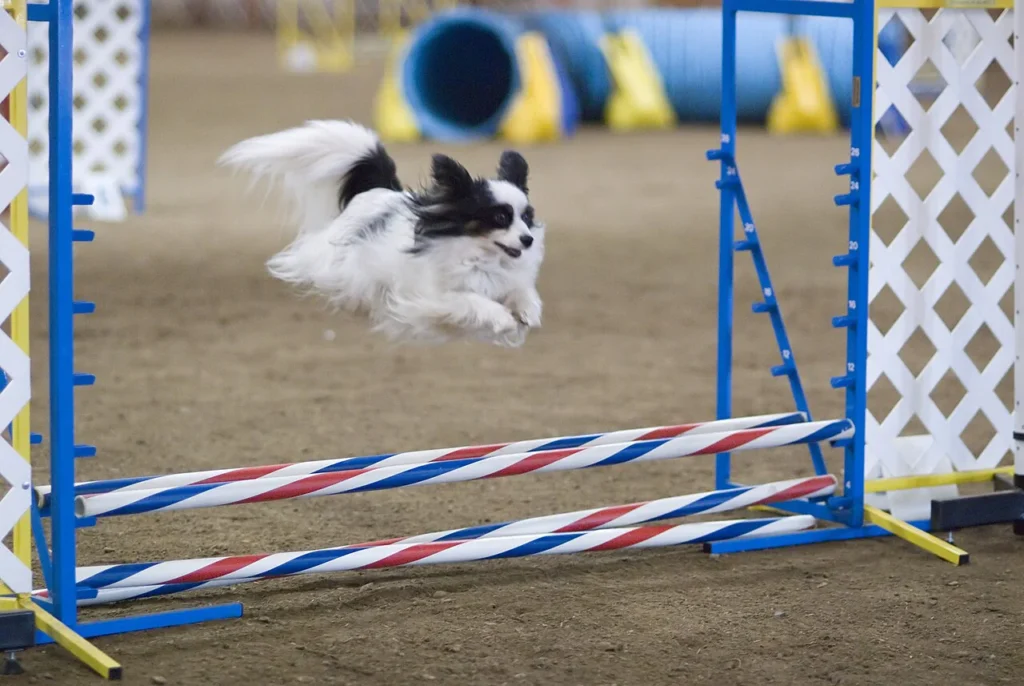
Small dog breeds are not all low-energy lap dogs. A Papillon can be a lively training partner; a Havanese often enjoys close company; a Pembroke Welsh Corgi is a compact herding dog rather than a delicate toy breed. Choosing a smaller dog should mean thinking about exercise, handling, coat care and living arrangements—not assuming every little dog behaves the same way.
Small breed comparison at a glance
| Breed | Size category | Typical character to plan for | Grooming consideration |
|---|---|---|---|
| Papillon | Toy | Alert and energetic | Feathered coat; regular brushing |
| Havanese | Small companion | Social and people-oriented | Long coat needs consistent maintenance |
| Scottish Terrier | Small terrier | Independent and determined | Distinctive coat often needs specialized trimming |
| Pembroke Welsh Corgi | Small/medium in height | Active herding background | Thick double coat; shedding |
| Basenji | Small/medium | Independent, curious and athletic | Short coat; enrichment needed |
Height is not the same as care effort
A small dog can have considerable endurance, a strong prey drive or a persistent voice. Papillons often appreciate active games and training. Scottish Terriers may have strong opinions about unfamiliar dogs or squirrels. Corgis are short-legged but physically capable and need regular activity. The right home is determined by temperament and routines, not weight alone.
Apartment life, children and household logistics
Think about elevator access, stairs, slippery tile, balcony gaps and safe travel. A lightweight dog is easier to lift, but injury can occur if a child drops or mishandles them. Set up a quiet resting place and teach children to allow dogs to leave an interaction. Introductions with other pets should be controlled and gradual; never assume two small dogs will automatically get along.
Compare the real owner commitments
| Question | Why it matters | What to do |
|---|---|---|
| How active is this individual? | Small breeds may be energetic | Meet adults; discuss enrichment |
| How noisy is the home? | Some dogs alert bark readily | Plan positive training and management |
| How much grooming time? | Long or double coats need maintenance | Budget tools or professional appointments |
| Can the dog rest undisturbed? | Small dogs need boundaries too | Provide a stable bed away from traffic |
| Will they wear coats? | Body shape and weather matter | Measure chest, back and harness access |
Comfort and gear for smaller dogs
A bed should be supportive without creating an entrance the dog must climb over. Avoid choosing a giant bolster bed simply because it looks cozy. If cold-weather apparel is relevant, fit matters much more than a generic “small dog” label. Compare practical details in our winter coats for small dogs guide and the dog bed selection guide.
Separate portable size from an easy daily routine
A dog who can be carried still needs opportunities to walk, explore and make choices. Carrying a small dog through every unfamiliar situation can hide the fact that the environment is overwhelming. Start with enough distance from busy traffic or larger dogs that the small dog can observe without being crowded. An owner can offer support without making every outing an exercise in physical restraint.
Think about your own route. A narrow apartment hallway, a crowded elevator and a sidewalk outside a school may be more important than the square footage of your living room. Plan where you can step aside and how you will prevent strangers from picking up the dog. A small body is not permission for other people to ignore the dog’s signals. Children need the same clear rules about leaving a resting or eating dog alone as they would around a large breed.
Compare coat maintenance before comparing cute haircuts
Two dogs of similar weight can have very different grooming costs. A long Havanese coat needs a different maintenance plan from a Corgi’s shedding coat or a Scottie’s trimmed furnishings. Ask a groomer what the proposed coat length requires between appointments. A short practical style may be easier for your household than a show-style coat, but it still needs regular attention to tangles, eyes, ears and paws.
Look at the parts of the dog that touch the ground after a wet walk. Long chest hair and feathering may carry moisture or debris indoors. Set up a reachable drying area rather than relying on repeated full baths. When comparing bedding, removable covers and simple seams may make routine care easier. A miniature bed with a decorative canopy is not automatically more useful than a plain washable surface that lets the dog stretch out.
Make the house safe at the dog's eye level
Walk through the home looking at gaps beside gates, spaces under furniture and the way doors close. Equipment designed for a larger dog may leave a small dog room to slip through. Furniture access also deserves a plan: a dog who repeatedly asks to be lifted onto a sofa may benefit from a stable alternative, or from a comfortable bed placed nearby. Any steps or ramp should be suitable for the individual dog’s ability and introduced calmly.
Food preparation is another practical issue. Keep medication, dropped snacks and household chemicals out of reach rather than assuming they are safe because the dog is short. Secure a small carrier in the vehicle according to its instructions; a person holding a dog on their lap is not a substitute for a suitable travel setup. Before buying a carrier, compare its internal dimensions and ventilation with the dog’s actual standing and resting posture.
A small-breed comparison that helps narrow the choice
If companionship is the main attraction, investigate how the individual dog copes with periods apart. If you like training activities, ask what kinds of rewards and sessions keep that dog engaged. If a quiet home is essential, learn about barking in the actual environment rather than expecting every small breed to behave alike. An energetic Papillon and a determined Scottish Terrier can both be compact while asking very different things of their owners.
For households with an older resident dog, arrange introductions with professional or rescue support when appropriate. Size alone does not determine whether two dogs will be compatible. Consider play style, recovery time and access to separate resting places. Give the smaller dog an escape from unwanted social contact, and give the larger dog clear boundaries rather than expecting either animal to resolve every disagreement alone.
Prepare a practical first shopping list
Begin with an identification setup, a measured walking arrangement, a secure travel option and a washable place to sleep. Buy additional clothing only after observing the dog and considering the weather. Thick fabric, decorative buckles or a large tag can be cumbersome on a small frame. Clothing should leave normal movement and toileting possible rather than simply matching a photograph online.
Keep a short record of fit: collar setting, harness chest measurement and carrier dimensions. These details make replacement purchases easier and reduce the temptation to choose the same size label across unrelated brands. Reassess them as a puppy grows or an adult dog’s body condition changes. A good small-dog setup should be comfortable to use every day, easy to clean and simple enough that every household member can put it on correctly.
Questions worth asking the adoption organization
Request examples of the dog’s behavior during grooming, handling, visitor arrivals and walks near traffic. Ask what the dog currently eats, where it sleeps and what happens when it is left alone. These answers help plan the transition without assuming that a friendly meeting predicts every situation. For a puppy, ask who will provide guidance if training or grooming proves harder than expected. Choose a care commitment you can maintain when the novelty of a tiny companion has worn off.
Make a caregiver handover easy to follow
Write a short note explaining how the dog is handled, which walking equipment fits and where it can rest without being disturbed. Include any existing veterinary instructions separately from general preferences. A sitter should not have to infer whether the dog is comfortable being lifted or how it behaves in an elevator simply because the breed is small. Demonstrate the routine once, especially if the dog wears a garment under a harness or uses a particular carrier. Clear instructions reduce repeated adjustments and keep care consistent when the usual owner is away.
Frequently asked questions
Are small dogs easier to care for?
Not automatically. They may use less space, but training, veterinary care, enrichment and grooming remain significant commitments.
Which small breed is best for apartment life?
Choose based on an individual dog’s behavior, exercise needs and noise tolerance, not breed size alone.
Do small dogs need coats?
Some may benefit in cold, wet conditions depending on coat, age and health. Fit and comfort matter; ask your veterinarian about unusual cold sensitivity.
Continue reading on ANIMOX
Reference material and editorial verification
This informational guide does not replace individual veterinary or behavioral advice. No hands-on product testing is claimed.
Why small dog breeds are not always low-maintenance
Small dog breeds can be easier to transport and may fit comfortably in smaller living spaces, but they still need routine, training and mental stimulation. A small dog that becomes anxious, vocal or under-exercised can be difficult to live with, even if the dog weighs only a few kilograms.
What to compare before choosing a small breed
Look at coat type, trainability, noise sensitivity, confidence around visitors and the breed’s tolerance for being left alone. Some small dogs thrive as close companion animals, while others behave like compact working dogs that still need outlets for energy and curiosity.
Equipment that matters for small dogs
Choose a bed with low, easy access, a secure harness sized to the chest rather than the breed name and a crate that allows the dog to stand, turn and rest naturally. If you are shopping for comfort items, ANIMOX guides to dog beds and daily walking gear can help you think in measurements rather than marketing labels.
Final takeaway
The ideal small dog breed is the one that fits your household rhythm, grooming tolerance and training style—not just your available floor space.
Photo: Ron Armstrong from Helena, MT, USA / Wikimedia Commons, CC BY 2.0. Resized and converted to WebP.