On this page

The term “hypoallergenic dog breeds” is popular, but it can lead to a costly misunderstanding. No breed is guaranteed to be allergen-free. People can react to allergens found in dog dander, saliva and other sources; shedding alone does not determine whether someone will have symptoms. Think of the lists below as possible starting points for a careful decision, not as an allergy guarantee.
Breeds commonly considered by allergy-sensitive households
| Breed or type | Coat trait | Important limitation |
|---|---|---|
| Poodle | Low-shedding curly coat | Regular grooming; allergens still present |
| Havanese | Long, relatively low-shedding coat | Needs brushing; reactions vary |
| Portuguese Water Dog | Curly or wavy coat | Active breed, not simply an allergy solution |
| Miniature Schnauzer | Coarse coat with routine trimming | Training and grooming commitment |
| American Hairless Terrier | Hairless variety | Skin care required; not allergen-free |
| Chinese Crested | Hairless and coated varieties | Different skin and grooming needs |
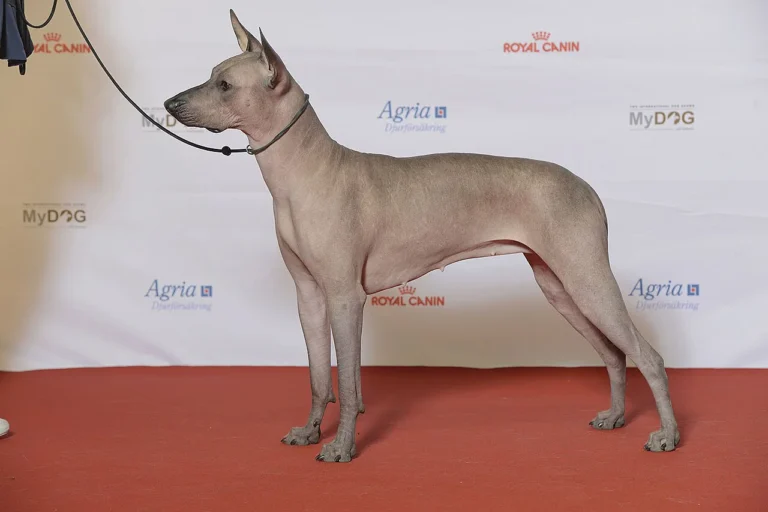
| Xoloitzcuintli | Hairless and coated varieties | Skin protection and individual temperament matter |
Why low shedding does not mean zero allergens
Fur visible on a sofa is not a precise measure of exposure. Allergens can spread through skin flakes and saliva, and even a dog with little coat may trigger symptoms. Similarly, a high-maintenance coat might trap more loose hair but require more grooming time. If someone in the household has asthma or significant allergies, consult an allergy clinician before committing to a dog. Spend time with individual dogs in realistic settings where possible.
An evidence-minded checklist before adoption
| Step | Useful action | Do not assume |
|---|---|---|
| 1. Health discussion | Ask a qualified allergy clinician about risks | Breed label is a medical clearance |
| 2. Exposure trial | Meet the individual dog on more than one occasion | One short visit predicts lifetime tolerance |
| 3. Home routine | Plan cleaning, ventilation and bedroom boundaries | One filter solves all symptoms |
| 4. Grooming | Budget coat or skin care as appropriate | Hairless means maintenance-free |
| 5. Rescue plan | Agree on a responsible fallback if symptoms are severe | A dog can be returned casually without consequences |
Choosing for temperament as well as allergies
A Miniature Schnauzer is not a substitute for a Havanese just because both appear on a “hypoallergenic” list. Dogs differ in activity, barking, companionship needs and trainability. Evaluate the full care commitment before choosing a breed. The best match is a dog your household can care for responsibly and live with safely.
What about a completely hairless dog?
Hairless breeds can still release allergens and often need careful skin protection in sun, cold and irritating conditions. Skin products should be selected with veterinary advice, especially for dogs with known sensitivities. The hairless category deserves its own decision guide because coat care is only one part of ownership.
Turn a breed search into a household decision
Before meeting prospective dogs, make a list of the household routines that could change. Who normally washes bedding? Which rooms are shared with a person who has symptoms? Who would brush the dog if that activity is uncomfortable for the allergic household member? These are practical planning questions, not a treatment plan. Take the medical questions to a qualified clinician rather than asking a breeder or groomer to decide whether exposure will be safe.
It also helps to separate two decisions that are often bundled together: whether the household can live with a dog, and which dog’s care needs are manageable. A low-shedding coat does not make an active working breed suitable for a home that cannot provide its routine. Conversely, an appealing temperament does not resolve a significant allergy concern. Both questions need an answer before adoption, and the answer may be that this is not the right time to bring a dog home.
Ask for observations rather than an allergy promise
When speaking with a rescue or breeder, ask about the individual dog’s grooming tolerance, coat maintenance and current living arrangement. Avoid treating descriptions such as allergy-friendly or suitable for sensitive owners as medical guarantees. Ask what those words mean in the seller’s own practice. A statement that another family had no problem cannot predict a different person’s response.
Keep notes from meetings so that you can discuss the experience clearly with your clinician. A visit that feels comfortable is useful information, but it is not a clearance certificate for a lifetime of exposure. A new home contains its own fabrics, ventilation and routines, and the responsibilities continue after the first few days. Do not use an extended home trial as an unsupervised medical experiment when someone has a history of significant symptoms.
Design a cleaning routine that someone will actually maintain
Examine the equipment from a washing and drying perspective. A dog bed might have a removable cover but still contain a large insert that cannot be washed in the household machine. A sofa throw is only helpful if there is a practical place to clean and dry it. Choose a small number of manageable textiles rather than filling every room with decorative pet blankets.
Decide where brushes, towels and spare covers will be stored, and who will maintain them. The goal is a routine that can be repeated on an ordinary workday. Keeping a simple cleaning log may reveal that an elaborate plan is not sustainable before you commit to additional purchases. These organizational steps are not promises to control allergy symptoms; they make the care workload easier to evaluate honestly.
Compare grooming commitments without ranking breeds as cures
A Poodle-style clipped coat, long Havanese hair and a hairless dog’s skin-care needs are different responsibilities. Ask a qualified groomer how often the intended style needs professional attention and what must happen between visits. Include handling practice in the plan so the dog can become comfortable with ordinary care. Choosing a short haircut does not turn grooming into a task that can be ignored indefinitely.
For an adult rescue, ask whether the coat shown in photographs reflects its normal condition or a recent clip after neglect. That distinction affects what the dog may look like later and how much ongoing work will be involved. Choose the individual dog with a clear understanding of maintenance, not just a label used in an online search result.
Recognize expensive claims that do not answer the real question
An expensive puppy, an unusual crossbreed name or a photograph of spotless furniture does not establish medical suitability. The same applies to a seller’s claim that a particular generation or coat texture is guaranteed not to cause reactions. Ask for clear information about the dog, and keep health decisions separate from the sales conversation. There is no reason to pay a premium solely for an unsupported allergy guarantee.
If the household ultimately decides against adoption, that is a responsible outcome rather than a failed search. An alternative way to enjoy animals should also be discussed with the clinician when allergies are significant. Do not assume that a different animal, a short visit or an outdoor meeting is automatically suitable. The purpose of this guide is to improve the questions being asked, not to promise a route around a person’s medical limitations.
Prepare support before a commitment is made
Discuss the adoption organization’s return or support process in advance, including how welfare would be protected if the placement became unsuitable. Keep the conversation practical and respectful: a dog should not face repeated moves because its coat was marketed as a certainty. A considered decision includes the humans’ health, the dog’s temperament and the routine the household can maintain over years, not only how hopeful everyone feels during the first meeting.
Frequently asked questions
Is any dog 100% hypoallergenic?
No. Even low-shedding and hairless dogs can produce allergens, and reactions differ between people and individual animals.
Are hairless dogs better for allergies?
Not necessarily. A lack of coat does not remove allergens carried in skin or saliva.
Can grooming eliminate dog allergies?
Grooming can help manage loose coat and household cleanliness, but it does not guarantee allergen elimination.
Should I choose a breed based only on allergies?
No. Include medical advice, temperament, exercise, skin or coat care, and a long-term care plan.
Continue reading on ANIMOX
Reference material and editorial verification
Asthma and Allergy Foundation of America: pet allergies
This informational guide does not replace individual veterinary or behavioral advice. No hands-on product testing is claimed.
What “hypoallergenic dog breeds” really means
No dog breed is completely allergen-free. The term hypoallergenic is usually used to describe breeds that may release less loose hair or dander into the environment, or breeds with coat types that can be easier for some households to manage. Reactions vary from person to person, so spending time with an adult dog before adoption is essential.
How to reduce allergens in real life
Regular grooming, frequent cleaning, washable dog bedding and good airflow can matter as much as breed choice. Households with allergy concerns should also think about where the dog will sleep, how often fabrics will be washed and whether a grooming schedule is realistic.
Choosing a dog when allergies are part of the decision
Start with personality and lifestyle, then compare coat maintenance and time around the breed. A breed that technically sheds less may still be a poor fit if the grooming routine is unrealistic. Pair this research with practical comfort planning such as a washable resting area and easy-to-clean accessories.
Final takeaway
Choose a breed based on both your allergy management plan and your ability to meet that dog’s daily needs.
Photo: Tim Wilson from Blaine, MN, USA / Wikimedia Commons, CC BY 2.0. Resized and converted to WebP.