On this page
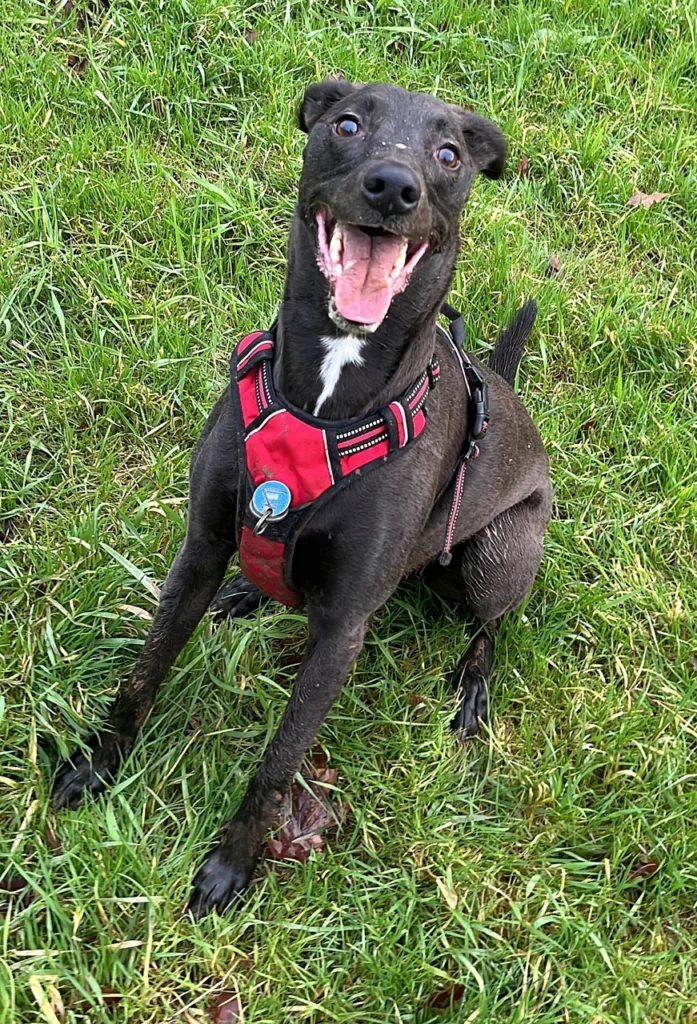
A dog harness should be chosen for a particular dog’s body shape and walking habits, not simply for its color or a label such as “no-pull.” A secure fit is the foundation: the harness should not rub behind the front legs, restrict shoulder movement, press on the throat or slide over the head when the dog backs away. Measure the dog rather than shopping by breed name alone.
Dog harness styles compared
| Harness style | Potential advantage | Check carefully |
|---|---|---|
| Back-clip | Simple lead attachment for many relaxed walkers | Control if the dog pulls strongly |
| Front-clip | Can help redirect pulling during training | Fit and range of shoulder movement |
| Dual-clip | Versatile connection points | Complexity and secure setup |
| Step-in | May suit some dogs reluctant to pull gear over the head | Escape security and strap positioning |
| High-visibility | Extra visibility in low light | Visibility does not replace fit or safe handling |
Measure chest and neck before buying
Measure the widest part of the rib cage just behind the front legs and the base of the neck where the harness sits. Compare those measurements against the specific manufacturer’s chart. When trying the harness on, it should sit snugly without digging into skin or preventing a normal stride. A two-finger check can be a starting point, but the real test is movement and escape resistance. Inspect the position while the dog turns, sits and walks backward.
What a harness cannot do by itself
A front attachment can change leverage, but it cannot replace loose-leash training, enrichment, reward timing or appropriate management. Dogs with persistent pulling, fear or reactivity may benefit from a qualified force-free trainer. If a dog has neck, shoulder or orthopedic issues, ask the veterinarian whether a particular harness design is suitable.
Five-step fitting walkthrough
| Step | Check |
|---|---|
| 1 | Measure chest and neck; read that brand’s size guide |
| 2 | Adjust on a standing dog without pinching |
| 3 | Check free forward shoulder motion and elbow clearance |
| 4 | Apply gentle directional pressure to assess escape risk |
| 5 | Recheck after coat trimming, weight changes and growth |
Matching equipment to different dogs
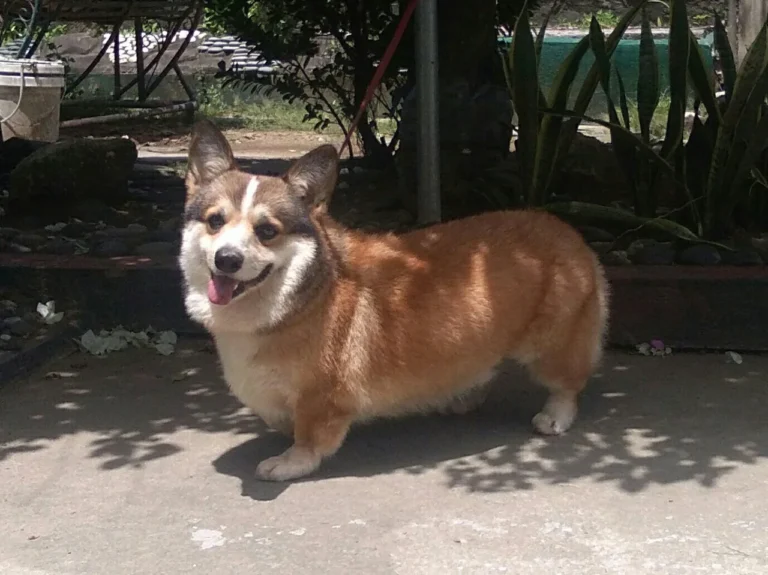
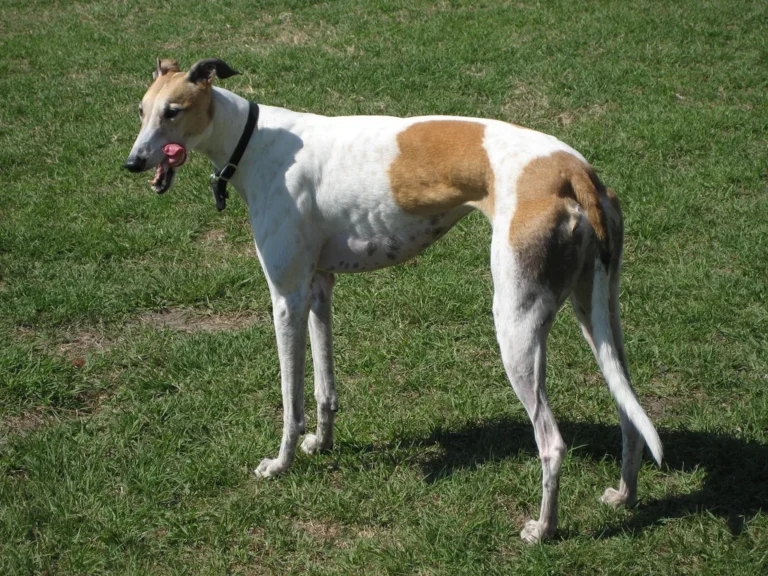
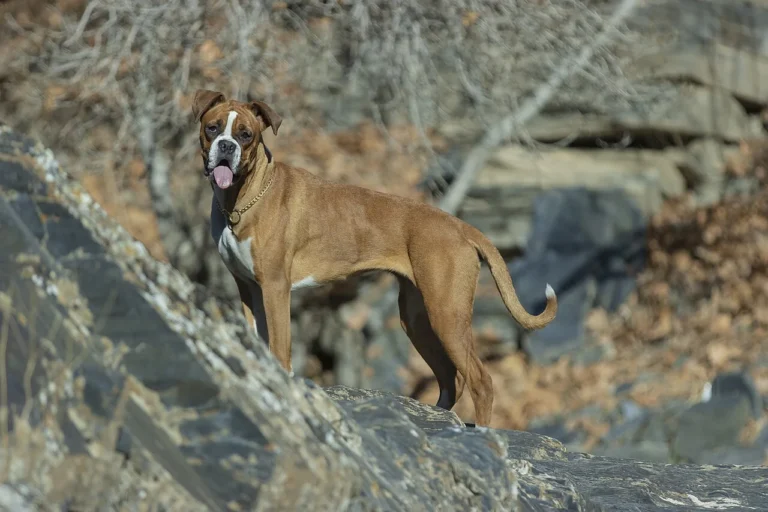
A deep-chested Greyhound may need a fit that differs from a compact Boxer or small Papillon. Very fluffy coats can disguise rubbing points and alter how tight a strap feels. Puppies may outgrow their gear quickly. For winter walks, make sure the harness still fits over a coat or use a coat designed for harness access; see our small-dog coat fitting guide.
Understand what an attachment point changes
A rear attachment, a front attachment and a dual-clip arrangement change how the leash connects to the harness. They do not turn the equipment into a complete training plan. Before choosing among them, consider who walks the dog, where the route goes and what handling skills that person has. Someone managing a dog in a quiet garden faces a different situation from a caregiver navigating crowded sidewalks.
For a dog who lunges, panics or has a history of slipping out of equipment, seek individual guidance from a qualified professional. Buying a design described as no-pull or escape-proof is not proof that the problem has been solved. Equipment should support a practical handling plan rather than encourage someone to attempt situations they cannot safely manage.
Read the size chart as a set of measurements
Use the measuring points shown by the manufacturer. A chest measurement taken too far forward can put the dog in the wrong size, even when the number itself was read accurately. Measure over a suitable coat condition and note whether the chart describes the dog’s body or the finished garment. If a winter coat will be worn under the harness, consult the instructions rather than simply tightening it over every additional layer.
Pay attention to adjustment limits. Two sizes may overlap on a chart, but one may leave more useful room to fit the chest while placing the neck opening correctly. Look at return policies before removing labels or using the harness outdoors. A careful indoor fitting is easier than trying to return dirty equipment that never fitted properly.
Watch movement instead of relying on a single fit slogan
The familiar finger-space check is only one observation. Look at where straps sit when the dog walks, lowers its head and turns. Notice whether the harness rotates, bunches behind the legs or moves toward the throat. A still photograph can miss these changes. A good fitting process includes ordinary movement, not just a tight tape-measure reading.
Use brief practice sessions and reward calm participation. Some dogs find an over-the-head opening uncomfortable or worrying; a design with a different fastening arrangement may be easier to introduce. Forcing the dog through a small opening can make future walks harder to start. If handling causes distress or the dog shows signs of pain, pause and seek appropriate help rather than treating resistance as stubbornness.
Distinguish walking gear from vehicle restraint
A harness designed for everyday walking is not automatically a crash-tested vehicle restraint. If car safety is part of the purchase, look for specific evidence about the exact model and how it must be used. A strong-looking strap or a metal clip does not establish crash performance. Follow the vehicle and equipment instructions, and avoid improvised connections that have not been designed for that purpose.
The same distinction applies to lifting handles. A handle can have several intended uses, and the manufacturer may not intend it to support the dog’s full weight. Dogs needing mobility assistance may require a different type of equipment and professional guidance. Choose a tool for the actual job instead of assuming every extra strap adds another safe function.
Make a short observation log after the first walks
Note the walking conditions, any adjustment changes and where the harness moved. Look at the skin and coat in contact areas as part of normal care. If rubbing appears, investigate fit, material and use rather than automatically making every strap tighter. Wet or muddy equipment should be cleaned and dried according to the care label before the next outing.
For puppies, add refitting to the routine. Growth can change fit before the harness looks visibly small. An adult dog’s measurements can also change with body condition, grooming or clothing. Keep a record of the current settings so that another caregiver does not reset the harness by guesswork each time it is used.
Compare the details that affect daily convenience
Check how easy buckles are to operate, whether the lead attachment is accessible and how long the harness takes to dry. A household walking a dog several times daily may value simple cleaning more than a decorative fabric finish. Reflective material can help visibility in some conditions, but it does not replace route planning or the need to be seen by other road users.
Consider the dog as well as the human. A bulky harness may be inconvenient on a small frame, while an awkward buckle position can become frustrating during grooming or clothing changes. The most useful purchase is equipment that fits the individual dog, can be used consistently and has instructions everyone in the household understands.
Introduce the harness without making every trial a long walk
Set out the equipment in a quiet room and allow time for the dog to become comfortable with the process. A short successful fitting followed by rest can be more useful than repeatedly putting the harness on and immediately heading into a stressful environment. Keep the initial route manageable so adjustments can be evaluated without also negotiating an unusually busy outing.
Record what the dog can comfortably do while wearing it, including normal walking and sniffing. A product can look neat while still being unsuitable for the dog’s proportions. If it fails the practical trial, choose a different design rather than accepting chronic twisting or restriction because the color and price were appealing.
Frequently asked questions
Is a front-clip harness better for pulling?
It may help redirect a pulling dog, but fit and training are essential; it does not teach loose-leash walking on its own.
How tight should a dog harness be?
Secure but not constricting. You should be able to check comfortably beneath straps without allowing the dog to back out.
Can a harness hurt a dog’s shoulders?
Poorly positioned straps can interfere with movement or rub. Observe the dog walking and consult a professional if problems persist.
Can a harness replace an ID tag?
It should not. Keep identification current using a tag and microchip, regardless of walking equipment.
Continue reading on ANIMOX
Reference material and editorial verification
This informational guide does not replace individual veterinary or behavioral advice. No hands-on product testing is claimed.
How to choose a dog harness by fit, not hype
A dog harness should support safe control without restricting natural movement. The best option depends on body shape, walking style and training stage. A poorly fitted harness can rub, shift or encourage escape, so chest measurement matters more than brand claims.
When a harness is especially useful
Harnesses are often helpful for puppies, small breeds, brachycephalic dogs and dogs learning lead skills. They can also be useful when a dog needs a secure everyday walking setup. However, a harness is not a shortcut around training.
Final takeaway
Measure the dog carefully, test adjustment points and watch for freedom of movement before deciding on a harness.
Photo: Houndmanphotography / Wikimedia Commons, CC BY-SA 4.0. Resized and converted to WebP.