“Heated” and “insulated” describe different features. Insulation aims to reduce heat transfer through a shelter; a heating pad adds an active heat source. Some listings combine both. This comparison uses the specifications currently available for two insulated dog house products and focuses on what a buyer can verify, without naming an overall winner or claiming hands-on test results.
Two different approaches in the current catalog
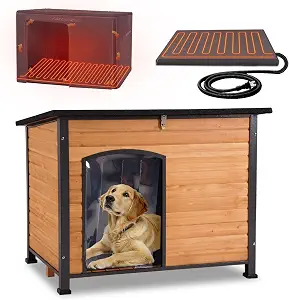
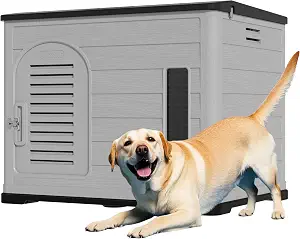
The GUTINNEEN Heated Insulated Dog House is listed with a thermostat-controlled heating pad, a six-sided thermal liner, and a metal frame. The Diyokai Insulated XL Dog House is listed as a double-layer plastic shelter with an elevated floor, an open-top cover, and a lockable sliding door. These are manufacturer or merchant listing details. ANIMOX has not independently measured their thermal performance.
Compare usable size before features
The Diyokai source title lists exterior dimensions of 46 × 38 × 39 inches. That does not establish the space available inside. The ANIMOX record for the GUTINNEEN model does not include a reliable interior size. Ask the merchant for interior and doorway measurements for both products, then compare those figures against your dog’s measurements and preferred resting position.
Active heat changes the checklist
A heating pad requires a suitable power setup and careful attention to the manufacturer’s electrical and outdoor-use instructions. Check the pad’s specifications, cable protection, cleaning procedure, and replacement options. Passive double-wall insulation avoids an electrical component, but it still requires sensible placement, ventilation, dryness, and an appropriate size. Neither feature should be treated as a guarantee of safety in extreme conditions.
Cleaning and seasonal use
Look at how easily you can remove bedding, inspect the floor, and dry the interior after rain or cleaning. Confirm whether a liner is removable, whether roof or top panels open, and whether vents can remain clear in every season. A shelter positioned in direct summer sun can become uncomfortable regardless of winter features, so consider shade and airflow as well as cold-weather protection.
Which questions should decide?
- Does your dog fit the verified interior and doorway dimensions?
- Can you place the shelter on dry, stable ground with suitable ventilation?
- If using heat, can you meet the electrical installation and maintenance instructions?
- Are the materials, cleaning access, and replacement parts suitable for your routine?
- Are current price, stock, and return terms acceptable on the merchant site?
Use our buying guide for a full sizing and placement checklist, or read the GUTINNEEN desk review for a closer look at the listed heated features. Product pages link to merchants; this editorial comparison does not include direct purchase links. ANIMOX may earn a commission from merchant links on those product pages.