On this page
Do orthopedic dog beds really help? For many dogs, yes, but within limits. A well-chosen supportive bed can improve resting comfort, especially for older dogs or dogs who struggle to settle on hard floors. It does not cure arthritis, reverse joint disease, or replace veterinary care. The real benefit comes from good construction: supportive foam, the right firmness, enough space, and an entry height your dog can manage.
This guide covers what orthopedic dog beds can realistically do, where the evidence is thin, how foam density and thickness affect support, and how to choose a bed that suits your dog’s age, size, and health.
What the Evidence Can and Can’t Tell Us
Be careful with marketing claims. Published research comparing specific dog bed types is limited, and many product claims rest on general principles of pressure relief rather than controlled studies in dogs. That doesn’t make orthopedic beds useless. It means the honest claim is about comfort and support, not measurable medical outcomes.
What we can reasonably say:
- A thicker, supportive surface keeps bony areas such as hips, elbows, and shoulders off hard flooring.
- Compare how the foam and filling retain their shape over time; construction and care vary by product.
- Veterinary guidance on caring for dogs with reduced mobility often includes comfortable, well-padded resting areas as part of home adjustments.
What we can’t reasonably say is that a bed will reduce pain, slow arthritis, or substitute for prescribed treatment. If a product promises those results, treat it as a red flag.
How Orthopedic Dog Beds Support Comfort
Supportive foam spreads body weight across a wider area, so fewer pressure points carry the load. That can make lying down, resting, and standing up more comfortable. Results still depend on foam quality, thickness, firmness, your dog’s size, and how they like to sleep.
Pressure Distribution
Foam spreads weight so hips, elbows, and shoulders aren’t pressed against a hard floor.
Easier Transitions
A stable, supportive surface can make getting up and lying down feel less awkward than on a soft, sinking cushion.
Buffer From Hard Floors
Thick foam adds a layer between your dog and cold tile, hardwood, or concrete.
Consistent Shape
Compare how the actual foam or filling retains its shape; durability depends on construction, use, and care.
Foam Density, Thickness, and Firmness Explained
Three specifications separate a genuinely supportive bed from a decorative cushion. Many listings leave out at least one, so knowing what to ask for helps.
A quick home check: press your palm firmly into the center of the bed. If you can easily feel the floor beneath, a heavy dog will likely compress it too.
Memory Foam vs Regular Dog Beds
Memory foam conforms to your dog’s shape and responds slowly to pressure. Other high-density foams, sometimes called support foam, may feel firmer and bounce back faster. Neither is automatically better. The right choice depends on your dog’s weight, mobility, and preferences.
The label “orthopedic” alone is not proof of quality. A thin layer of shredded foam inside a fabric shell may carry the same label as a solid, thick slab. Check construction and dimensions rather than marketing claims.
Orthopedic Beds for Senior Dogs
Older dogs often benefit most from supportive bedding because they may spend more time resting and can find movement harder. The features that matter most for seniors are practical rather than plush:
- Low entry height: A dog with stiff joints shouldn’t have to climb over a tall bolster or step up onto a high platform.
- Stable base: A non-slip bottom keeps the bed from sliding on hard floors as your dog steps on or off.
- Supportive, not sinking: A bed that sinks excessively can be difficult for a dog with reduced mobility to push up from.
- Room to stretch: Many older dogs prefer lying flat on their side, which needs more space than curling up.
- Washable cover: Removable, machine-washable covers make routine cleaning manageable.
- Waterproof liner: Useful if your dog has occasional accidents, since moisture can damage foam.
Placement matters as well. Put the bed somewhere quiet but within the household’s routine, away from drafts, and preferably near the spots where your dog already chooses to rest.
Can a Bed Help a Dog With Arthritis?
A comfortable resting surface can form part of a broader home-comfort plan for a dog with arthritis or joint stiffness. It is a comfort measure, not a treatment.
Home adjustments that often accompany supportive bedding include rugs or runners on slippery floors, ramps or steps for furniture and cars, and keeping food, water, and rest areas on one level. Your veterinarian can advise on which adjustments suit your dog and on medical options such as weight management, exercise plans, or medication.
How to Choose the Right Orthopedic Dog Bed
Use this checklist before buying:
- Measure your dog while resting. Measure from nose to tail base while they’re stretched out, then add some extra room so they aren’t hanging off the edge.
- Check foam thickness and weight guidance. Confirm the foam core thickness separately from the bolsters, and make sure your dog falls within the stated weight range.
- Ask about density. If it isn’t listed, contact the seller. Missing specifications are worth noting.
- Consider a waterproof liner. It protects the foam from spills, drool, and accidents.
- Prioritize easy cleaning. Look for removable, washable covers with sturdy zippers.
- Think about temperature. Dogs who overheat may prefer breathable materials or a cooler cover fabric.
- Match the shape to sleeping style. Curlers often like bolsters; sprawlers usually prefer a flat mattress style.
Matching Bed Style to Sleeping Position
- Side sleepers and sprawlers: Flat, rectangular mattress beds with generous length.
- Curlers: Beds with low bolsters that offer something to lean against without blocking entry.
- Dogs who lean or rest their heads: One or more bolster sides can serve as a headrest.
Signs Your Dog May Need Better Bedding
Certain behaviors can suggest your dog isn’t comfortable with their current bed, although these behaviors do not diagnose a condition:
- Repeatedly changing positions or getting up and resettling
- Avoiding their current bed altogether
- Choosing softer surfaces such as couches, rugs, or your bed
- A visibly flattened or lumpy bed where you can feel the floor through it
- Seeming stiff after rest, which is also a reason to check with your veterinarian
Edge Cases Worth Considering
Large and Giant Breeds
Heavier dogs compress foam more, so thickness and density matter most here. A bed rated for smaller dogs may flatten quickly under a large breed’s weight.
Puppies and Chewers
Exposed foam can be a chewing hazard. For dogs who chew, a durable cover and supervision are important, and an expensive foam bed may be better introduced once chewing is under control.
Dogs Who Run Hot
Memory foam can hold warmth. Breathable covers, layered designs, or placing the bed away from heat sources may help a dog who pants or moves to cool floors.
Incontinence
A waterproof liner under a washable cover can be useful. Foam that absorbs urine is difficult to clean and may need replacing.
Frequently Asked Questions
Are orthopedic beds only for older dogs?
No. Dogs of any age may enjoy a supportive surface, particularly larger dogs and dogs who spend a lot of time on hard floors.
Is thicker always better?
No. Stability and suitable firmness matter more than height alone. A very tall bed can be harder for a stiff dog to get onto.
Will a bed treat joint disease?
No. A bed is a comfort measure. Joint concerns need veterinary assessment and treatment.
How long does an orthopedic bed last?
It varies with foam quality, your dog’s weight, and use. Replace the bed when it stays compressed, feels lumpy, or no longer keeps your dog off the floor.
Will my dog use the new bed right away?
Not always. Placing it in a favorite spot and adding a familiar blanket can help your dog accept it.
Summary: Do Orthopedic Dog Beds Really Help?
Orthopedic dog beds can genuinely improve resting comfort when they’re built with supportive foam, sized correctly, and matched to your dog’s mobility and sleeping style. Their limits are just as important to understand: they don’t cure arthritis, the “orthopedic” label guarantees nothing, and research on specific bed types is limited. Choose based on construction, density, thickness, entry height, and cleanability, and involve your veterinarian if you notice pain or stiffness.
Next step: Measure your dog while they rest tonight, note how they like to sleep, and use the checklist above to compare options.
Existing beds to compare by construction
Affiliate disclosure: ANIMOX may earn a commission through eligible merchant links, at no extra cost to you. These are catalog examples, not products we have physically tested.
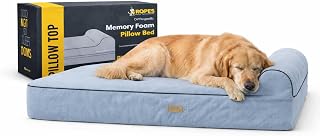
Memory foam example
The California Dreaming Memory Foam Bed is listed as a memory foam model. Verify the foam thickness, usable sleeping area, cover care and entry height with the merchant. The name alone does not demonstrate pain relief or medical benefit.
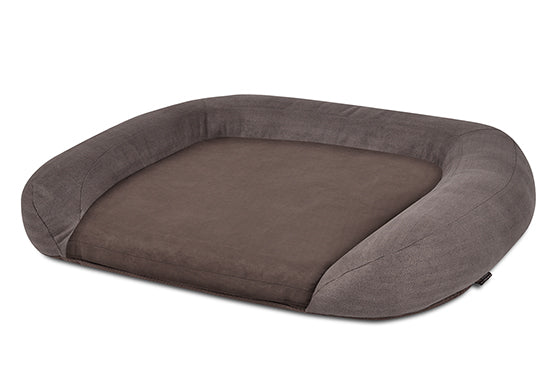
A softer alternative to compare
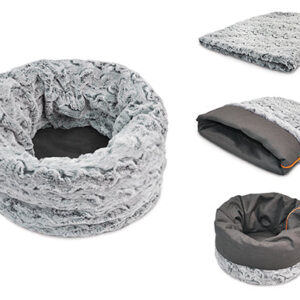
The Snuggle Bed offers a different soft-bed format. It is not presented here as an orthopedic foam mattress. Compare its fill and entry arrangement with the foam example, rather than treating all comfortable beds as equivalent.
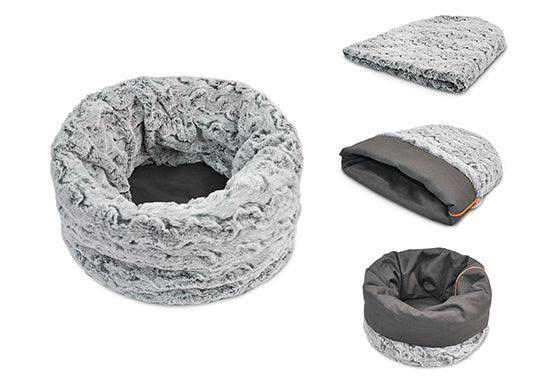
Our best dog beds guide compares additional everyday sleeping formats.
An additional orthopedic-labeled catalog option
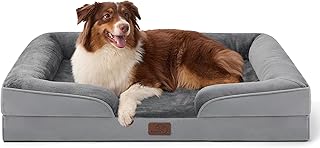
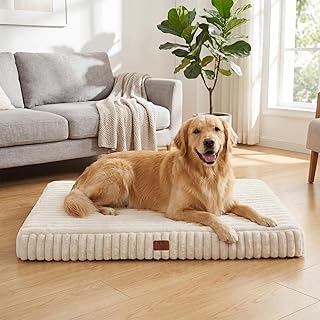
Bedsure Original Design orthopedic dog bed — Large provides a different catalog option from the memory-foam and plush examples above. The stored listing identifies the Large version; do not substitute the Medium version or assume the external dimensions equal the usable sleeping area. Confirm the foam construction, washable components, and entry height on the exact merchant listing. The word orthopedic does not establish clinical effectiveness.
The VCA guidance on living with osteoarthritis includes supportive bedding among home adjustments. It does not establish that these catalog examples treat arthritis. Compare dimensions and access using our Orthopedic Dog Beds hub.
Further Reading
Explore our Dog Beds guides for related buying considerations. For veterinary background on home adjustments, see VCA Animal Hospitals’ guide to creating a comfortable home for your mobility-compromised dog.
Editorial note: This guide is informational and does not claim hands-on product testing or veterinary review. It is not a substitute for professional veterinary advice.