15 Essential Dog Care Tips for a Healthy and Happy Dog
SEO Title: Dog Care Tips: 15 Essential Ways to Keep Your Dog Healthy
Meta Description: Discover 15 essential dog care tips for nutrition, exercise, grooming, training, dental care, safety and preventive health to keep your dog healthy and happy.
Suggested Slug: dog-care-tips-healthy-happy-dog
Taking care of a dog is about much more than providing food and a place to sleep. Dogs need proper nutrition, fresh water, regular exercise, mental stimulation, grooming, dental care, training, preventive veterinary care, and a safe environment.
Whether you are a first-time dog owner or have lived with dogs for years, a consistent daily routine can make caring for your pet easier and more effective.
This guide covers 15 essential dog care tips to help you support your dog’s physical health, emotional wellbeing, safety, and quality of life.
Important: This article provides general educational information and does not replace advice from a qualified veterinarian. Your dog’s needs can vary depending on age, breed, size, lifestyle, and health history.
Dog Care Tip #1: Provide Balanced Nutrition
Good nutrition is one of the foundations of responsible dog care.
Choose a complete and balanced diet that is appropriate for your dog’s:
- Age
- Size
- Activity level
- Life stage
- Health needs
Puppies, adult dogs, and senior dogs can have different nutritional requirements.
Avoid making major changes to your dog’s diet without considering how the change may affect your pet. If your dog has allergies, digestive problems, obesity, kidney disease, diabetes, or another medical condition, ask your veterinarian about an appropriate diet.
Portion control is also important. Overfeeding can contribute to unhealthy weight gain, while insufficient nutrition can lead to deficiencies and poor health.
Treats should be given appropriately and should not replace a balanced diet.
Dog Care Tip #2: Always Provide Fresh Water
Fresh, clean drinking water should normally be available to your dog throughout the day.
Wash your dog’s water bowl regularly and refill it with fresh water.
Your dog’s water requirements can change depending on temperature, activity, diet, age, and health.
Pay attention to significant changes in drinking behavior. If your dog suddenly starts drinking much more or much less than usual, particularly if the change is accompanied by increased urination, vomiting, lethargy, weight loss, or changes in appetite, contact your veterinarian.
Dog Care Tip #3: Give Your Dog Regular Exercise
Regular physical activity is an important part of keeping a dog healthy.
However, there is no universal exercise schedule that works for every dog.
A young, energetic working breed may need considerably more activity than an older dog with mobility limitations.
Depending on your dog’s needs, exercise can include:
- Walking
- Fetch
- Play sessions
- Swimming
- Hiking
- Controlled outdoor exploration
- Training games
- Interactive activities
AAHA’s canine life-stage guidance emphasizes adapting care to factors such as age, lifestyle, size, and individual needs. AAHA Canine Life Stage Guidelines provide additional guidance for individualized preventive care.
Avoid suddenly increasing exercise intensity, especially for puppies, senior dogs, or dogs with known health conditions.
Dog Care Tip #4: Provide Mental Stimulation
Physical exercise is only part of a good dog-care routine.
Dogs also need opportunities to use their brains, explore their environment, solve problems, and interact with their owners.
Mental enrichment can include:
- Food puzzles
- Sniffing games
- Hide-and-seek
- Training sessions
- Interactive toys
- Learning new commands
- Exploring new walking routes
Even 5–15 minutes of focused training can provide useful mental stimulation.
A dog that is mentally engaged may also be less likely to develop boredom-related behaviors such as excessive barking, destructive chewing, or unwanted digging.
Dog Care Tip #5: Create a Consistent Daily Routine
Dogs often benefit from predictable routines.
Try to maintain relatively consistent times for:
- Feeding
- Bathroom breaks
- Walks
- Exercise
- Training
- Rest
- Grooming
A routine can make daily life easier for both you and your dog.
It also makes it easier to notice changes. For example, if your dog normally eats breakfast immediately but suddenly refuses food for several days, the difference is easier to recognize when you understand your dog’s normal routine.
Dog Care Tip #6: Keep Up With Grooming
Grooming is an important part of good dog care tips for maintaining both appearance and comfort.
Depending on your dog’s breed and coat, grooming may include:
- Brushing
- Bathing
- Nail trimming
- Ear cleaning
- Paw care
- Coat trimming
Regular grooming also gives you an opportunity to look for unusual changes such as:
- Skin irritation
- Parasites
- Lumps
- Cuts
- Redness
- Swelling
- Unusual odors
The appropriate grooming frequency varies significantly between breeds and coat types.
Do not automatically use human shampoos or grooming products on dogs. Choose products specifically designed for pets unless your veterinarian recommends otherwise.
Dog Care Tip #7: Take Dental Health Seriously
Dental care is often overlooked, but it is an important component of preventive pet care.
AAHA and AVMA preventive healthcare guidance includes dental assessment and dental care among important areas of routine veterinary care.
You can read the official AAHA/AVMA Preventive Healthcare Guidelines for more information.
At home, ask your veterinarian about appropriate dental-care products and brushing techniques.
Watch for signs that may indicate dental problems, including:
- Persistent bad breath
- Red or swollen gums
- Difficulty chewing
- Dropping food
- Excessive drooling
- Changes in eating behavior
Do not wait until dental disease becomes severe before discussing your dog’s oral health with a veterinarian.
Dog Care Tip #8: Schedule Preventive Veterinary Care
A dog can appear healthy while still developing a medical problem.
Regular veterinary examinations provide an opportunity to assess your dog’s:
- Weight
- Dental health
- Vaccination needs
- Parasite prevention
- Nutrition
- Behavior
- Lifestyle
- General health
The appropriate frequency of veterinary visits varies according to age, health, lifestyle, and individual risk factors.
AAHA provides guidance on how often dogs should visit the veterinarian based on different life stages and health needs.
Preventive care is generally easier than waiting until a problem becomes advanced.
Dog Care Tip #9: Keep Vaccinations Up to Date
Vaccination is another important component of preventive dog care.
Not every dog has exactly the same vaccination requirements. Lifestyle, geographical location, age, exposure risk, and other factors can influence which vaccines may be recommended.
AAHA’s Canine Vaccination Guidelines explain the distinction between core and lifestyle-based vaccination considerations.
Your veterinarian can create a vaccination plan appropriate for your dog.
Keep vaccination records organized and easily accessible, especially if you travel, board your dog, use daycare, or move to another location.
Dog Care Tip #10: Use Appropriate Parasite Prevention
Fleas, ticks, heartworms, and intestinal parasites can create significant health problems.
The appropriate prevention strategy depends on factors such as:
- Where you live
- Your dog’s lifestyle
- Outdoor exposure
- Travel
- Age
- Existing health conditions
Talk with your veterinarian about which parasite-prevention products are appropriate.
Never assume that a product intended for one species is automatically safe for another.
Follow dosage and application instructions carefully.
Dog Care Tip #11: Maintain a Healthy Weight
Maintaining an appropriate body weight is one of the most important long-term dog care habits.
Overweight dogs can face additional health challenges, including mobility problems and increased strain on the body.
Rather than relying only on the number displayed on a scale, ask your veterinarian to assess your dog’s body condition and determine an appropriate target weight.
Helpful habits include:
- Measuring meals
- Limiting excessive treats
- Providing regular exercise
- Monitoring weight
- Adjusting food portions when necessary
- Discussing diet with your veterinarian
Weight management should be individualized because calorie requirements differ significantly between dogs.
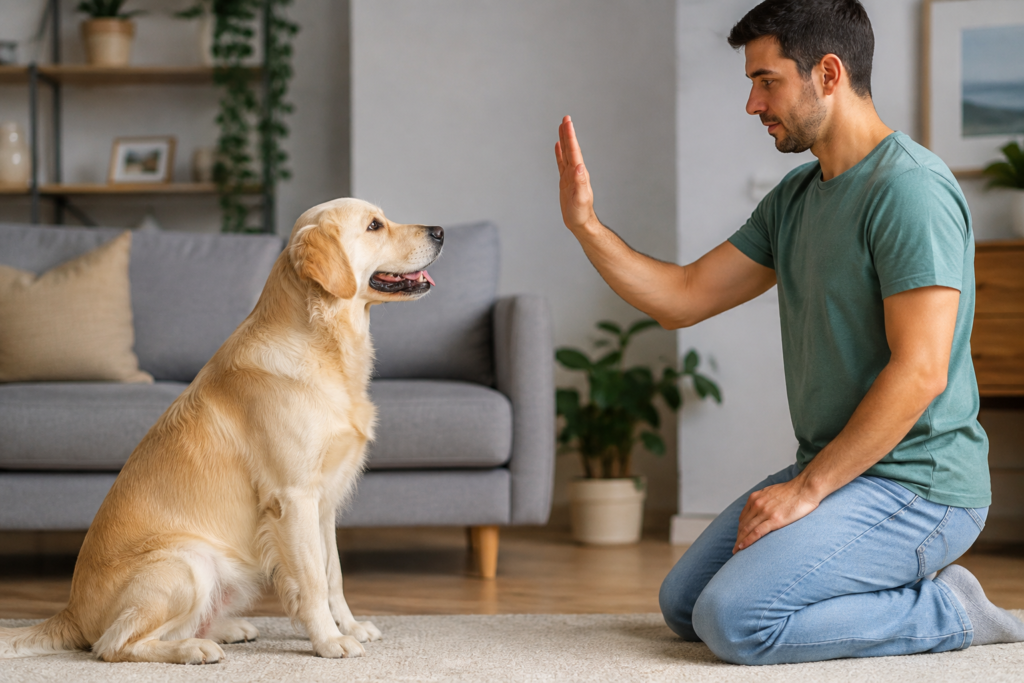
Dog Care Tip #12: Train With Consistency and Positive Reinforcement
Training is not just about obedience.
It helps dogs understand what their owners expect and can make everyday life safer and easier.
Useful behaviors include:
- Sit
- Stay
- Come
- Leave it
- Wait
- Drop it
- Loose-leash walking
- Reliable recall
Keep training sessions short and consistent.
Reward desired behaviors appropriately and avoid creating fear or confusion.
For serious aggression, severe anxiety, or other concerning behavioral problems, speak with your veterinarian about getting help from a qualified behavior professional.
Dog Care Tip #13: Give Your Dog Enough Rest
Exercise and stimulation are important, but dogs also need plenty of sleep and quiet time.
Provide a comfortable resting area where your dog can relax without being constantly disturbed.
Puppies may sleep for long periods while growing, and senior dogs may also require additional rest.
Make sure children understand that a sleeping dog should not be disturbed unnecessarily.
A dog that suddenly sleeps dramatically more or appears unable to settle can sometimes be experiencing pain or illness, particularly when the change is accompanied by other symptoms.
Dog Care Tip #14: Make Your Home Safe
Dogs naturally explore their environment, so household safety is essential.
Keep potentially dangerous substances out of reach, including:
- Human medications
- Cleaning products
- Certain foods
- Chemicals
- Pest-control products
- Small objects
- Electrical cables
- Certain plants
Do not assume that something is safe simply because it is labeled “natural.”
The ASPCA provides resources on household substances that can be dangerous to pets.
Keep doors, windows, balconies, swimming pools, and other potential escape or accident points secure.
Dog Care Tip #15: Prepare for Veterinary Emergencies
Every responsible dog owner should have an emergency plan.
Keep the following information easily accessible:
- Regular veterinarian’s phone number
- Emergency veterinary clinic
- Vaccination records
- Medication information
- Microchip information
- Pet insurance information, if applicable
It is also useful to know where your nearest emergency veterinary hospital is located before an emergency happens.
If your dog experiences severe difficulty breathing, collapse, uncontrolled bleeding, suspected poisoning, severe trauma, or another potentially life-threatening emergency, seek veterinary care immediately.
For questions about whether pet insurance is worth it, compare the coverage, exclusions, deductibles, reimbursement rules, waiting periods, and limits rather than looking only at the monthly premium.
Dog Care by Life Stage
Your dog’s needs change throughout life.
Puppy Care
Puppies require special attention to:
- Nutrition
- Vaccination
- Socialization
- House training
- Basic obedience
- Safe exploration
- Parasite prevention
- Sleep
Early positive experiences can help puppies develop into confident adult dogs.
Adult Dog Care
Adult dogs generally need:
- Balanced nutrition
- Regular exercise
- Mental stimulation
- Dental care
- Grooming
- Preventive veterinary care
- Parasite prevention
- Weight management
Their needs can vary considerably according to breed, lifestyle, and health.
Senior Dog Care
Senior dogs may need additional attention to:
- Mobility
- Weight
- Dental health
- Cognitive changes
- Chronic health conditions
- Exercise tolerance
- Veterinary monitoring
A change in mobility, appetite, behavior, or energy should not automatically be dismissed as “just old age.”
Talk to your veterinarian when you notice meaningful changes.
A Simple Daily Dog Care Routine
A practical routine can help you stay consistent.
Morning
- Provide fresh water
- Feed breakfast
- Give your dog a bathroom break
- Take a walk or provide appropriate exercise
- Check your dog’s general behavior
Afternoon
- Bathroom break
- Mental stimulation
- Short training session
- Rest
- Refresh water if necessary
Evening
- Exercise or play
- Dinner
- Enrichment or training
- Bathroom break
- Quiet time and rest
This routine should be adjusted according to your dog’s age, health, exercise requirements, and lifestyle.
How to Keep Your Dog Healthy and Happy
Good dog care is not about doing everything perfectly.
It is about consistently meeting your dog’s basic physical and emotional needs.
Provide appropriate nutrition, clean water, exercise, enrichment, grooming, dental care, training, preventive veterinary care, and a safe home.
Just as importantly, learn your dog’s normal behavior.
When you know what is normal for your pet, you are more likely to notice when something changes.
Dog Care Tips for a Clean Home
Good pet care also includes maintaining a clean living environment.
Regularly wash:
- Food and water bowls
- Bedding
- Blankets
- Toys
- Crates
- Frequently used areas
If your dog has an accident indoors, clean it promptly and thoroughly.
You can also read our guide on how to remove pet stains naturally for practical cleaning methods.
If loose hair is becoming a problem, see our guide on how to remove pet hair from carpet.
Frequently Asked Questions About Dog Care
How do I take care of a dog properly?
Proper dog care includes balanced nutrition, fresh water, regular exercise, mental stimulation, grooming, dental care, training, preventive veterinary care, parasite prevention, identification, and a safe environment.
What does a dog need every day?
Most dogs need appropriate food, fresh water, bathroom opportunities, physical activity, mental stimulation, rest, social interaction, and a safe environment. The exact amount depends on the individual dog.
How often should a dog see a veterinarian?
There is no single schedule for every dog. Age, health, lifestyle, and individual risk factors influence how frequently veterinary visits are appropriate. Your veterinarian can recommend a preventive-care schedule.
How can I keep my dog happy indoors?
Try interactive toys, food puzzles, scent games, training sessions, indoor play, and opportunities to spend quality time together.
How do I know if my dog is healthy?
Normal appetite, energy, behavior, mobility, bathroom habits, and appearance can provide useful clues, but they cannot replace professional veterinary examinations.
Is pet insurance worth it for a dog?
It depends on your financial situation, your dog’s health and age, and the policy available to you. Compare premiums, deductibles, reimbursement percentages, exclusions, waiting periods, and coverage limits before deciding.
Read our complete guide to whether pet insurance is worth it for more information.
Final Thoughts
The best dog care routine is one that you can maintain consistently.
Feed your dog appropriately, provide fresh water, exercise and mental stimulation, maintain grooming and dental care, keep preventive veterinary care up to date, and create a safe environment.
Most importantly, pay attention to changes in your dog’s normal behavior.
Small daily habits can make a meaningful difference to your dog’s health, comfort, and quality of life.
Sources and Further Reading
- AAHA/AVMA Preventive Healthcare Guidelines
- AAHA Canine Life Stage Guidelines
- AAHA Canine Vaccination Guidelines
- AAHA Dog Wellness and Veterinary Visit Guidance
- ASPCA Animal Poison Control and Pet Safety Resources
Medical disclaimer: This article is intended for general educational purposes only. It does not diagnose, treat, or prevent any medical condition. Always consult a qualified veterinarian for advice specific to your dog.