On this page
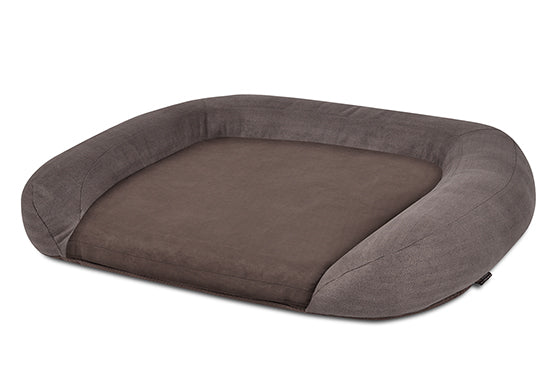
Dog beds are one of those products that look simple until you try to choose one. Shape, filling, cover fabric, edge height, cleaning instructions, and usable sleeping area can matter more than the pattern or color you notice first.
Affiliate disclosure: ANIMOX may earn a commission when you purchase through eligible product links, at no additional cost to you.
This guide compares eight beds currently listed on ANIMOX. We have not hands-on tested them. Product details are based on the information supplied to our catalog, so check the merchant listing for the latest dimensions, care instructions, colors, and availability.
What makes a dog bed a good fit?
Start with how your dog actually sleeps. Dogs that curl up may prefer raised edges or a nest-like shape. Dogs that stretch out often need more uninterrupted surface area. Older or heavier dogs may benefit from more supportive filling, but do not assume every thick bed is orthopedic unless the manufacturer actually says so.
Then check cleaning. A removable washable cover can be more useful over time than an extra inch of padding, especially for a bed used every day.
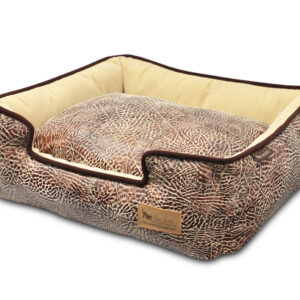
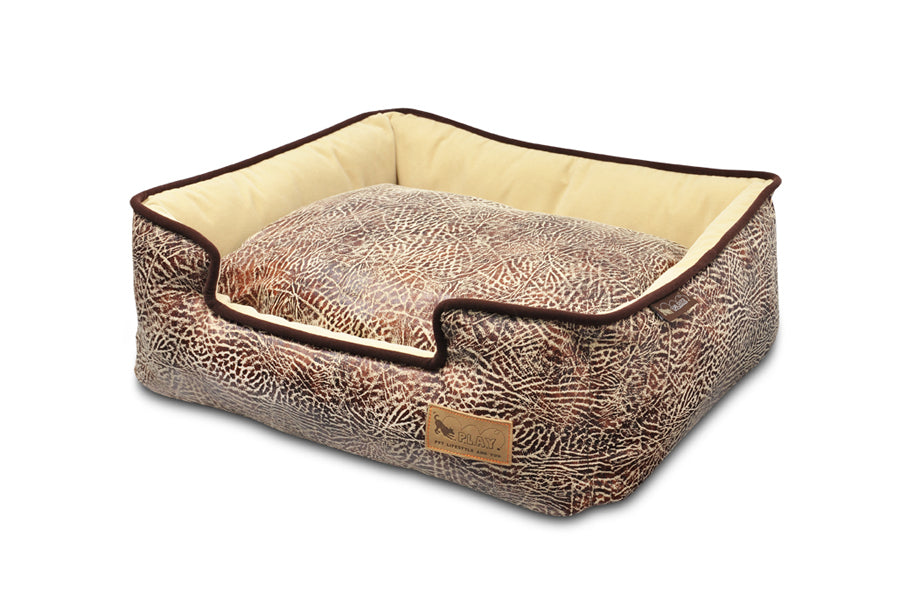
1. Savannah Lounge Bed
The Savannah Lounge Bed is a large lounge-style bed with raised edges and a more furniture-like shape.
It may suit dogs that like to lean against a side while resting. Before buying, compare the interior sleeping area with your dog’s normal resting position rather than relying only on the outside dimensions.
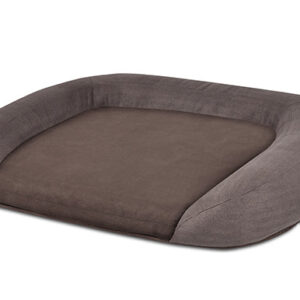
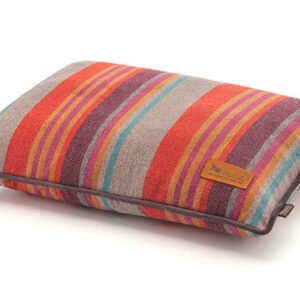
2. California Dreaming Memory Foam Bed
The California Dreaming Memory Foam Bed is the clearest support-focused option in this group because the product title specifically identifies memory foam.
Memory foam can be attractive for owners looking for firmer support, but check foam thickness, cover construction, washing instructions, and whether replacement covers are available.
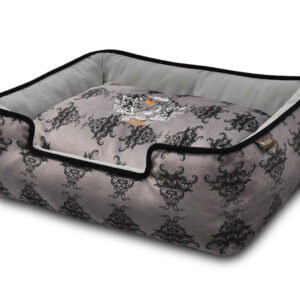
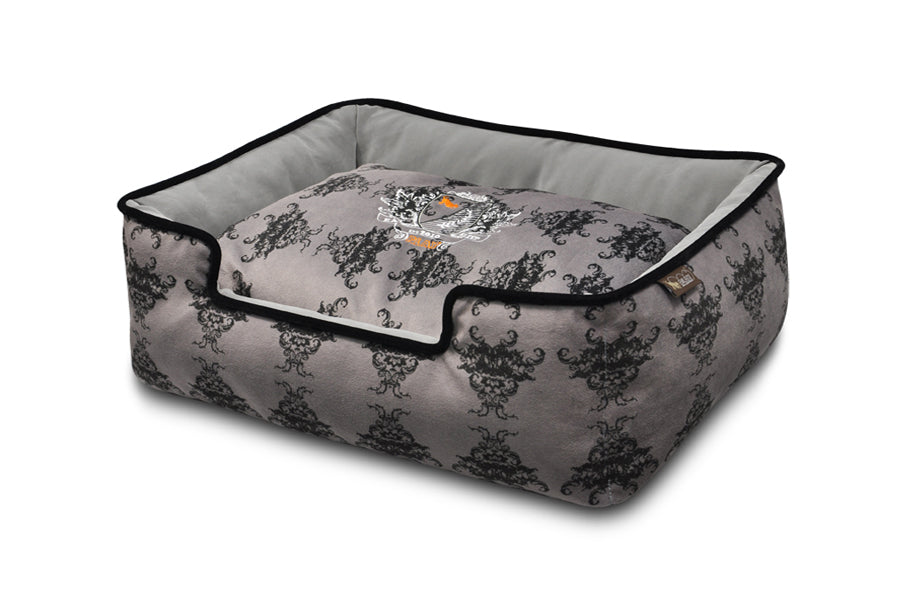
3. Royal Crest Lounge Bed
The Royal Crest Lounge Bed is an XL option for dogs that need more room while still getting the raised-edge feel of a lounge bed.
For large beds, measure the actual floor space available at home as well as your dog. An XL bed can take up more room than expected once the side bolsters are included.
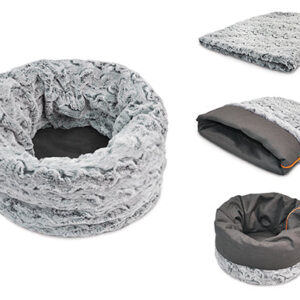
4. Snuggle Bed XL
The Snuggle Bed XL is another large format and is useful to compare with the more structured lounge beds.
Think about whether your dog prefers a flatter sleep surface or something more enclosed. That preference often matters more than choosing the bed with the most padding.
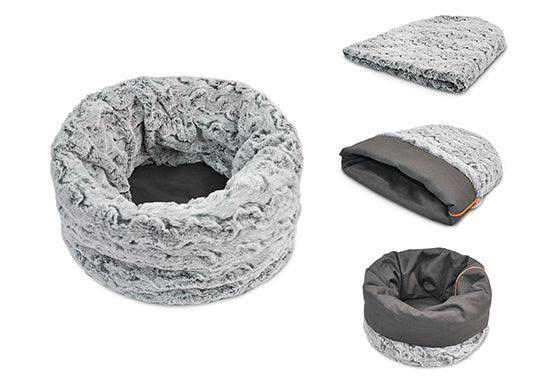
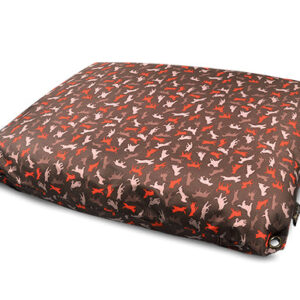
5. Scout & About Outdoor Bed
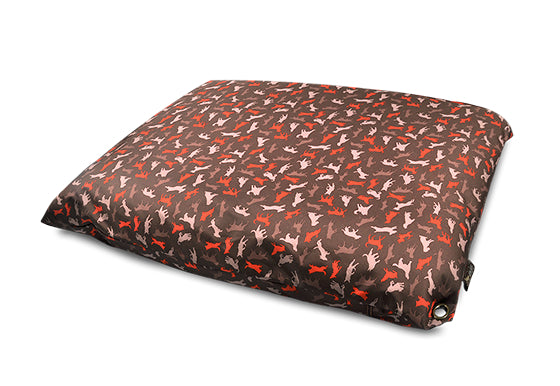
The Scout & About Outdoor Bed is designed around outdoor use rather than a purely indoor lounge setup.
That makes fabric care, moisture resistance, drying time, and portability more important than they would be with a living-room bed.
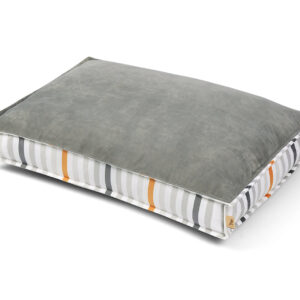
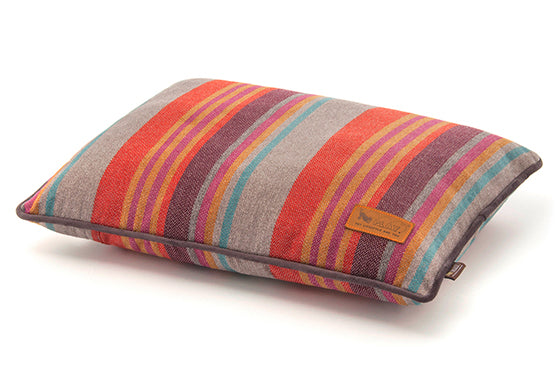
6. Horizon Pillow Bed
The Horizon Pillow Bed uses a simpler pillow-style format without the same raised edges as a lounge bed.
This can work well for dogs that like to sprawl. Check whether the fill shifts over time and whether the cover can be removed easily for washing.
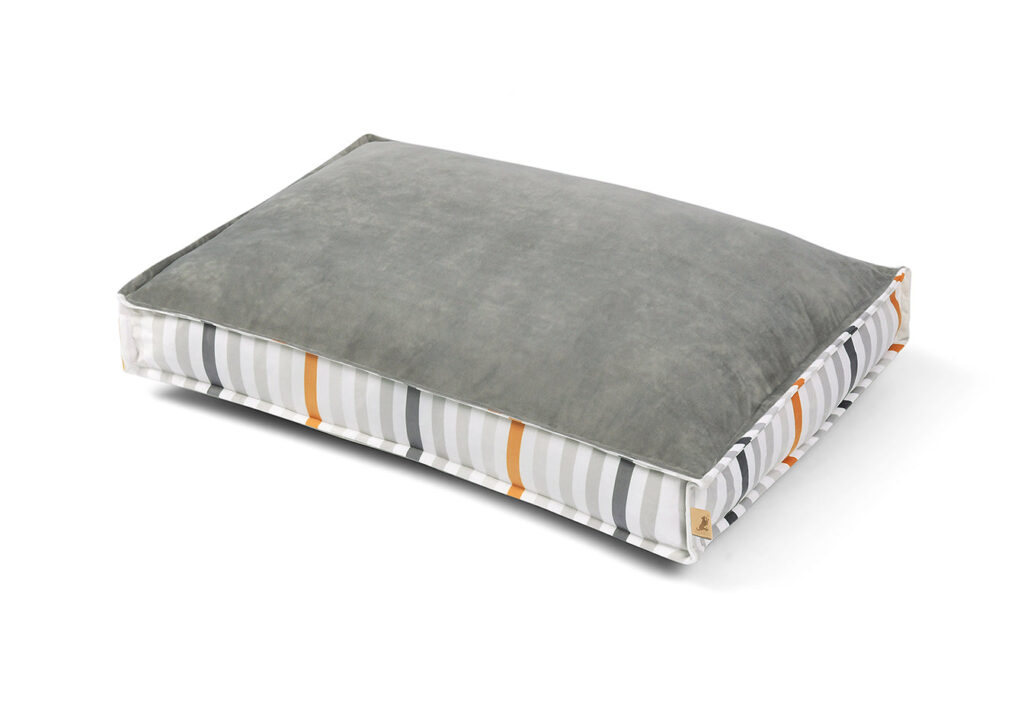
7. Seaside Boxy Bed
The Seaside Boxy Bed has a more structured box-style profile.
For beds with higher sides, doorway height can matter for small, older, or less mobile dogs. Make sure your dog can step in and out comfortably.
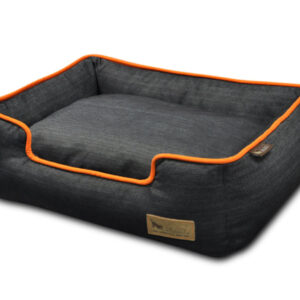
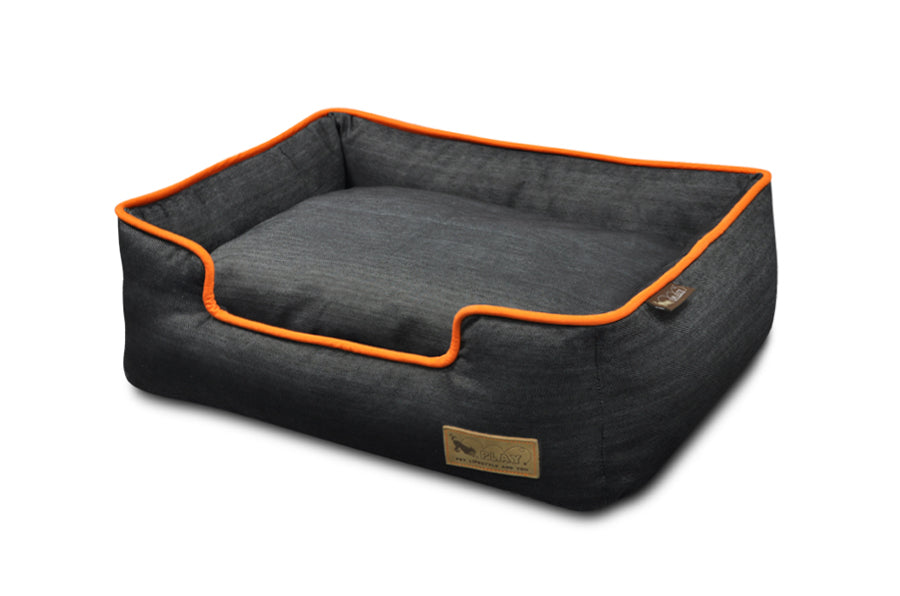
8. Urban Denim Lounge Bed
The Urban Denim Lounge Bed is another XL lounge option with a distinct fabric style.
With decorative fabrics, care instructions matter. Check whether the outer cover is removable and whether washing affects the finish or shape.
How to choose between lounge, pillow, outdoor, and memory-foam beds
Lounge beds are often a good match for curlers and dogs that like to lean against something. Pillow beds offer more open sleeping space. Outdoor beds prioritize durable, practical materials. Memory-foam beds are the category to investigate when support is a priority.
Those categories can overlap, so read the individual specifications rather than choosing based on the marketing name alone.
Do you need an orthopedic bed?
Possibly, but this is one area where labels matter. “Memory foam” and “orthopedic” are not automatically interchangeable. If you specifically want an orthopedic bed, look for a manufacturer claim that identifies the support construction and then verify the foam layers, thickness, and intended use.
You can browse the full Dog Beds hub to compare more options currently available on ANIMOX.
Two beds can serve two different jobs
Some households use one supportive bed for overnight sleep and a second washable or outdoor-oriented bed for daytime use. That can make sense when the dog moves between rooms, travels frequently, or spends supervised time on a patio.
It does not mean every dog needs multiple beds. The point is that “best dog bed” depends on context. A premium memory-foam bed and a portable outdoor bed solve different problems even if both are comfortable.
Checking a new bed during the return period
Let compressed foam expand according to the manufacturer’s instructions, inspect seams and zippers, and place the bed on the surface where it will actually be used. Watch whether the dog can enter easily, whether the base slides, and whether the sleeping area is large enough.
If the dog consistently avoids the bed, consider the location and shape before assuming the product itself is poor. Moving it away from a busy doorway or switching from a high-bolster design to a flatter style can make a difference.
Dog bed comparison table
| Bed | Style | Useful for | What to check |
|---|---|---|---|
| Savannah Lounge Bed | Bolstered lounge | Dogs that curl or lean | Interior sleeping area |
| California Dreaming | Memory foam | Support-focused buyers | Foam thickness and cover care |
| Royal Crest Lounge Bed | XL lounge | Larger dogs | Floor footprint and center space |
| Snuggle Bed XL | Nest-style / convertible | Dogs that like enclosed comfort | Entry and cleaning |
| Scout & About | Outdoor bed | Patio, travel, outdoor lounging | Drying time and fabric care |
Measure the way your dog actually sleeps
Body length is a useful starting point, but sleeping position tells you more. Dogs that curl tightly may be comfortable in a smaller bolstered shape, while side sleepers that stretch their legs need more uninterrupted flat space.
Measure your dog during a normal nap and add some room for changing position. Then compare that number with the usable center of the bed. Raised sides can make an XL model look huge while reducing the flat area in the middle.
Support is more than the word plush
Very soft filling is not automatically more supportive. Fiber, memory foam, and other foam constructions compress differently. If support matters, look for actual material layers and thickness rather than marketing words such as “premium” or “luxury.”
For heavier dogs, the bed should resist bottoming out against the floor. For lighter dogs, very thick firm foam may be unnecessary.
Foam thickness and dog weight
A thick layer of low-density foam can compress more than a thinner but firmer construction. Product pages do not always provide foam density, so thickness alone is not proof of support.
If your dog is heavy, look for clear construction details and any manufacturer weight guidance.
Washability can matter more than style
Dog beds collect hair, dust, saliva, and dirt from paws. A removable washable cover can therefore be more valuable in daily life than a decorative finish. Check whether the cover comes off, whether the insert can be washed, and how long the materials take to dry.
Replacement covers are worth considering on more expensive beds because they can extend the useful life of the filling.
Outdoor beds need a different checklist
The Scout & About Outdoor Bed shows why outdoor products should be judged differently. Fabric durability, moisture handling, portability, and drying time may matter more than deep bolsters.
Outdoor does not mean the bed should remain permanently exposed to rain. Follow the care instructions and store it when needed.
Bolsters and mobility
Raised edges can give a dog somewhere to rest its head and may make the bed feel secure. They also create a step. Older dogs or dogs with reduced mobility may prefer a lower front opening.
Look at the entry shape, not only the overall height. This small detail can matter more in daily use than a premium fabric pattern.
What about puppies and chewers?
Soft beds can be tempting chew targets. For puppies or dogs that regularly tear fabric, supervision matters and a removable cover is not the same as chew-proof construction. Loose foam or filling should not be accessible to a dog that may ingest it.
Where should the bed go?
Dogs often use a bed more consistently when it sits where they already like to rest. A quiet bedroom corner may suit overnight sleep, while a living-room bed lets a social dog stay near the family.
On hard floors, check whether the base slides. Measure your own room too: XL lounge beds can take up more floor space than expected.
How we selected these dog beds
The current ANIMOX catalog includes lounge beds, a clear memory-foam model, an outdoor bed, pillow shapes, and more structured designs. We used that variety so the guide reflects different sleeping preferences instead of ranking products that differ mainly by color.
We have not hands-on tested these dog beds, and merchant star ratings are not presented as ANIMOX customer reviews. For an independent overview of bed sizing, support, and different bed types, the American Kennel Club’s guide to choosing a dog bed provides useful additional context.
FAQ: choosing a dog bed
Is memory foam better for older dogs?
It can be one support option, but the right choice depends on the dog, foam thickness, ease of entry, and any individual mobility or health needs.
Should a dog bed have raised sides?
Raised sides suit many curlers and dogs that like to lean. Dogs that stretch out or have difficulty stepping over bolsters may prefer a flatter design.
How do I choose between medium, large, and XL?
Use the manufacturer’s actual dimensions and compare them with your dog’s sleeping footprint. Size labels are not standardized across brands.
When should a dog bed be replaced?
Replace or repair it when filling no longer supports the dog, seams fail, the cover cannot be kept hygienic, or damage creates a safety problem.
Before you order
- Measure your dog in a normal sleeping position.
- Compare usable sleeping space, not just overall dimensions.
- Check cover and insert washing instructions.
- Look at floor grip if the bed will sit on tile or hardwood.
- Confirm materials, current price, size availability, and return terms with the merchant.
A bed does not need to be complicated to work well. The best choice is usually the one that matches how your dog sleeps and is realistic for you to keep clean.