On this page
This temporary ANIMOX article exists only to check the Single Article layout. It offers general buying considerations, not a personal product test or a recommendation. Check current product listings, dimensions, assembly instructions and care guidance before making a decision.
Why Insulation Matters
Insulation can slow the transfer of heat through a dog house, but it cannot maintain a safe interior temperature by itself. The roof, walls, floor and entrance all matter. A structure advertised as insulated may cover only some surfaces, so read the manufacturer description closely. Look for a clear explanation of what is included in the standard package and what is sold separately. A drafty entrance, damp bedding or an exposed site can offset the benefit of insulating material. Dogs still need appropriate supervision and access to safer shelter when conditions are severe.
Think about insulation together with the climate and the dog. Coat, age, size, health and tolerance of weather differ between animals. A dog house should be one part of a wider care plan, not a substitute for access to suitable indoor space. Check local weather guidance and speak with a veterinarian when an individual dog has special needs.
Choosing the Right Size
A dog house needs enough usable interior space for the dog to enter, turn around and rest comfortably. Exterior measurements can make a product look roomier than the actual interior. Compare the internal floor dimensions, doorway opening and ceiling height with the dog measurements. If the manufacturer gives only exterior dimensions, seek an interior diagram or ask the seller. A large unused interior may be harder to keep comfortable in cold weather, while an undersized house restricts movement.
Measure Your Dog
Measure while the dog is standing and lying in a natural position. Record approximate shoulder height, body length and the space needed to turn. Leave a practical margin for movement and bedding. Recheck measurements for a growing dog. Size charts are starting points rather than guarantees because dogs with similar weight can have different proportions.
Interior Space
Review the position of the door, raised floor and any internal partition. These can reduce usable space even when the overall footprint is generous. Bedding should fit without blocking the entrance or ventilation. A removable floor or roof may make routine inspection easier. Confirm that your dog can use the entrance comfortably before relying on the house as a regular shelter.
Materials and Weather Protection
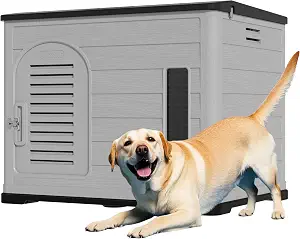
Material choice affects maintenance, weight and exposure to moisture. Wood, plastic and composite structures each have different cleaning and assembly requirements. Compare the stated weather protection, roof drainage, floor elevation and fit of seams. Weather resistant does not mean waterproof in every location. Follow the product instructions for treatment, placement and routine inspection.
Check how the roof sheds rain and whether water can pool near the entrance. A stable raised base may reduce contact with wet ground. Inspect corners, fasteners and any insulation panels for gaps after assembly. Replace damaged parts according to the manufacturer instructions. Avoid adding materials that the maker has not approved, especially near electrical components.
Heating and Cold-Weather Features
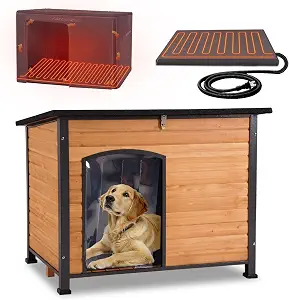
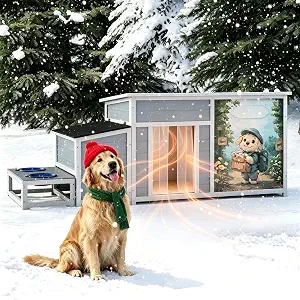
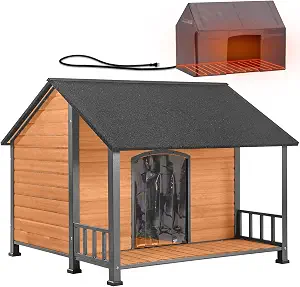
Some insulated houses are sold with heating equipment, while others only allow an optional accessory. Verify exactly what comes in the box. If electrical heat is involved, read the power, placement and safety instructions before use. Keep cords protected and follow local electrical safety advice. Do not assume a heated product will be suitable for every dog or every outdoor temperature.
Where bedding is used, choose materials that can stay dry and be cleaned. Inspect it frequently. Cold-weather care also depends on access to fresh water and regular checks of the dog. A product listing cannot replace individual judgment about weather, health and supervision.
Placement and Ventilation
Place a dog house on a stable, well-drained surface. Consider the direction of prevailing wind, direct sun and runoff from nearby roofs. Shade and airflow are important during warm weather even for an insulated structure. Keep the entrance accessible and make sure the dog can leave freely. A house placed behind obstacles or in standing water will be harder to use and maintain.
Ventilation should be considered together with weather protection. Completely blocking openings may trap moisture, while a large unprotected opening can expose the interior to wind. Follow the maker guidance rather than sealing vents on your own. Inspect the interior regularly for condensation, dampness or damage.
When comparing listings, make a short checklist rather than relying on a product name. Note the verified interior dimensions, doorway size, materials, included insulation, floor design, roof access, ventilation openings, cleaning method and assembly requirements. Keep the checklist next to the current seller information because a listing can change over time. If a feature is unclear, treat it as unknown until the manufacturer confirms it. This is especially important for optional liners, doors and heating accessories. A product image may show an accessory that is not in the standard package. Check the exact model and variant before comparing prices or selecting a size.
Plan for day-to-day use as well as initial purchase. The location should remain reachable for cleaning and inspection in different seasons. Watch how the dog responds to the space without forcing use, and keep alternative suitable shelter available. Revisit the setup when the weather changes or the dog grows. A comfortable, dry resting place depends on placement, maintenance and supervision as much as on the construction of the house itself.
Frequently Asked Questions
Is an insulated dog house enough in freezing conditions?
No product alone can guarantee a safe temperature for every dog. Follow appropriate care advice for the animal and the actual weather. Provide access to suitable indoor shelter when conditions or the dog needs require it.
Should I choose a heated model?
Compare the exact included components and safety instructions. Heating equipment requires careful setup and monitoring. A model without electrical heat may be preferable in some settings, but the choice depends on the dog, climate and installation conditions.
How often should I check the house?
Check the structure, bedding and surrounding ground routinely, and more often during severe weather. Clean soiled areas and follow the maker maintenance instructions. Address loose fittings or wet insulation promptly.
For this template test, the linked WooCommerce products are references only. Prices, availability, ratings and affiliate destinations remain controlled by their current product records. This article does not assert that ANIMOX has physically tested any of them.